CALL US TODAY! (225) 647-2747

CAREER OPPORTUNITIES 

What Is an NACE Coating Inspector?

What Is an NACE Coating Inspector?

In industrial environments and applications, every lining and coating must perform under extreme conditions. The quality of the protection often comes down to one critical factor: inspection. That’s where an NACE (National Association of Corrosion Engineers, now merged with AMPP) coating inspector comes in. 

These certified professionals — now credentialed through AMPP (Association for Materials Protection and Performance) — are highly trained to evaluate and verify protective coatings and linings, making sure they meet the strict standards required for long-term performance. 

For industries relying on rubber lining to safeguard tanks, pipes, and vessels, the involvement of a NACE-certified inspector can mean the difference between years of reliable protection and premature system failure

The Role of an NACE Inspector

An NACE inspector specializes in ensuring coatings and linings are properly applied and fully compliant with industry standards. This can include paint, coatings, and linings (like rubber lining). 

NACE inspectors are trained to: 

  • Evaluate surface preparation before any lining is applied
  • Monitor environmental conditions that affect adhesion and curing
  • Oversee the installation process to verify compliance with industry standards
  • Conduct final quality inspections before equipment starts (or returns to) service

By maintaining a watchful eye at every stage, NACE inspectors help prevent costly errors and ensure long-term coating durability.

Why NACE Coating Inspectors Are a Critical Part of Rubber Lining Installation

Rubber lining provides protection for industrial equipment exposed to chemicals, abrasion, and corrosion. It’s a solid material, but even the best materials can fail if the installation process is compromised. That’s why NACE coating inspectors are so important in the process. 

Their expertise directly impacts project outcomes in several ways: 

  • Surface preparation checks – Rubber lining requires clean, properly prepared surfaces for maximum adhesion. Inspectors verify that blasting or cleaning has been completed to the appropriate degree.
  • Environmental condition monitoring – Factors like temperature, humidity, and dew point can dramatically influence curing and adhesion. NACE inspectors monitor conditions to ensure they fall within acceptable ranges.
  • Quality assurance during application – Inspectors confirm the rubber lining is applied according to specifications, reducing the risk of bubbles, voids, or weak spots. 
  • Final quality inspections – Before the equipment goes into service, inspectors conduct detailed examinations to verify compliance and performance expectations.

Without these measures, the lifespan of a rubber lining system could be reduced and lead to unplanned downtime, costly repairs, or even safety risks.

Compliance with Industry Standards

We’ve mentioned the term “industry standards” throughout this article. To add some clarity, industries like chemical processing, water treatment, mining, and power generation all have their own set of regulatory and operational standards. NACE-certified inspectors ensure projects comply not only with a client’s specifications but also with the recognized global standards for protective coatings and linings within the respective industry. Their certification through AMPP represents a high level of training and competency. 

NACE Certification at US RUBBER

At US RUBBER, safety and quality are the foundation of every project. That’s why our rubber lining specialists are NACE-certified inspectors. From initial surface preparation to final inspection, our team adheres to NACE-certified practices and provides our clients with durable, reliable linings designed to withstand the toughest industrial environments. 

If you’re in need of a rubber lining solution for your industrial project, contact our team for more information.
An Inside Look at Our Rubber Lining Procedure

An Inside Look at Our Rubber Lining Procedure

Rubber lining’s effectiveness isn’t just about the material itself; it’s about the way it’s applied to ensure it lasts. At US RUBBER, our rubber lining procedure is designed to deliver maximum durability and performance through a carefully controlled, step-by-step process. 

How Our Rubber Lining Procedure Works

From surface preparation and material selection to application, curing, and inspection, every stage is executed with precision. Our focus on safety, environmental controls, and rigorous quality standards ensures each project meets the highest benchmarks for long-term reliability. 

Step 1: Surface Preparation

The first step in a successful rubber lining procedure is to prepare the surface. All substrates must be free of dirt, grease, mill scale, rust, and old coatings to ensure proper adhesion. Depending on the project, this may involve abrasive blasting, grinding, and/or chemical cleaning.

During surface preparation, it’s important to maintain a clean, dust-free environment. Any contaminants that settle on the surface of the substrate can affect bonding and adhesion.

Step 2: Material Selection

Not all rubber linings are the same. Different industrial environments and applications require different rubber compounds. Material choice usually depends on these factors: 

  • Chemical resistance: Protection against acids, alkalis, or solvents
  • Temperature tolerance: Ability to withstand thermal cycling
  • Abrasion resistance: Durability in slurry or high-friction environments
  • Flexibility: Adaptability to complex geometries or movement
  • Service life expectations: Matching compound properties to long-term performance needs

Our team evaluates each project individually, selecting from a range of great rubber lining materials to match the specific needs of the application, whether it be for tanks, vessels, or piping systems.

Step 3: Application of the Rubber Lining

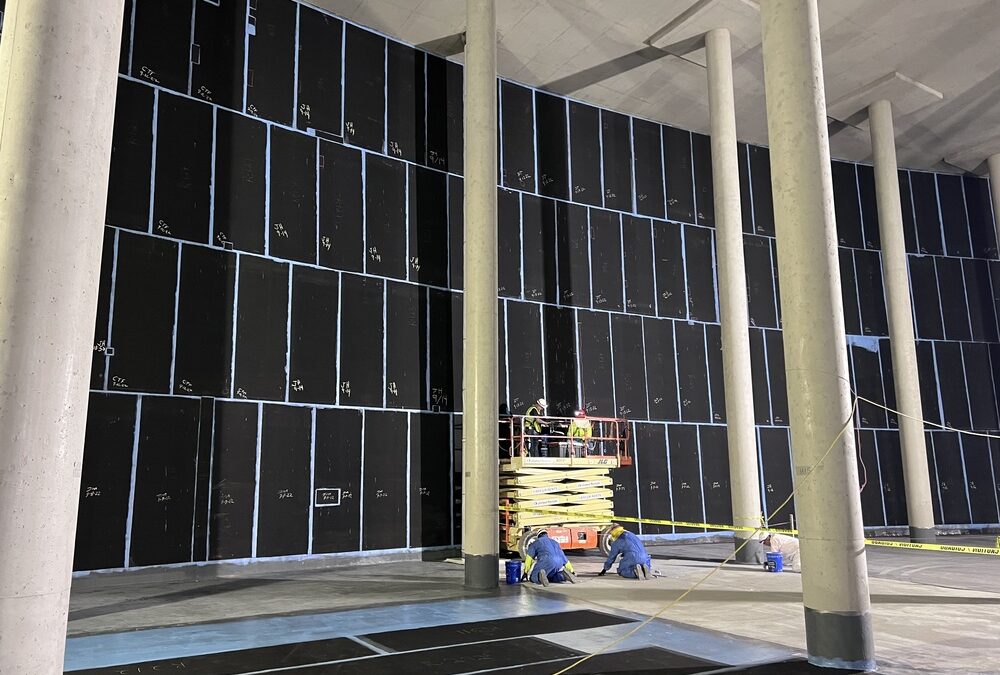
With the substrate prepared and materials selected, the rubber lining is carefully applied. Depending on specific project requirements, linings may be hand-applied, sheet-applied, or formed to fit complex geometries. 

During application, our technicians follow strict safety protocols and environmental controls. The rubber is positioned, bonded, and rolled out to eliminate air pockets and ensure complete contact with the substrate. 

The precision at this stage is incredibly important because any gaps or misalignment could compromise the lining’s integrity and performance.

Step 4: Curing the Rubber Lining

After application, the lining undergoes curing, which activates the rubber’s chemical properties and locks in its strength and flexibility. Curing can be done through stream, autoclave, or other controlled heating methods, depending on the material and equipment. 

Temperature and time are carefully monitored during curing so that the rubber fully bonds to the substrate and develops the mechanical and chemical resistance needed to withstand industrial conditions. At US RUBBER, we never rush the curing process because we believe quality takes precedence over speed. It will save you time and money in the long run, after all. 

Step 5: Inspection and Testing

No rubber lining procedure is complete without a thorough inspection. After curing, the lining undergoes a series of tests to confirm proper adhesion, thickness, and overall integrity. 

Here are some common inspection and testing methods. 


Test Method Purpose When Used
Spark Testing Detects pinholes or weak spots Post-curing, before service
Ultrasonic Testing Measures lining thickness During final inspection
Visual Examination Ensures uniform coverage and integrity Throughout entire installation
Adhesion Testing Confirms bond strength to substrate Final quality verification


These tests verify that the lining meets performance requirements and will deliver long-term protection. Only after passing all inspections is equipment cleared for service.

Safety and Quality at Every Stage

Throughout each phase of the rubber lining procedure, we prioritize safety and quality. Environmental controls protect both the workers and the finished lining, while rigorous inspections ensure reliable adhesion and durability. By following industry best practices and our own safety and quality standards, we deliver solutions that minimize downtime and extend the operational life of critical assets

Get Expert Rubber Lining Installation From US RUBBER

A successful rubber lining installation is the result of precision, planning, and strict quality control. At US RUBBER, our commitment to safety and quality ensures that every project is completed to the highest standards, providing long-term protection against corrosion, abrasion, and chemical attacks. 


If your facility needs tank, vessel, or piping protection, trust us to deliver proven solutions. Contact our team to learn more about our rubber lining services and how we can help you extend the lifespan of your equipment.

How Weather and Climate Impact Industrial Rubber Lining Longevity

How Weather and Climate Impact Industrial Rubber Lining Longevity

Industrial rubber lining is engineered to protect tanks, pipes, and process equipment from corrosion. Its internal performance is typically well accounted for, but external conditions like weather and climate can also affect its longevity. 

From UV radiation and extreme heat to humidity and freeze/thaw cycles, the environment surrounding your facility can accelerate wear, reduce elasticity, or even cause early failure in rubber-lined systems. Here’s what you need to know, and how you can counteract mother nature’s toll on your equipment. 

The Role of Rubber Lining in Harsh Environments

Rubber linings are commonly used in industries like mining, chemical processing, water treatment, and power generation. These linings are engineered to withstand these industries’ harsh exposure, but their performance can be compromised when subjected to intense weather-related stress, particularly in outdoor applications.

Environmental stress can cause:

  • Hardening or embrittlement of the rubber
  • Surface cracking or crazing
  • Loss of flexibility and elasticity
  • Delamination or debonding from the substrate
  • Accelerated wear and tear

Over time, these effects can reduce containment integrity, increase the risk of leaks, and shorten the overall lifespan of the lining.

Top 4 Weather Conditions That Impact Rubber Lining

These environmental conditions can lead to premature failure of industrial rubber linings if no special prohibitive measures are in place. 

1. Extreme Temperatures

Rubber materials are sensitive to temperature fluctuations. High heat can accelerate oxidative degradation, causing the rubber to harden and lose flexibility. In colder climates, rubber becomes more brittle and prone to cracking.

  • At high temperatures (above 140°F/60°C), most rubber compounds begin to lose mechanical strength.
  • In freezing conditions, rubber can shrink and crack, especially if moisture is present in or beneath the lining.

Selecting rubber compounds rated for the expected temperature range is essential for maintaining performance. For example, EPDM (ethylene propylene diene monomer) rubber performs well in both hot and cold conditions, while natural rubber is less tolerant of heat and UV.

2. UV Exposure

Ultraviolet radiation from the sun can break down molecular bonds in rubber, a process known as UV degradation. Over time, this leads to fading, discoloration, surface chalking, powdering, microcracking, and/or hardening.

Rubbers like chlorobutyl and EPDM offer superior resistance to UV degradation. In high-exposure environments, adding a UV-resistant topcoat or paint layer can significantly extend the life of the lining.

3. Humidity and Moisture

High humidity accelerates the aging process of rubber and promotes the growth of mold, algae, or microbial contamination under the lining. Moisture ingress can also weaken the adhesive bond between the rubber and substrate.

In tropical or coastal climates, where humidity is consistently high, it’s important to:

  • Use closed-cell rubber linings to limit water absorption
  • Seal all edges and seams properly during installation
  • Conduct routine inspections to detect bubbling or debonding

4. Freeze/Thaw Cycles

Regions that experience frequent freeze/thaw cycles pose a unique challenge. Water that penetrates under the lining or into surface imperfections can expand as it freezes, exerting pressure that leads to cracking or spalling of the rubber.

This cycle of freezing and thawing repeatedly stresses the lining system, often causing failure over time unless proactive measures are taken.

How to Avoid Weather Damage to Industrial Rubber Lining

You can’t control the weather, but you can take several steps to prolong the lifespan of rubber-lined assets amidst harsh conditions. 

Choose the Right Rubber Compound

Select a rubber formulation designed to withstand the local climate. For example, EPDM or butyl rubber are typically ideal for outdoor use due to their UV, ozone, and temperature resistance.

Use Protective Coatings or Topcoats

Adding an external protective coating (like polyurethane or UV-resistant paint) can shield the rubber from sunlight and weather. These coatings also help resist mechanical abrasion and chemical attack.

Implement Regular Inspection and Maintenance

Routine visual inspections and spark testing can identify early signs of wear, cracking, or debonding. Inspections should be more frequent in climates with extreme temperatures or high moisture.

Avoid Water Traps and Promote Drainage

Ensure that the design of the tank or equipment promotes proper drainage. Pooled water or trapped moisture increases the risk of freeze/thaw damage and microbial growth.

Control Storage and Application Conditions

During rubber lining installation, temperature and humidity levels must be controlled to ensure proper bonding and curing. In-field repairs should be scheduled during favorable weather windows to avoid curing failures.

We’ll Help you Plan for Longevity, Regardless of Climate

Rubber linings are a reliable, long-term protective solution for industrial equipment, but only when matched to their environment. By understanding the threats and implementing smart strategies like proper material selection, protective coatings, and proactive maintenance, we can help you extend the life of your rubber-lined equipment.

Get started by contacting us for a consultation.

Total Cost of Ownership: Rubber Lining vs. Tank Replacement

Total Cost of Ownership: Rubber Lining vs. Tank Replacement

When it comes to protecting industrial tanks, you have options. Some facilities install rubber lining from day one to protect against corrosion or chemical attacks. Others look into lining later, when a tank starts showing signs of wear. Either way, one question always comes up when maintenance is due: Is it more cost-effective to line (or reline) the tank or just replace it?

The answer isn’t always obvious. Sure, a brand-new tank sounds nice, but it comes with a hefty price tag and often more downtime than expected. So in this article, we’ll break down the total cost of ownership between rubber lining or total tank replacement. We’ll look at upfront costs, maintenance, service life, downtime, and long-term value so you can plan ahead or deal with a current issue with confidence. 

Understanding Total Cost of Tank Ownership

Total cost of ownership (TCO) is a financial estimate that helps evaluate the direct and indirect costs associated with a product or system throughout its life cycle. In the context of industrial tanks, TCO can include:

  • Initial purchase or repair cost
  • Installation and labor
  • Downtime during repair or replacement
  • Ongoing maintenance
  • Expected service life
  • Performance and ROI

Upfront Cost Comparison: Tank Replacement vs. Rubber Lining

Tank Replacement: Replacing an entire tank requires significant capital investment, including:

  • New tank fabrication (steel, concrete, or alloy)
  • Freight and logistics
  • Permitting and regulatory compliance
  • Installation and foundation work
  • Disposal of old equipment

Depending on size and material, replacement costs can run into the hundreds of thousands of dollars per tank.

Rubber Lining Installation: Rubber lining a tank costs a fraction of replacement, particularly for tanks where the shell is still structurally sound. Some expenses you might have are: 

Often at 40-70% less than replacement, rubber lining is more economical upfront to restore protection. An example scenario would be: a 10,000-gallon carbon steel tank costs ~$150,000 to replace, but can be relined for ~$50,000 using high-performance rubber lining.

Service Life & Durability

When properly applied and maintained, rubber linings can help tanks last 10–20 years or longer, depending on:

  • Type of rubber used
  • Service environment (temperature, pressure, chemical exposure)
  • Application quality and curing process

Tank Maintenance and Inspection Requirements

Rubber lined tanks are: 

  • Easier to inspect because the linings can be visually and spark-tested.
  • Easier to repair because localized damage can usually be patched without relining the entire tank.
  • Cheaper to maintain because there isn’t a need for recoating every few years like with some epoxy or paint coatings. 

New tanks (without rubber lining): 

  • May require protective coatings anyway, especially for carbon steel.
  • Offer great corrosion resistance but are much more expensive and can still suffer pitting or stress corrosion over time.

Downtime and Production Impact

One of the most important things to account for when making the decision between rubber lining and tank replacement is expected downtime. 

Tank replacement can take weeks or months because it requires decommissioning, demolition, site prep, installation, testing, and ramp-up. Each day offline can cost thousands in lost production.

Rubber lining installation can often be completed in a matter of days, especially by experienced crews. 

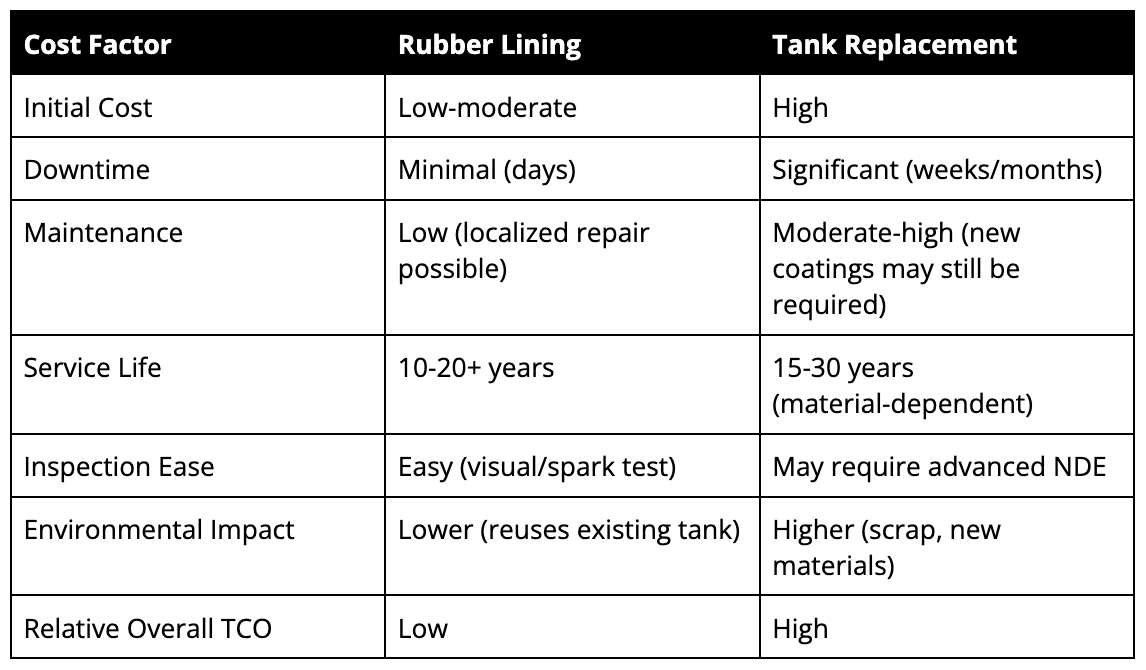
Total Cost of Ownership Comparison Chart

total cost of ownership comparison chart

The Advantage of Rubber Lining Is Long-term ROI

While new tanks may last slightly longer in some cases, the cumulative cost savings of rubber lining — combined with faster return to service — typically results in a higher ROI over the tank’s lifespan.

Some additional benefits are: 

  • Customization – Rubber lining can be tailored for chemical resistance, abrasion, or thermal stability.
  • Sustainability – Relining extends the life of existing infrastructure, supporting any company-wide ESG goals. 
  • Flexibility – Tanks can be relined again in the future, so you could delay full tank replacement sometimes indefinitely.

When Tank Replacement Does Make Sense

There are some situations where replacement may be the better long-term option. 

  • Severe structural damage, like cracks or wall thinning, that rubber lining can’t help
  • Significant deformation or pressure integrity issues
  • Regulatory changes requiring full design updates

But for most corrosion or chemical wear cases, rubber lining is the more economical, lower-risk solution. 

Maximize ROI with Rubber Lining from US RUBBER

At US Rubber, our team specializes in rubber lining installation, repair, and NACE-certified inspection services for tanks, vessels, and piping systems. With decades of experience across industries — from chemical processing to water treatment — we help facility owners extend the life of their equipment, reduce costs, and improve safety.

Let’s work together to extend the life of your tanks without draining your capital.

How Rubber Lining Protects Equipment for Mining from Abrasion and Slurry Damage

How Rubber Lining Protects Equipment for Mining from Abrasion and Slurry Damage

In the mining industry, equipment isn’t just exposed to tough conditions—it’s under constant attack. Chutes, tanks, pipelines, and other systems face relentless wear from abrasive materials, high-impact rock loads, and fast-moving slurry that erodes surfaces from the inside out. Without proper protection, even the most durable mining equipment can wear out quickly, leading to costly repairs and unscheduled downtime.

That’s where rubber lining equipment for mining comes in.

Rubber is a proven solution that absorbs impact, resists abrasion, and seals against corrosion and slurry erosion. In this blog, we’ll explore how rubber lining works, where it’s most effective, and why it’s the go-to choice for mining operations that demand durability and uptime.

The Harsh Realities of Mining Environments

Mining operations are some of the most demanding industrial environments on the planet. From the moment raw material is extracted to the point it’s processed and transported, equipment faces an intense combination of forces that can cause rapid degradation.

Common Threats to Mining Equipment:

  • Abrasion: Constant contact with sharp, coarse material grinds down surfaces over time.
  • Impact: Heavy rocks and materials drop from significant heights, striking chutes, hoppers, and bins with force.
  • Slurry Erosion: Slurries (mixtures of fine solids and water) flow through pipelines and tanks at high speeds, gradually eating away at unprotected surfaces.
  • Corrosion: Exposure to water, chemicals, and minerals can corrode unlined metal components.

Mining Equipment at Risk:

  • Chutes and Hoppers: Handle large volumes of falling rock and aggregate.
  • Pipelines and Slurry Lines: Transport abrasive mining slurry at high velocity.
  • Tanks and Process Vessels: Store and mix corrosive materials and abrasive solids.
  • Mill Feed Boxes and Cyclones: Constantly exposed to high-energy slurry flows.

The Cost of Equipment Damage:

  • Unplanned Downtime: Unexpected failures bring operations to a standstill.
  • Repair and Replacement Costs: Frequent repairs drive up maintenance expenses.
  • Lost Productivity: Idle equipment delays production and shipment schedules.

In such a hostile environment, standard materials simply don’t hold up. Without specialized protection, even high-strength steel components can fail prematurely, and that’s where rubber lining proves its value.

Why Rubber Lining Works in Mining Applications

Rubber lining is an engineered solution designed to handle the harshest conditions the mining industry can throw at it. From high-impact rock drops to abrasive slurry flows, rubber lining creates a flexible, durable barrier that protects equipment from premature wear and failure.

Here’s why rubber is so effective:

  • Exceptional Impact Absorption
    Rubber’s natural elasticity allows it to absorb shock and deformation without cracking. That flexibility makes it ideal for chutes, hoppers, and other high-impact areas where rigid materials like steel or ceramic might shatter or dent. 
  • Superior Abrasion Resistance
    Rubber can withstand continuous scraping and grinding from coarse materials. It wears down slowly and evenly, providing long-term protection for equipment carrying or processing abrasive media. 
  • Seamless Protection Against Slurry and Corrosion
    Properly applied rubber linings form a watertight seal that prevents slurry infiltration and moisture-induced corrosion — two of the most damaging forces in slurry-based operations. 
  • Chemical and Temperature Resistance
    With various rubber  compounds available, linings can be customized to resist specific chemicals or handle extreme temperature fluctuations. Whether you’re dealing with acidic slurries or hot, abrasive ore, rubber has a formulation for the job. 
  • Long-Lasting Performance Under Stress
    Rubber linings remain bonded and functional even under repeated flexing, vibration, and movement (conditions that often cause rigid linings to crack or break apart).

In short, rubber lining adapts to the unique mechanical and chemical challenges of mining operations, helping preserve critical components and extend equipment life.

Key Applications of Rubber Lining in the Mining Industry

Rubber lining plays a vital role in mining equipment, particularly where abrasion, impact, and slurry erosion are most intense. By applying the right type of rubber lining to the correct component, mining operations can dramatically increase equipment lifespan and reduce unplanned downtime.

Chutes and Hoppers

These components are constantly bombarded by falling rock and ore. Rubber lining absorbs the energy from impact, reducing surface damage and minimizing the risk of cracking or denting. It also helps prevent material hang-up, allowing for smoother material flow and reducing clogs.

Pipelines and Slurry Transport Lines

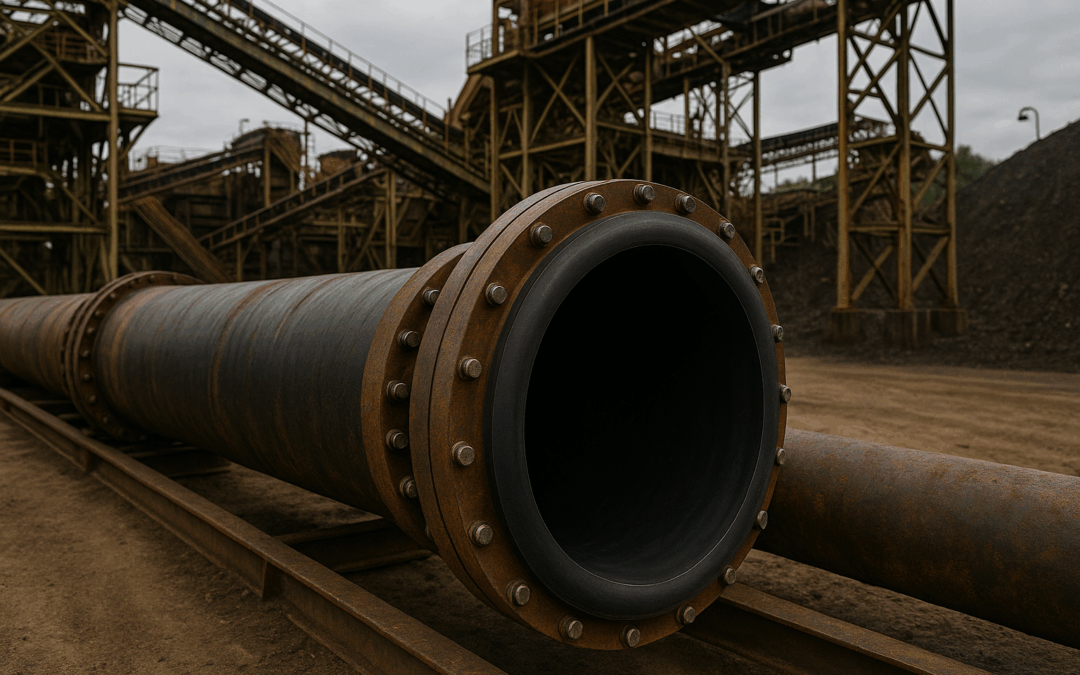
Slurry (a high-velocity mix of fine solids and water) can wear down unlined metal pipes within months. Rubber lining creates a smooth, resilient barrier that resists both abrasion and chemical attack, extending the life of pipelines transporting mining slurry.

Tanks and Process Vessels

Rubber-lined tanks are used to store and process various corrosive and abrasive materials. Lining these tanks with rubber protects the vessel’s structural integrity while reducing contamination and simplifying maintenance.

Rubber Lining Equipment for Mining vs. Alternative Materials

While several options exist for lining and protecting mining equipment, rubber stands out for its unique combination of flexibility, durability, and cost-effectiveness. 

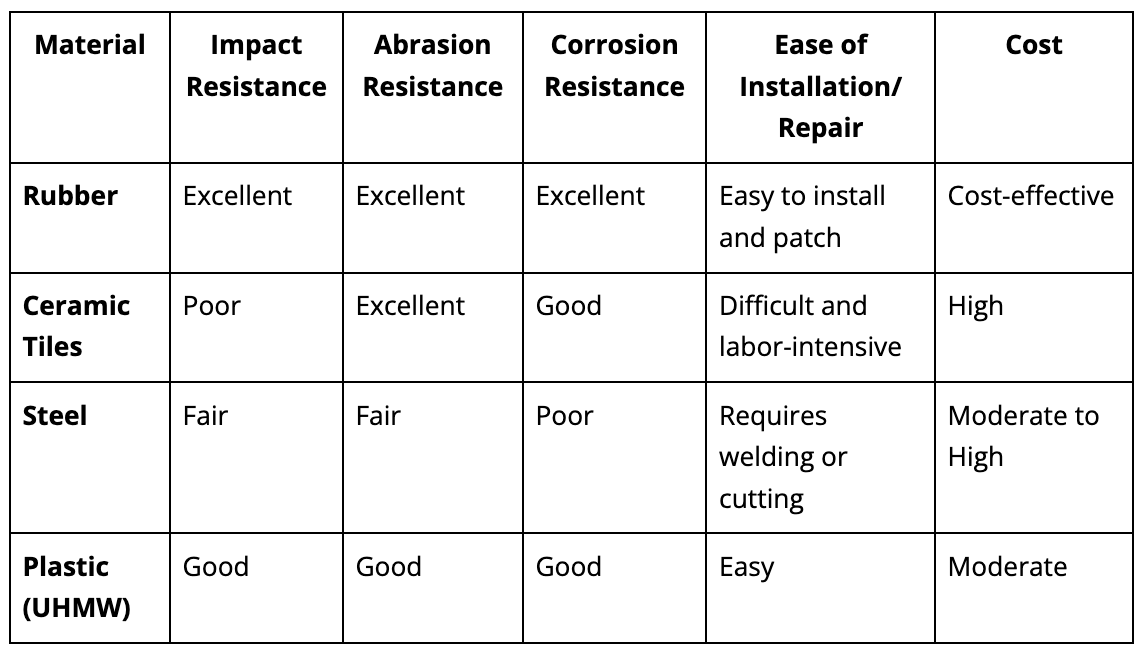
Let’s take a closer look at how rubber compares to other commonly used lining materials in the mining industry:

Rubber Lining Equipment for Mining vs. Alternative Materials

When Rubber Is the Best Choice:

  • When equipment is exposed to both impact and abrasion (ex. chutes, hoppers).
  • When handling abrasive slurry that causes internal pipe wear.
  • When chemical resistance is needed.
  • When downtime must be minimized, rubber is easier to repair on-site.

When Other Materials Might Be Considered:

  • For extreme abrasion with minimal impact (ceramic).
  • Where the budget allows for specialized installations (ceramic or steel).
  • When dealing with non-impact dry materials, and cost is a priority (plastic).

Long-Term Benefits of Rubber-Lined Mining Equipment

Investing in rubber lining doesn’t just solve short-term wear problems; it delivers long-term value across your entire operation:

1. Extended Service Life for High-Wear Assets

Rubber linings form a durable, flexible barrier that withstands the harshest operating conditions. Equipment lined with rubber lasts significantly longer than unlined or poorly protected components, especially in high-impact or abrasive applications.

2. Reduced Maintenance Frequency and Costs

With rubber-lined systems, repairs are less frequent; when needed, they’re easier and faster to complete. This minimizes labor costs and eliminates the need for full equipment replacements.

3. Fewer Unplanned Shutdowns

Downtime is one of the biggest profit-killers in mining. By preventing premature wear, rubber linings help reduce unexpected breakdowns, keeping operations running smoothly and consistently.

4. Lower Total Cost of Ownership Over Time

While the upfront cost of rubber lining is often lower than that of other materials, the real savings come in long-term performance. Longer equipment life, fewer repairs, and minimized downtime all contribute to a significantly lower total cost of ownership.

Upgrade Mining Equipment Protection with Rubber Lining from US RUBBER

If you’re relying on inefficient equipment for mining, it might be time to reevaluate. US RUBBER offers expert guidance and custom rubber lining solutions designed specifically for the mining industry. We’ll help you choose the right rubber compound, lining method, and application strategy to match your equipment and operational goals.

Contact US RUBBER today to learn more, request a consultation, or schedule an inspection. Let’s protect your equipment — and your bottom line — with proven rubber lining solutions.

From Rubber Cracking to Debonding: How to Spot and Solve Lining Failures

From Rubber Cracking to Debonding: How to Spot and Solve Lining Failures

Rubber linings protect industrial equipment against corrosion, abrasion, and chemical damage. They also protect storage tanks, pipes, or process vessels, extend equipment life, and keep operations running safely and smoothly.

But even the most durable rubber lining isn’t immune to failure. Lining materials can break down over time, or due to improper installation or exposure to harsh conditions. When they do, minor issues can quickly escalate into major problems like leaks, contamination, or unplanned downtime.

This blog will walk you through six of the most common rubber lining failure modes—what they look like, what causes them, and how to respond quickly to prevent costly damage and keep your business running. 

6 Signs of Rubber Lining Failure to Keep an Eye Out For

From rubber cracking to chemical attacks, below are six of the most common signs of failure—and what to do if you spot them.

1. Rubber Cracking

What it looks like:
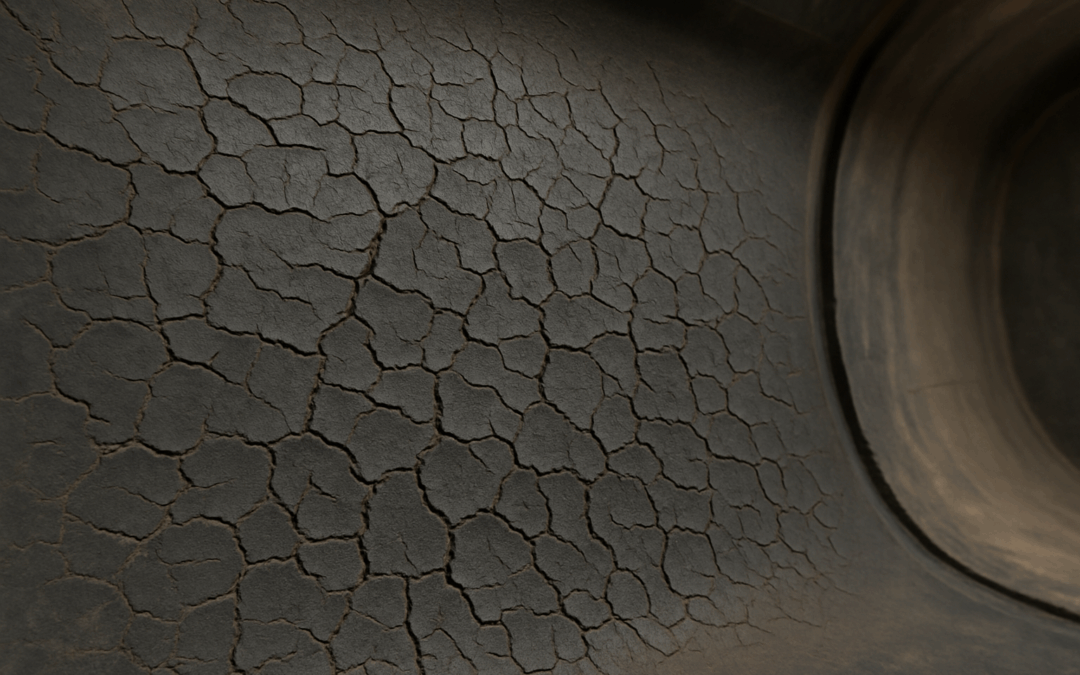
Cracks may appear on the surface of the rubber or run deeper into the lining, creating a brittle or flaky appearance. These are especially common in older linings or areas exposed to the elements.

Common causes:
Rubber cracking is often caused by prolonged exposure to UV rays, ozone, or high temperatures. It can also result from chemical incompatibility, oxidation, or simply aging rubber at the end of its service life.

How to respond:
Cracks are a clear warning that your lining is no longer providing full protection. At the first sign of cracking, remove the equipment from service and assess the extent of the damage. In most cases, a rubber lining professional should evaluate the material and recommend either spot repair or a full reline, depending on severity.

2. Debonding

What it looks like:
Debonding occurs when the rubber lining lifts or peels away from the substrate. You might notice visible gaps, curling edges, or bubbles forming beneath the surface. In severe cases, entire sections of the lining may detach.

Common causes:
Debonding typically stems from improper surface preparation during installation, moisture or contamination under the adhesive, or incorrect adhesive selection or application. It can also result from corrosion forming beneath the lining, compromising adhesion over time.

How to respond:
Debonding creates pathways for chemicals, moisture, and abrasion to reach the equipment surface, putting your system at risk. If you notice signs of separation, stop operation immediately and have the area inspected. A rubber lining expert can assess the substrate condition and reline the area using proper surface prep and bonding techniques to ensure long-term performance.

3. Blistering

What it looks like:
Raised, bubble-like formations under the rubber surface indicate blistering. These blisters are often soft to the touch and may contain air, liquid, or gas. In some cases, they can rupture and expose the substrate below.

Common causes:
Blistering usually results from trapped air or solvent during the lining installation process. Over time, permeation of process media—especially under pressure or heat—can also lead to blisters forming beneath the surface.

How to respond:
Blistering may indicate more than just a surface issue. In many cases, it signals hidden corrosion or delamination beneath the rubber. A lining professional should cut into the blister to evaluate its depth and determine if localized repair or complete removal and reapplication is required. Acting quickly helps prevent the problem from spreading and compromising more equipment.

4. Liner Erosion or Wear

What it looks like:
Signs of erosion include visible thinning, grooves, or worn patches in the rubber lining, especially in high-flow areas or zones exposed to abrasive materials. In severe cases, the substrate beneath the lining may become exposed.

Common causes:
Constant impact from slurries, solids, or abrasive particles can wear down high-performance linings. Other contributing factors include the use of rubber with insufficient hardness for the application or poor system design, which creates excessive turbulence or concentrated wear zones.

How to respond:
Erosion reduces the lining’s ability to protect your equipment and can quickly lead to leaks or structural damage. If you notice signs of wear, evaluate the rubber hardness and thickness in affected areas. Upgrading to a more abrasion-resistant formulation or redesigning the system to reduce wear (such as adding baffles or redirecting flow) can help extend the lining’s lifespan.

5. Chemical Attack

What it looks like:
If rubber appears swollen, softened, sticky, or cracked, it could indicate chemical attack. This is especially common in areas exposed to aggressive chemicals. Depending on the extent of chemical exposure, damage may be localized or spread across broader surfaces.

Common causes:
Chemical attack occurs when the rubber lining isn’t properly matched to the process media. Exposure to incompatible acids, solvents, or caustics (especially at elevated temperatures) can break down the rubber’s structure over time.

How to respond:
Stop the process at the first sign of chemical degradation and identify the chemical exposure. A lining expert can test the rubber and recommend a more chemically resistant formulation. 

6. Undercure or Overcure

What it looks like:
Undercured rubber feels unusually soft, tacky, or weak, sometimes with a gummy texture. Overcured rubber, on the other hand, is tough, brittle, and prone to cracking. Both conditions compromise the lining’s protective properties.

Common causes:
Improper vulcanization during installation is the leading cause of this condition. Other causes include incorrect temperature or cure time, poor placement in the autoclave, or inconsistent heating across the lined surface.

How to respond:
Cut and test sample sections to determine the degree of cure. If undercure or overcure is confirmed, the lining may need to be reprocessed or replaced entirely. Working with experienced rubber lining professionals helps ensure proper cure cycles and consistent quality control, preventing premature failure.

Why Fast Action Matters

Rubber lining failures rarely fix themselves. Even minor issues can spiral into major problems if ignored. Cracks can deepen, blisters can rupture, and worn areas can quickly expose the substrate to corrosive or abrasive materials. The longer you wait, the greater the risk of equipment leaks, contamination, and unplanned shutdowns.

Catching signs of failure early and taking swift action can save thousands in repair costs and prevent costly downtime. Regular inspections and partnering with a trusted rubber lining provider are key to staying ahead of potential failures and extending the life of your equipment.

Don’t Wait—Get Expert Help with US RUBBER 

Not all rubber lining failures are easy to spot or fix. That’s why it pays to have a trusted partner who knows what to look for and how to respond.

At US RUBBER, we bring decades of experience in diagnosing, repairing, and replacing rubber linings across a wide range of industrial applications. From on-site inspections and lab testing to full tank relining and preventative maintenance, we protect your equipment and productivity.

Is your lining failing? Contact US RUBBER today to schedule an expert inspection or discuss your repair options.