CALL US TODAY! (225) 647-2747

CAREER OPPORTUNITIES 

Understanding Durometer Ratings and What They Mean for Rubber Lining Performance

Understanding Durometer Ratings and What They Mean for Rubber Lining Performance

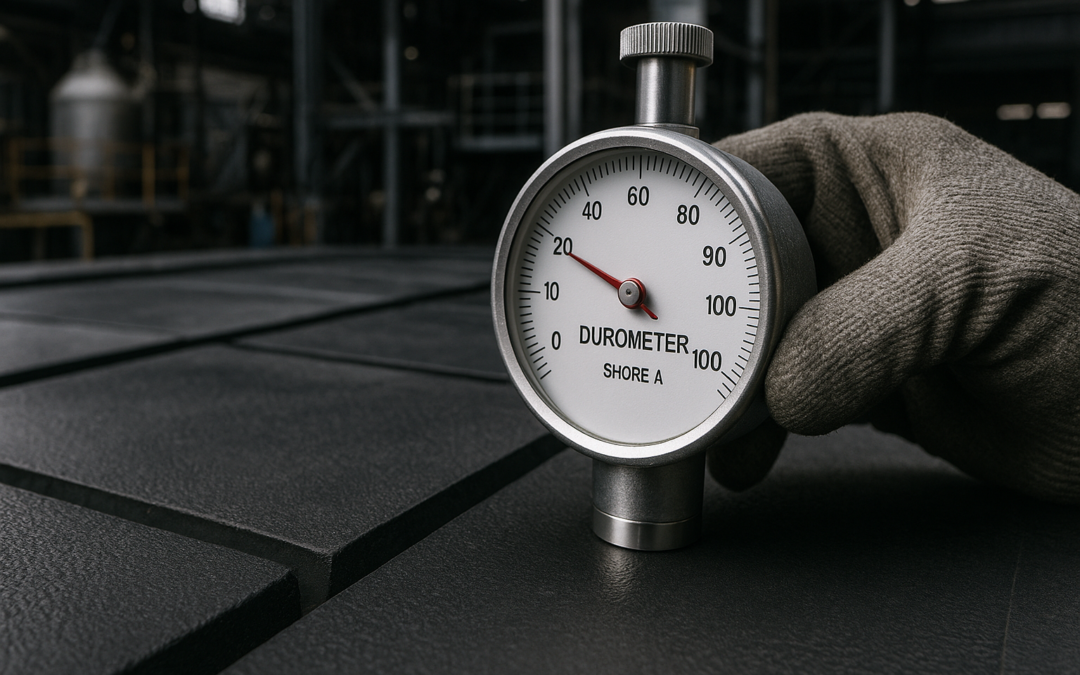
Understanding durometer ratings is one of the most critical factors in selecting industrial rubber lining. A durometer measures the hardness of rubber, which directly impacts how well it performs under stress, resists abrasion, absorbs impact, and stands up to harsh environments.

Rubber hardness is critical for meeting spec requirements, ensuring long-term performance, protecting valuable equipment, and minimizing costly downtime. Whether your application involves chemical exposure, mechanical stress, or abrasive materials, the correct durometer rating can make all the difference.

In this blog, we’ll explain how durometer ratings are measured, what different levels mean, and how to match the right hardness to your specific needs.

What Is a Durometer Rating?

A durometer rating is a standardized measurement of a material’s hardness, specifically, its resistance to indentation. In industrial rubber applications, durometer ratings help engineers and maintenance teams evaluate how soft or hard a rubber compound is and whether it’s suitable for a specific environment or mechanical demand.

For most rubber lining applications, hardness is measured using the Shore A scale, which is designed for flexible, semi-rigid materials like elastomers. The scale assigns a number from 0 to 100 based on how much a calibrated device (called a durometer) penetrates the rubber’s surface:

  • A lower value (e.g., Shore A 40) indicates softer rubber that absorbs shock and conforms to irregular surfaces.
  • A higher value (e.g., Shore A 90) indicates harder rubber that offers greater resistance to abrasion and mechanical wear.

Hardness testing is standardized under ASTM D2240 to ensure consistency and accuracy across applications. At US Rubber, we perform durometer testing as part of our quality control process—both during manufacturing and after curing—to confirm that each lining meets its required specifications.

What Durometer Ratings Indicate in Real Applications

Different durometer ratings affect how rubber responds to stress, impact, and environmental challenges. Here’s a breakdown of what various Shore A ranges typically mean—and where each performs best.

Soft Rubber (Shore A 40–60)

  • Flexible and elastic
  • Absorbs vibration and shock
  • Ideal for tight seals, vibration damping, and irregular surfaces

Medium Rubber (Shore A 60–75)

  • Balances flexibility with strength
  • Suitable for general-purpose linings
  • Common in moderate-wear environments

Hard Rubber (Shore A 75–90+)

  • Rigid and durable
  • Resists tearing and abrasion
  • Best for high-impact or high-pressure environments

Now let’s connect these characteristics to specific industrial applications:

Abrasion Resistance

Harder rubber (Shore A 80–90) withstands repeated wear, making it ideal for chutes, hoppers, and material-handling systems.

Chemical Exposure

While the compound matters most, mid-range durometer rubber (60–75) offers a good balance of flexibility and resistance in chemically aggressive environments.

Impact & Mechanical Stress

Softer rubber (40–60) performs better in shock-absorbing roles, such as vibrating screens or mobile equipment.

Complex Shapes & Surfaces

Lower durometer materials are more pliable and easier to install around bends, curves, and fittings.

Choosing a durometer that’s too hard or too soft can result in poor performance, increased wear, or even lining failure. That’s why material selection must match the real demands of your operating environment.

Why Durometer Isn’t the Only Critical Factor

While durometer ratings provide essential insight into rubber hardness, they’re just one part of the equation. The overall performance of a rubber lining also depends on:

  • Rubber formulation, which affects chemical resistance, temperature tolerance, and tensile strength
  • Cure systems, which influence final hardness and bonding properties
  • Substrate preparation, which impacts how well the rubber adheres to surfaces
  • Environmental factors like thermal cycling, pressure, and chemical exposure

Even with the right durometer, a poor fit for any of these elements can lead to premature failure. That’s why it’s important to take a holistic view—and work with a partner who understands how to optimize all the variables.

Work with US Rubber for the Right Material Selection

At US Rubber, we bring decades of experience in evaluating every aspect of your application environment, including chemical exposure, temperature extremes, mechanical stress, and abrasion levels.

Our team works closely with you to recommend the optimal durometer rating and rubber compound for your needs. And when off-the-shelf solutions won’t cut it, we can customize rubber linings to meet your exact operating conditions and performance standards.

Need help finding the right durometer rating for your lining? 

Contact US Rubber today for expert guidance or to request a quote. We’re here to help you protect your equipment, reduce downtime, and get the job done right the first time.
How to Select the Best Rubber Lining Material for Your Chemical Resistance Needs

How to Select the Best Rubber Lining Material for Your Chemical Resistance Needs

When your equipment is exposed to harsh chemicals day in and day out, selecting the right rubber lining material is vital. The wrong choice can lead to premature failure, unplanned downtime, and costly repairs. The right material, on the other hand, can provide long-lasting protection, reduce maintenance needs, and help your operation run smoothly for years to come.

But with so many chemical environments and rubber formulations available, how do you know which rubber lining material is best?

Let’s walk through six key factors to consider when selecting a rubber lining for chemical resistance. We’ll provide a quick breakdown of common rubber materials and their compatibility with different chemicals, temperatures, and mechanical demands. And when it’s time to put that lining into service, you’ll see why working with a trusted partner like US Rubber ensures both the right material and a reliable installation.

6 Things to Consider When Choosing a Rubber Lining for Chemical Resistance

The right rubber lining material protects your equipment, extends service life, and reduces costly maintenance—but only if it’s chosen with your specific chemical environment and operating conditions in mind. Below are six key factors to help guide your selection.

1. Understand Your Chemical Environment

Before you choose a rubber lining material, you need to know exactly what it’s up against. Start by identifying all the chemicals your equipment will come into contact with (Ex. acids, alkalis, solvents, oxidizers, a mix of several, etc.)

It’s also important to assess:

  • Concentration levels: A low concentration of an acid might be fine for some materials, but higher levels could cause degradation.
  • Exposure duration: Is the chemical contact constant, intermittent, or just occasional?
  • Combination effects: Even if individual chemicals are compatible, mixtures can create unexpected reactions that affect performance.

Pro tip: Remember trace chemicals or cleaning agents—if they’re not considered in the selection process, they can slowly degrade the lining over time.

2. Consider Operating Conditions

Chemical exposure is only part of the equation. Your rubber lining also needs to perform under the physical demands of your system. Be sure to factor in:

  • Temperature: High heat can accelerate chemical reactions and degrade some rubber materials, while extreme cold may cause brittleness or cracking. Choose a lining rated for your maximum operating temperature.
  • Pressure and mechanical stress: Equipment that experiences internal pressure, movement, or flexing requires a rubber lining that offers both elasticity and durability to prevent cracking or delamination.
  • Abrasive media: If your chemicals are part of a slurry or contain suspended solids, you’ll need a material that offers abrasion resistance in addition to chemical protection.

Remember: Even a rubber that performs well chemically might still fail prematurely if it cannot handle the system’s mechanical or thermal loads.

3. Cured vs. Uncured Rubber Linings

Another critical consideration is whether to use cured or uncured rubber lining. Each has advantages, and the right choice depends on your application and installation environment.

  • Cured Rubber Linings:
    • Pre-vulcanized before application
    • Offer consistent properties and quick installation
      Easier to inspect for uniformity and defects
    • Ideal for simpler surfaces and controlled shop conditions
  • Uncured Rubber Linings:
    • Applied in an uncured state and vulcanized after installation
    • Allow for better conformity to complex or irregular surfaces
    • Require skilled technicians and careful process control to ensure a complete cure
    • Often used in the field or for large, custom installations

In general: Cured linings are great when time and predictability matter, while uncured linings offer flexibility for more challenging or custom applications.

4. Compare Rubber Lining Material Options

Not all rubber is created equal, especially when it comes to chemical resistance. Each compound has its own strengths and weaknesses, depending on the chemicals, temperatures, and conditions involved.

Below is a quick comparison of common rubber lining materials and their chemical resistance properties:

Natural Rubber (NR)

Best for: Mild acids, alkalis, and abrasion

Avoid with: Oils, solvents, and oxidizers

Neoprene (CR)

Best for: Moderate acids and alkalis, ozone, and weathering

Avoid with: Strong oxidizers, aromatic solvents

EPDM

Best for: Hot water, steam, acids, and alkalis

Avoid with: Oils, hydrocarbons

Chlorobutyl (CIIR)

Best for: Oxidizing chemicals, steam, and permeation resistance

Avoid with: Strong solvents

Hypalon (CSM)

Best for: UV exposure, weathering, and mixed chemical environments

Avoid with: Ketones, esters

Nitrile (NBR)

Best for: Oils, fuels, greases

Avoid with: Strong acids and oxidizers

Viton® (FKM)

Best for: Aggressive solvents, high temperatures, concentrated acids

Avoid with: Some low-temperature environments

Learn more about Viton® (FKM). 

Note: Always cross-check your chemical list with a compatibility chart and consult a rubber lining expert to confirm your selection.

5. Don’t Overlook Compatibility and Longevity

Even if a rubber material is technically rated for your chemicals, that doesn’t guarantee long-term performance. Real-world conditions often introduce variables that accelerate wear or reduce effectiveness. To make sure your lining lasts:

  • Validate with real-world experience: Chemical resistance charts are helpful, but field performance and case studies give a more complete picture.
  • Consider permeability and diffusion: Some chemicals may slowly penetrate the lining over time, especially at higher temperatures.
  • Account for thermal expansion and contraction: Repeated heating and cooling can stress the bond between the lining and substrate.
  • Watch out for chemical combinations: Certain mixtures may create new byproducts or reactions that weren’t considered during initial material selection.

Keep in mind: A lining that works well on paper may not be the most economical or durable choice in practice. Longevity matters just as much as initial compatibility.

6. Work with a Certified Rubber Lining Partner

Selecting the right rubber lining material is only half the equation. Even the most chemically resistant rubber won’t perform as expected if it’s installed improperly.

That’s why working with a certified partner who understands both material science and installation best practices is critical.

When you work with US Rubber, you get:

  • Expert guidance on material selection based on your specific chemical environment and mechanical needs
  • Certified field and shop crews equipped to handle everything from tank linings to complex vessels
  • 24/7 installation and repair services to minimize downtime
    Full documentation and inspection reports to support traceability, compliance, and long-term maintenance planning

In short: An ideal rubbing lining partner will help you choose the right material and install it the right way, so you can protect your equipment and keep operations running smoothly.

Get Chemical Resistance You Can Count On

Rubber lining is one of the most effective ways to protect your equipment from chemical attack—but only if you choose the right material and install it properly. 

Need help determining the best rubber lining material for your application?

US Rubber is here to help. Our experienced team can recommend the proper lining based on your exact requirements—and back it up with expert installation and support.

Contact us today to speak with a specialist or request a quote.

How to Choose a Rubber Lining Installer for Industrial Tanks

How to Choose a Rubber Lining Installer for Industrial Tanks

Rubber linings do a fantastic job protecting tanks, pipes, and process equipment from corrosion, abrasion, and chemical attack. However, the quality of that protection depends heavily on one factor: the rubber lining installer responsible for the job.

Choosing the right rubber lining installer isn’t just about finding a company that can perform rubber lining installation, it’s about selecting a partner with the experience, technical expertise, and attention to detail needed to deliver long-term performance. Choosing the wrong installer can lead to costly downtime, premature failures, and expensive repairs.

Let’s review the essential criteria for evaluating rubber lining contractors, from certifications and application methods to material quality and safety practices.

Choosing a Rubber Lining Installer: 7 Key Factors

1. Experience and Industry Expertise

When it comes to rubber lining installation, experience matters. A seasoned rubber lining installer brings years of hands-on knowledge working with different rubber compounds, curing processes, and application environments such as chemical plants, mining facilities, or wastewater treatment systems.

Look for rubber lining contractors with a proven track record across multiple industries. This demonstrates their ability to adapt their rubber lining installation process to different project demands and operating conditions.

What to ask:

  • How long has the company been installing rubber linings?
  • What types of equipment and environments have they worked with?
  • Can they provide project references or case studies?

Choosing an experienced rubber lining installer helps ensure your lining performs reliably under demanding industrial conditions.

2. Specialization in Rubber Lining

Not every coating contractor is a true rubber lining installer. Rubber lining is a specialized process that requires detailed knowledge of rubber materials, surface preparation, bonding procedures, and curing methods.

Partnering with experienced rubber lining contractors who focus specifically on rubber lining installation ensures you’re working with professionals familiar with common failure points and best practices.

Why it matters:

  • Specialized crews are trained in rubber-specific prep and application.
  • Fewer installation errors mean fewer costly repairs or rework.
  • You get better performance and longer service life from your lining.

When evaluating companies, prioritize a rubber lining installer whose core expertise is rubber, not a general contractor offering it as a secondary service.

3. Certifications and Compliance

While rubber lining may seem simple, the rubber lining installation process involves strict technical standards. Improper surface preparation or curing can result in premature lining failure.

Professional rubber lining contractors invest heavily in training and certifications to ensure their crews follow industry best practices. Working with a certified rubber lining installer ensures accountability, quality control, and regulatory compliance.

What to look for:

  • Certified applicators trained in rubber lining procedures
  • OSHA-compliant safety programs and confined space protocols
  • Documentation of inspection, testing, and quality control procedures

Choosing a certified rubber lining installer protects your equipment investment and helps prevent future lining failures.

4. Equipment and Application Technology

Even the most skilled rubber lining installer relies on advanced equipment to perform high-quality rubber lining installation. Every stage, from surface preparation to curing, requires precision and the right tools.

Leading rubber lining contractors invest in advanced application and testing technology, including sandblasting equipment, spark testing tools, pressure testing systems, and autoclave curing systems.

Why it matters:

  • Proper surface prep ensures long-term adhesion.
  • In-shop linings benefit from controlled environments and advanced curing methods.
  • Spark testing and thickness checks help confirm installation quality.

When evaluating a rubber lining installer, ask whether they provide both field and shop lining services and what quality control technologies they use.

5. Material Quality and Compatibility

The success of any rubber lining installation depends heavily on selecting the correct rubber compound. Different environments require materials with specific properties, including chemical resistance, abrasion resistance, flexibility, and temperature tolerance.

A knowledgeable rubber lining installer will evaluate your operating environment and recommend materials suited to your system. Experienced rubber lining contractors understand how rubber formulations behave under chemical exposure, pressure changes, and mechanical stress.

What to consider:

  • Is the rubber compound rated for your chemical exposure?
  • Does it meet the temperature and pressure demands of your system?
  • Are the materials sourced from reputable suppliers?

Working with an experienced rubber lining installer ensures the lining material and installation process are properly matched to your application.

6. Project Management & Installation Process

A reliable rubber lining installer should manage the entire rubber lining installation process from start to finish. Effective project management ensures the job stays on schedule, meets safety requirements, and delivers consistent quality.

Professional rubber lining contractors coordinate closely with facility teams to minimize downtime and ensure smooth project execution.

What to look for:

  • A defined project scope and timeline
  • Regular progress updates and responsive communication
  • Post-installation inspection and quality assurance

Strong communication and structured processes are key indicators of a dependable rubber lining installer.

7. Safety Practices

Rubber lining installation often occurs in challenging environments such as confined spaces, elevated platforms, and chemical processing areas. Because of these risks, safety must be a core priority for any rubber lining installer.

Reputable rubber lining contractors maintain strict safety programs and documented protocols for hazardous work environments.

Key safety considerations:

  • Are crew members certified for confined space work?
  • Do they conduct safety briefings and site-specific hazard assessments?
  • Can they provide proof of insurance and EMR (Experience Modification Rate)?

A safety-focused rubber lining installer helps protect both personnel and equipment during complex industrial projects.

Why US RUBBER Is the Best Rubber Lining Installer

When searching for a dependable rubber lining installer, US RUBBER stands out as a trusted industry partner.

We specialize in 24/7 rubber lining installation and repair services, offering flexible, responsive support in the field and at our full-service shop. Whether a new tank lining or an emergency repair is needed, our team is ready to mobilize quickly and deliver high-performance results.

Facilities seeking experienced rubber lining contractors often rely on US Rubber rubber lining specialists to deliver long-lasting corrosion protection.

Here’s what sets US RUBBER apart:

  • Experienced field crews with decades of hands-on installation and repair expertise
  • Shop services for tanks, vessels, agitators, and other specialty equipment
  • Application expertise in a wide range of rubber compounds tailored to your process
  • Advanced tools and testing methods for quality control and long-term performance
  • Around-the-clock availability to keep your operation running smoothly

Don’t Leave Your Rubber Lining to Chance

Selecting the right rubber lining installer is one of the most important decisions when protecting tanks, vessels, and process equipment. Working with experienced rubber lining contractors ensures your rubber lining installation meets industry standards and delivers reliable performance.

At US RUBBER, we bring decades of experience, advanced technology, and a commitment to quality to every project. If you’re looking for an experienced rubber lining installer for your next project, our team is ready to help.

Contact us today to learn more about our rubber lining services or to request a quote.

5 Benefits of Rubber Lining for Mining Tanks and Equipment

5 Benefits of Rubber Lining for Mining Tanks and Equipment

Mining operations can take a beating on equipment. Tanks, pipes, and transfer systems are affected daily by corrosive chemicals and highly abrasive slurries. Without proper protection, that wear and tear leads to frequent breakdowns, costly repairs, and unsafe working conditions.

Rubber linings provide a proven solution. By acting as a durable barrier between harsh materials and equipment surfaces, rubber linings extend the service life of critical components, reduce maintenance needs, and support safer, more efficient operations.

In this blog, we’ll explore five key benefits of using rubber linings for mining and explain why they’re a wise investment for any mining operation.

Rubber Lining for Mining: The 5 Main Benefits

#1: Corrosion Resistance in Harsh Mining Conditions

Mining often involves handling acidic solutions, caustic chemicals, and other aggressive materials that can corrode unprotected steel surfaces. Over time, corrosion weakens equipment, causes leaks, and leads to costly failures.

Rubber linings act as a chemical-resistant barrier to protect tanks, vessels, and pipes from corrosive attack. Their flexibility allows them to expand and contract with the substrate, maintaining a tight seal and long-term protection.

Whether storing reagents or transferring process fluids, corrosion-resistant rubber lining helps safeguard your infrastructure and reduce the risk of unplanned downtime.

#2: Abrasion Protection for Slurry Systems

Slurry isn’t just messy—it’s highly abrasive. This constant mix of water, rock, and minerals moving through pipes and tanks can quickly grind down unlined equipment.

Rubber linings absorb impact and resist wear, and provide a protective shield between abrasive materials and the equipment’s surface. This added layer dramatically slows down the rate of erosion, extending the lifespan of components like chutes, hoppers, and slurry lines.

If your operation relies on continuous slurry movement, rubber linings for slurry transfer help prevent leaks, minimize failures, and keep production running smoothly.

#3. Lower Maintenance and Replacement Costs

Unplanned maintenance is one of the most significant cost drivers in mining operations. Frequent equipment repairs, replacements, and downtime can quickly eat into your budget and productivity.

Rubber-lined equipment is more resistant to wear and chemical attack, meaning fewer repairs, fewer frequent part replacements, and longer service intervals. This translates to reduced labor, fewer shutdowns, and a more predictable maintenance schedule.

By investing in rubber linings upfront, mining operations can realize long-term savings and improve overall equipment reliability.

#4. Improved Safety and Environmental Protection

When equipment fails, the consequences go beyond lost production. Leaks, ruptures, and exposure to hazardous materials can put workers at risk and lead to environmental damage.

Rubber linings help maintain the integrity of tanks and slurry systems, reducing the risk of spills and equipment failure. Since they contain abrasive and corrosive materials, rubber linings contribute to a safer worksite and help prevent contamination of nearby soil or water sources.

In an industry where safety and environmental compliance are non-negotiable, rubber lining is a proactive solution.

#5. Enhanced Efficiency in Mining Operations

Efficiency is everything in mining. The smoother your systems run, the more product you can move, and the lower your energy costs will be. 

Rubber linings help reduce internal friction and turbulence in pipes and tanks, allowing slurry to flow more easily. That means less energy is required to pump materials through your system, which not only improves throughput but also lowers operational costs.

Rubber linings help your operation run more efficiently by keeping equipment in better condition and supporting consistent flow.

Long-Term Value: Why Rubber Linings Are a Smart Investment for Your Business

Rubber linings aren’t just about protection—they’re about performance and profitability over the long haul.

When properly installed and maintained, rubber linings can serve your operation for years, offering one of the most cost-effective ways to protect your infrastructure and avoid unnecessary downtime.

Here’s how they deliver long-term value:

  • Extend equipment lifespan by protecting against corrosion, abrasion, and chemical attack
  • Reduce maintenance frequency and the need for costly emergency repairs
  • Improve operational efficiency by optimizing slurry flow and minimizing energy use
  • Avoid hidden costs like downtime, safety risks, and environmental violations
  • Maximize ROI through long-lasting protection and lower total cost of ownership

Protect Your Equipment and Maximize Uptime with U.S. Rubber Lining Services

At U.S. Rubber, we deliver turnkey rubber lining solutions backed by over 35 years of experience across the most demanding industries, including mining, steel, petrochemical, and nuclear.

Whether you need in-field repairs or full rubber lining installations, our expert crews and state-of-the-art 75,000 sq. ft. facility can handle projects of any size or complexity. We fabricate and line tanks, vessels, piping, and more—all to exacting industry standards (ASME, API, NACE).

Ready to reinforce your mining operation?

Contact us to request a quote and see how our rubber lining solutions can protect your investment, optimize your systems, and keep your operation moving.


What To Do During Rubber Lining Failure: A Step-by-Step Guide

What To Do During Rubber Lining Failure: A Step-by-Step Guide

Rubber linings are the unsung heroes of industrial systems, protecting tanks, pipes, and vessels from corrosion, abrasion, and chemical attack. But when a rubber lining failure occurs, it can bring your operation to a grinding halt. A rubber lining leak can quickly escalate into system contamination, environmental hazards, and safety risks, especially in facilities handling aggressive or hazardous materials.

That’s why having a clear response plan is essential. In this guide, we’ll walk you through exactly what to do during a rubber lining failure so you can respond quickly, minimize downtime, and restore safe operations.

What To Do When Rubber Lining Problems Arise: 6 Essential Steps

When a rubber lining failure occurs, acting quickly and strategically can be the difference between a minor interruption and a major shutdown. Whether you’re dealing with a small rubber lining leak or more severe lining damage, these six steps will help you reduce risk and prepare for industrial rubber lining repair.

Step 1: Know the Warning Signs of Rubber Lining Failure

Before a rubber lining failure becomes a full emergency, early warning signs often appear. Recognizing these indicators can help you address the problem before a rubber lining leak spreads or damages equipment.

Keep an eye out for:

  • Cracks, blisters, or bubbling on the lining surface
  • Visible leaks or seepage from tanks, pipes, or containment systems
  • Sudden changes in pressure or flow during operation
  • Discoloration, unusual odors, or residue around the lining

These symptoms typically signal degradation that could lead to rubber lining failure. Identifying these issues early allows facilities to plan for timely industrial rubber lining repair before a larger incident occurs.

Step 2: Take Immediate Safety Precautions

Once you’ve identified a rubber lining leak or confirmed a rubber lining failure, safety becomes the top priority. Even a minor breach can expose personnel to hazardous materials or dangerous surfaces.

Take immediate action:

  • Shut down the affected system to stop the flow of materials and prevent further damage.
  • Alert your safety team and initiate your facility’s emergency protocols.
  • Evacuate or secure the area if there’s a risk of exposure, contamination, or injury.

Treat every rubber lining failure as a potential emergency until trained specialists can assess the situation and determine the appropriate industrial rubber lining repair strategy

Step 3: Contain the Spill or Leak (If Safe to Do So)

If conditions allow trained personnel to act safely, the next step after a rubber lining failure is to contain the spill or rubber lining leak. Effective containment can significantly reduce cleanup costs and environmental exposure.

Here’s what to do:

  • Use secondary containment systems already in place (such as dikes or spill berms).
  • Deploy absorbent materials or spill kits to capture leaked material.
  • Block or redirect drains to prevent hazardous materials from entering water systems.

Following OSHA and EPA guidelines during this stage is essential. Improper handling of a rubber lining leak can lead to serious regulatory penalties and environmental consequences.

Step 4: Document the Damage

Once the situation is stabilized, documenting the rubber lining failure becomes critical. Detailed records will help accelerate industrial rubber lining repair and support compliance documentation or insurance claims.

Be sure to:

  • Take clear photos and videos of the damaged lining, any leaks, and the surrounding area.
  • Record operational data before and after the failure.
  • Create a timeline describing when the rubber lining leak was discovered and how the response unfolded.

Proper documentation makes it easier for experienced contractors to evaluate the cause of the rubber lining failure and determine the most effective repair approach.

Step 5: Contact a Qualified Rubber Lining Repair Partner

When facing a rubber lining failure, partnering with experienced specialists is essential. A professional team can quickly assess the damage and perform reliable industrial rubber lining repair to restore system integrity.

Here’s why working with experts matters:

  • They understand how to diagnose complex rubber lining failure scenarios.
  • They have the specialized equipment required for emergency industrial rubber lining repair.
  • They can repair or replace lining systems while maintaining safety and compliance standards.

To speed up the process, be ready to share:

  • Photos and videos of the damaged area
  • Your documented timeline of events
  • Liner specifications, system details, and any relevant site drawings

Facilities experiencing a rubber lining leak should contact experienced contractors immediately. For expert assessment and repair, work with industrial rubber lining specialists who understand containment systems and chemical-resistant lining materials.

Step 6: Assess the Root Cause and Prevent Future Failures

After completing industrial rubber lining repair, the next step is determining what caused the original rubber lining failure. Identifying the root cause helps prevent recurring issues and protects your equipment long-term.

Work with your repair partner, like US Rubber, to:

  • Identify the cause of failure, such as chemical attack, abrasion, thermal cycling, or installation issues.
  • Inspect surrounding equipment for additional vulnerabilities.
  • Implement long-term maintenance plans to reduce future rubber lining leak risks.

The objective isn’t just fixing the rubber lining failure, it’s strengthening your entire system against future damage.

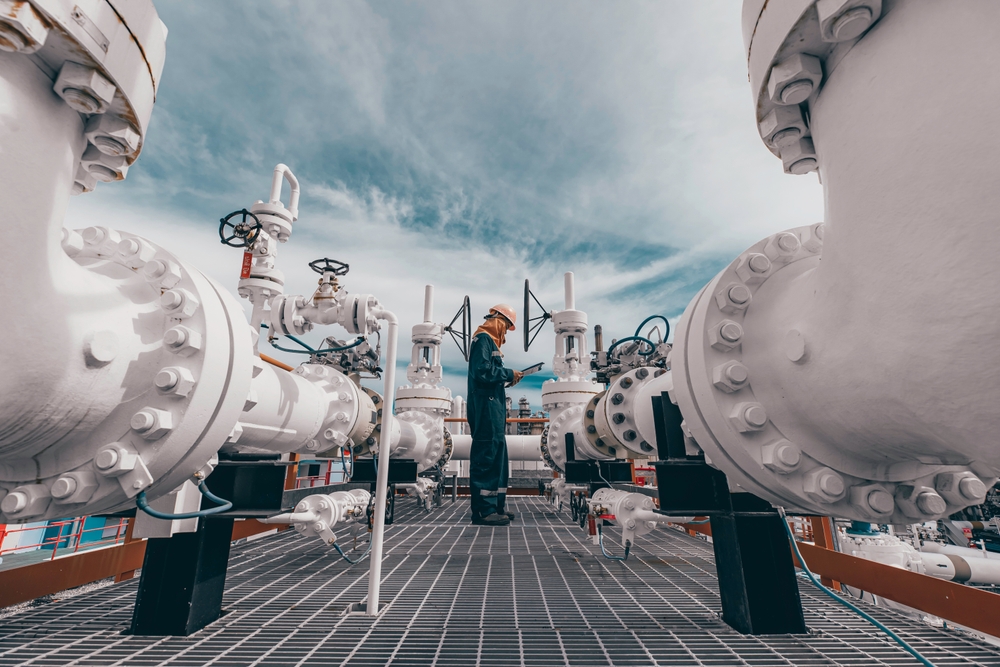
Male,Worker,Inspection,At,Steel,Long,Pipes,And,Pipe,Elbow

Don’t Wait for a Failure—Be Prepared With US RUBBER

A rubber lining failure can disrupt operations, introduce safety hazards, and create costly downtime. But with the right response plan and experienced support, facilities can recover quickly and safely.

At US Rubber, we specialize in emergency industrial rubber lining repair and long-term containment protection. Whether you’re dealing with a sudden rubber lining leak or want to proactively inspect your lining systems, our team is ready to help.

If you suspect a rubber lining failure, contact US Rubber rubber lining specialists today for expert inspection and repair services.

A Guide to Rubber Lining Quality Control in Industrial Environments

A Guide to Rubber Lining Quality Control in Industrial Environments

In harsh industrial environments like chemical processing plants, mining operations, and water treatment facilities, equipment is constantly exposed to corrosive chemicals and abrasive materials. Rubber lining is a critical protective barrier, shielding tanks, pipes, and vessels from damage and costly downtime.

However, the benefits of rubber lining are only as strong as the quality control behind it. Even the best materials can fail without proper planning, installation, and inspection, leading to leaks, contamination, or even full system shutdowns.

This guide outlines the key steps of rubber lining quality control. These best practices will help ensure long-lasting protection and reliable performance in the field.

5 Steps to Ensuring Rubber Lining Quality Control

Step 1. Surface Preparation: The Foundation of Quality

Proper surface preparation is the foundation of every successful rubber lining application. Cutting corners here can compromise the integrity of the entire job.

Before any rubber can be applied, the surface must be completely clean and ready to bond. This includes:

  • Degreasing to remove oils, residues, or contaminants that could interfere with adhesion.
  • Abrasive blasting to eliminate rust, mill scale, and old coatings, creating a uniform, roughened surface.

The goal is to achieve the correct anchor profile — the textured surface that allows the rubber lining to grip effectively. If the profile is too smooth or uneven, it increases the risk of delamination, blistering, or premature failure under pressure or chemical exposure.

Disregarding surface prep is one of the most common—and most costly—mistakes in industrial rubber lining. Taking the time to do it right ensures a reliable bond and extends the life of your equipment.

    2. Material Selection: Match the Rubber to the Job

    Not all rubber linings are created equal, and choosing the wrong one can lead to rapid deterioration, system failure, and expensive rework. To ensure long-term performance, the rubber lining material must be carefully matched to the application’s demands.

    Key factors to consider include:

    • Chemical exposure – Will the lining be in contact with acids, alkalis, solvents, or other corrosive substances?
    • Operating temperature – Can the material handle the thermal conditions of the environment without degrading?
    • Abrasion and impact – Is the lining tough enough to withstand heavy wear or aggressive slurry flow?
    • Pressure conditions – Will the lining maintain its bond and integrity under constant or fluctuating pressure?

    Common rubber lining materials include:

    • Natural rubber – Excellent abrasion resistance and elasticity; ideal for wear protection in slurry handling.
    • Chlorobutyl – Strong chemical resistance and good heat tolerance; often used in chemical storage tanks.
    • Neoprene – Offers moderate chemical resistance and flexibility; a good all-around option for general applications.

    Whatever the choice, always verify material certifications to ensure the rubber lining meets the required specifications and standards. 

      3. Rubber Lining Installation: Best Practices

      Once the surface prep is complete and the right material is selected, it’s time for installation. Proper rubber lining installation ensures a uniform, long-lasting barrier that can withstand the rigors of industrial use.

      Techniques Matter:

      Different lining applications call for different installation methods, including:

      • Hand lay-up – Common for on-site or complex geometries; requires attention to detail to ensure complete coverage and proper adhesion.
      • Autoclave vulcanization – Used in shop settings for a controlled, high-performance bond through heat and pressure.
      • Cold bonding – A chemical cure method that allows flexibility for specific field installations, but demands precise handling and surface conditions.

      Regardless of method, quality control hinges on controlling key variables such as:

      • Thickness – Consistent across the surface to avoid weak spots.
      • Overlaps and joints – Properly staggered and sealed to prevent delamination.
      • Edge terminations – Smooth, reinforced edges reduce the risk of peeling or wear at the margins.

      Environmental Controls During Application:

      Even a flawless application can fail if environmental conditions aren’t monitored. Humidity, temperature, and airborne contaminants can all affect bonding and curing.

      Best practices for on-site environmental control include:

      • Climate control – Keep temperature and humidity within recommended ranges.
      • Dust control and ventilation – Minimize airborne particles that could interfere with adhesion.
      • Work timing – Avoid applying linings during shifts in temperature or when conditions fluctuate rapidly.

      Maintaining these controls ensures consistent curing and strong adhesion. That’s why environment monitoring should be part of every rubber lining quality control checklist — especially in field applications where conditions are less predictable.

      4. Inspection & Testing: Keep Things Safe

      Even the most carefully installed rubber lining must undergo thorough inspection and testing to ensure it meets performance and safety standards. Skipping or rushing this step can allow hidden defects to go unnoticed, leading to system failures later on.

      Key Inspection Checkpoints:

      A comprehensive rubber lining inspection includes multiple checkpoints throughout the process:

      • Visual inspection – Identify surface flaws such as wrinkles, bubbles, trapped debris, or edge lifting.
      • Spark testing – Detect pinholes or voids in the lining using a high-voltage spark tester.
      • Adhesion testing – Verify bond strength between the lining and substrate, typically using pull-off or peel tests.
      • Thickness checks – Ensure lining is applied to spec, using gauges to confirm uniformity across the entire surface.

      Milestones in the Inspection Process:

      To catch issues early, inspections should be staged at critical points:

      • Post-application – Confirm proper layout, overlaps, and seam integrity before curing.
      • Pre-cure and post-cure testing – Ensure the lining has been applied and cured according to manufacturer guidelines.
      • Final quality assurance signoff – Confirm the system is ready for service and fully compliant with project requirements.

      What to Look For:

      Common defects in rubber lining include:

      • Blisters or bubbles – Often caused by trapped air or moisture.
      • Voids or holidays – Gaps in coverage that can lead to leaks or chemical exposure.
      • Undercure – Incomplete curing of the lining, which can lead to softness, poor adhesion, and premature wear.

      Addressing these issues early ensures your rubber lining performs as expected under pressure — literally.

      Safety Considerations Throughout the Process:

      Inspection and installation both involve hazards that require strict safety protocols. These include:

      • PPE – Wear gloves, goggles, and respirators during surface prep, bonding, and inspection.
      • Proper handling – Adhesives and curing chemicals may emit fumes or be flammable.
      • Extra precautions – Have standby supervision in confined spaces like tanks or vessels.

      Integrating safety into every phase of the rubber lining process protects your crew, equipment, and project timeline.

      Step 5. Documentation & Traceability: Support Long-Term Performance

      Rubber lining quality control doesn’t end with the final inspection. You need to have a clear, traceable record of every step taken. Thorough documentation helps verify compliance with customer and regulatory requirements.

      Why Documentation Matters:

      When something goes wrong, documentation provides the proof needed to troubleshoot the issue or demonstrate that procedures were followed correctly. It also makes it easier to track material performance over time to plan replacements or repairs.

      What to Include:

      Effective documentation for rubber lining projects should capture the following:

      • Surface prep photos – Visual confirmation that blasting and cleaning were done correctly.
      • Material batch numbers – These are used to track product performance or address warranty claims.
      • Application details – Dates, installers, methods used, ambient conditions, and cure times.
      • Test results – Spark testing logs, adhesion test results, and thickness readings.
      • Inspection checklists – Signed by QA personnel to confirm all milestones were completed.

      Supporting Long-Term Performance

      This level of detail not only protects your project during commissioning — it also supports long-term asset management. When future inspections or repairs are needed, your team will know what materials were used, how they were applied, and what conditions were present during installation.

      Quality Control Starts with the Right Partner

      When it comes to getting it right, experience matters. At US Rubber, we help industrial operations protect their most valuable assets with expert rubber lining solutions, quality control support, and a commitment to long-term reliability.

      Need help with your next rubber lining project? Contact US Rubber to speak with a specialist or request a quote today.

      rubber lining quality control<br />