Rubber linings do a fantastic job protecting tanks, pipes, and process equipment from corrosion, abrasion, and chemical attack. However, the quality of that protection depends heavily on one factor: the rubber lining installer responsible for the job.
Choosing the right rubber lining installer isn’t just about finding a company that can perform rubber lining installation, it’s about selecting a partner with the experience, technical expertise, and attention to detail needed to deliver long-term performance. Choosing the wrong installer can lead to costly downtime, premature failures, and expensive repairs.
Let’s review the essential criteria for evaluating rubber lining contractors, from certifications and application methods to material quality and safety practices.
Choosing a Rubber Lining Installer: 7 Key Factors
1. Experience and Industry Expertise
When it comes to rubber lining installation, experience matters. A seasoned rubber lining installer brings years of hands-on knowledge working with different rubber compounds, curing processes, and application environments such as chemical plants, mining facilities, or wastewater treatment systems.
Look for rubber lining contractors with a proven track record across multiple industries. This demonstrates their ability to adapt their rubber lining installation process to different project demands and operating conditions.
What to ask:
- How long has the company been installing rubber linings?
- What types of equipment and environments have they worked with?
- Can they provide project references or case studies?
Choosing an experienced rubber lining installer helps ensure your lining performs reliably under demanding industrial conditions.
2. Specialization in Rubber Lining
Not every coating contractor is a true rubber lining installer. Rubber lining is a specialized process that requires detailed knowledge of rubber materials, surface preparation, bonding procedures, and curing methods.
Partnering with experienced rubber lining contractors who focus specifically on rubber lining installation ensures you’re working with professionals familiar with common failure points and best practices.
Why it matters:
- Specialized crews are trained in rubber-specific prep and application.
- Fewer installation errors mean fewer costly repairs or rework.
- You get better performance and longer service life from your lining.
When evaluating companies, prioritize a rubber lining installer whose core expertise is rubber, not a general contractor offering it as a secondary service.
3. Certifications and Compliance
While rubber lining may seem simple, the rubber lining installation process involves strict technical standards. Improper surface preparation or curing can result in premature lining failure.
Professional rubber lining contractors invest heavily in training and certifications to ensure their crews follow industry best practices. Working with a certified rubber lining installer ensures accountability, quality control, and regulatory compliance.
What to look for:
- Certified applicators trained in rubber lining procedures
- OSHA-compliant safety programs and confined space protocols
- Documentation of inspection, testing, and quality control procedures
Choosing a certified rubber lining installer protects your equipment investment and helps prevent future lining failures.
4. Equipment and Application Technology
Even the most skilled rubber lining installer relies on advanced equipment to perform high-quality rubber lining installation. Every stage, from surface preparation to curing, requires precision and the right tools.
Leading rubber lining contractors invest in advanced application and testing technology, including sandblasting equipment, spark testing tools, pressure testing systems, and autoclave curing systems.
Why it matters:
- Proper surface prep ensures long-term adhesion.
- In-shop linings benefit from controlled environments and advanced curing methods.
- Spark testing and thickness checks help confirm installation quality.
When evaluating a rubber lining installer, ask whether they provide both field and shop lining services and what quality control technologies they use.
5. Material Quality and Compatibility
The success of any rubber lining installation depends heavily on selecting the correct rubber compound. Different environments require materials with specific properties, including chemical resistance, abrasion resistance, flexibility, and temperature tolerance.
A knowledgeable rubber lining installer will evaluate your operating environment and recommend materials suited to your system. Experienced rubber lining contractors understand how rubber formulations behave under chemical exposure, pressure changes, and mechanical stress.
What to consider:
- Is the rubber compound rated for your chemical exposure?
- Does it meet the temperature and pressure demands of your system?
- Are the materials sourced from reputable suppliers?
Working with an experienced rubber lining installer ensures the lining material and installation process are properly matched to your application.
6. Project Management & Installation Process
A reliable rubber lining installer should manage the entire rubber lining installation process from start to finish. Effective project management ensures the job stays on schedule, meets safety requirements, and delivers consistent quality.
Professional rubber lining contractors coordinate closely with facility teams to minimize downtime and ensure smooth project execution.
What to look for:
- A defined project scope and timeline
- Regular progress updates and responsive communication
- Post-installation inspection and quality assurance
Strong communication and structured processes are key indicators of a dependable rubber lining installer.
7. Safety Practices
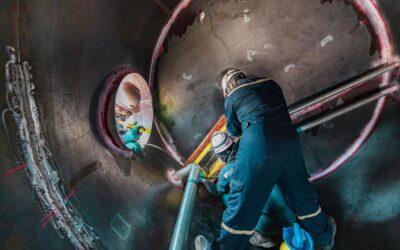
Rubber lining installation often occurs in challenging environments such as confined spaces, elevated platforms, and chemical processing areas. Because of these risks, safety must be a core priority for any rubber lining installer.
Reputable rubber lining contractors maintain strict safety programs and documented protocols for hazardous work environments.
Key safety considerations:
- Are crew members certified for confined space work?
- Do they conduct safety briefings and site-specific hazard assessments?
- Can they provide proof of insurance and EMR (Experience Modification Rate)?
A safety-focused rubber lining installer helps protect both personnel and equipment during complex industrial projects.
Why US RUBBER Is the Best Rubber Lining Installer
When searching for a dependable rubber lining installer, US RUBBER stands out as a trusted industry partner.
We specialize in 24/7 rubber lining installation and repair services, providing rapid response for both planned projects and emergency repairs. Our experienced crews and modern equipment allow us to deliver high-quality results across a wide range of industrial environments.
Facilities seeking experienced rubber lining contractors often rely on US Rubber rubber lining specialists to deliver long-lasting corrosion protection.
Here’s what sets US RUBBER apart:
- Experienced field crews with decades of hands-on installation and repair expertise
- Shop services for tanks, vessels, agitators, and other specialty equipment
- Application expertise in a wide range of rubber compounds tailored to your process
- Advanced tools and testing methods for quality control and long-term performance
- Around-the-clock availability to keep your operation running smoothly
From chemical processing to mining and beyond, US RUBBER is the trusted partner companies rely on for dependable, application-specific rubber linings.
Don’t Leave Your Rubber Lining to Chance
Selecting the right rubber lining installer is one of the most important decisions when protecting tanks, vessels, and process equipment. Working with experienced rubber lining contractors ensures your rubber lining installation meets industry standards and delivers reliable performance.
At US RUBBER, we bring decades of experience, advanced technology, and a commitment to quality to every project. If you’re looking for an experienced rubber lining installer for your next project, our team is ready to help.
Contact us today to learn more about our rubber lining services or to request a quote.