CALL US TODAY! (225) 647-2747

CAREER OPPORTUNITIES 

5 Benefits of Rubber Lining for Mining Tanks and Equipment

5 Benefits of Rubber Lining for Mining Tanks and Equipment

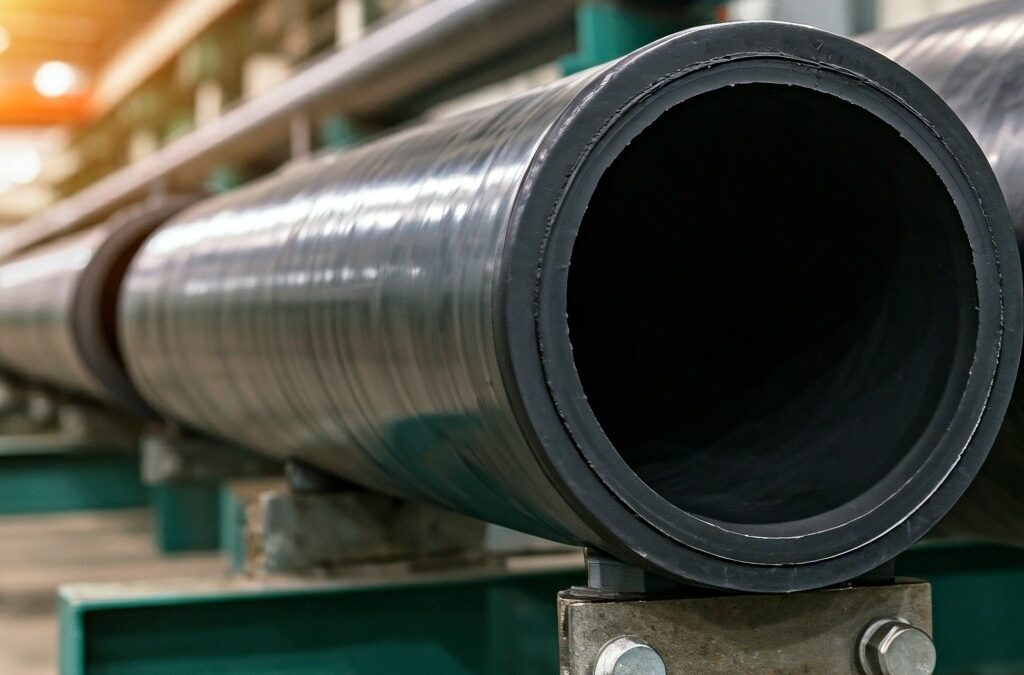
Mining operations can take a beating on equipment. Tanks, pipes, and transfer systems are affected daily by corrosive chemicals and highly abrasive slurries. Without proper protection, that wear and tear leads to frequent breakdowns, costly repairs, and unsafe working conditions.

Rubber linings provide a proven solution. By acting as a durable barrier between harsh materials and equipment surfaces, rubber linings extend the service life of critical components, reduce maintenance needs, and support safer, more efficient operations.

In this blog, we’ll explore five key benefits of using rubber linings for mining and explain why they’re a wise investment for any mining operation.

Rubber Lining for Mining: The 5 Main Benefits

#1: Corrosion Resistance in Harsh Mining Conditions

Mining often involves handling acidic solutions, caustic chemicals, and other aggressive materials that can corrode unprotected steel surfaces. Over time, corrosion weakens equipment, causes leaks, and leads to costly failures.

Rubber linings act as a chemical-resistant barrier to protect tanks, vessels, and pipes from corrosive attack. Their flexibility allows them to expand and contract with the substrate, maintaining a tight seal and long-term protection.

Whether storing reagents or transferring process fluids, corrosion-resistant rubber lining helps safeguard your infrastructure and reduce the risk of unplanned downtime.

#2: Abrasion Protection for Slurry Systems

Slurry isn’t just messy—it’s highly abrasive. This constant mix of water, rock, and minerals moving through pipes and tanks can quickly grind down unlined equipment.

Rubber linings absorb impact and resist wear, and provide a protective shield between abrasive materials and the equipment’s surface. This added layer dramatically slows down the rate of erosion, extending the lifespan of components like chutes, hoppers, and slurry lines.

If your operation relies on continuous slurry movement, rubber linings for slurry transfer help prevent leaks, minimize failures, and keep production running smoothly.

#3. Lower Maintenance and Replacement Costs

Unplanned maintenance is one of the most significant cost drivers in mining operations. Frequent equipment repairs, replacements, and downtime can quickly eat into your budget and productivity.

Rubber-lined equipment is more resistant to wear and chemical attack, meaning fewer repairs, fewer frequent part replacements, and longer service intervals. This translates to reduced labor, fewer shutdowns, and a more predictable maintenance schedule.

By investing in rubber linings upfront, mining operations can realize long-term savings and improve overall equipment reliability.

#4. Improved Safety and Environmental Protection

When equipment fails, the consequences go beyond lost production. Leaks, ruptures, and exposure to hazardous materials can put workers at risk and lead to environmental damage.

Rubber linings help maintain the integrity of tanks and slurry systems, reducing the risk of spills and equipment failure. Since they contain abrasive and corrosive materials, rubber linings contribute to a safer worksite and help prevent contamination of nearby soil or water sources.

In an industry where safety and environmental compliance are non-negotiable, rubber lining is a proactive solution.

#5. Enhanced Efficiency in Mining Operations

Efficiency is everything in mining. The smoother your systems run, the more product you can move, and the lower your energy costs will be. 

Rubber linings help reduce internal friction and turbulence in pipes and tanks, allowing slurry to flow more easily. That means less energy is required to pump materials through your system, which not only improves throughput but also lowers operational costs.

Rubber linings help your operation run more efficiently by keeping equipment in better condition and supporting consistent flow.

Long-Term Value: Why Rubber Linings Are a Smart Investment for Your Business

Rubber linings aren’t just about protection—they’re about performance and profitability over the long haul.

When properly installed and maintained, rubber linings can serve your operation for years, offering one of the most cost-effective ways to protect your infrastructure and avoid unnecessary downtime.

Here’s how they deliver long-term value:

  • Extend equipment lifespan by protecting against corrosion, abrasion, and chemical attack
  • Reduce maintenance frequency and the need for costly emergency repairs
  • Improve operational efficiency by optimizing slurry flow and minimizing energy use
  • Avoid hidden costs like downtime, safety risks, and environmental violations
  • Maximize ROI through long-lasting protection and lower total cost of ownership

Protect Your Equipment and Maximize Uptime with U.S. Rubber Lining Services

At U.S. Rubber, we deliver turnkey rubber lining solutions backed by over 35 years of experience across the most demanding industries, including mining, steel, petrochemical, and nuclear.

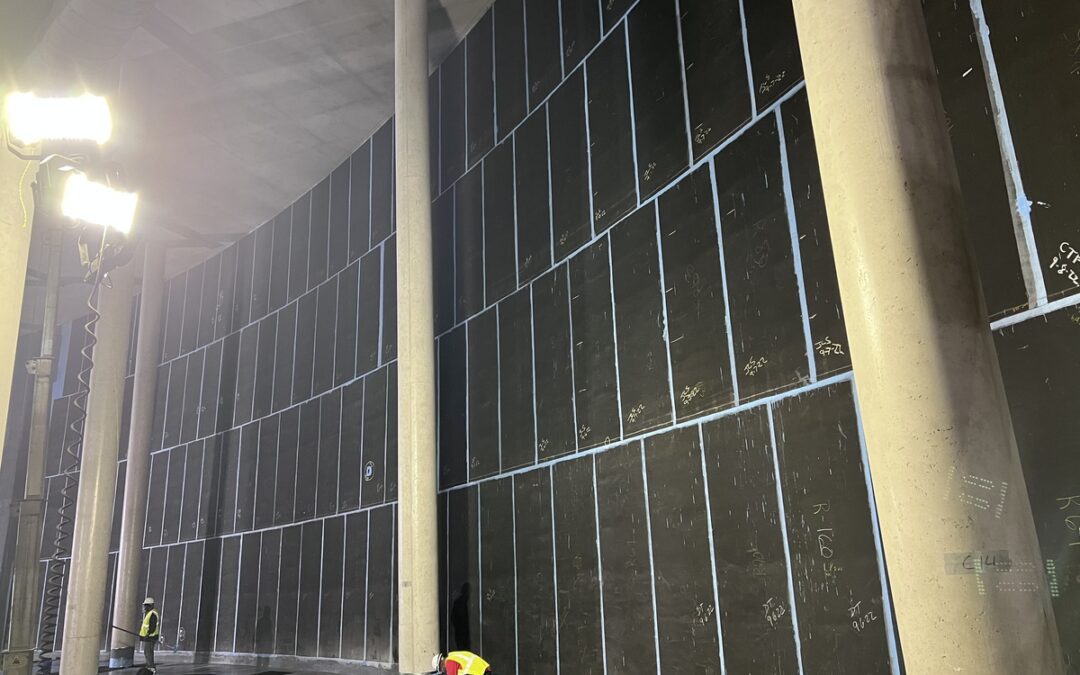
Whether you need in-field repairs or full rubber lining installations, our expert crews and state-of-the-art 75,000 sq. ft. facility can handle projects of any size or complexity. We fabricate and line tanks, vessels, piping, and more—all to exacting industry standards (ASME, API, NACE).

Ready to reinforce your mining operation?

Contact us to request a quote and see how our rubber lining solutions can protect your investment, optimize your systems, and keep your operation moving.


What To Do During Rubber Lining Failure: A Step-by-Step Guide

What To Do During Rubber Lining Failure: A Step-by-Step Guide

Rubber linings are the unsung heroes of industrial systems—protecting tanks, pipes, and vessels from corrosion, abrasion, and chemical attack. But when a rubber lining fails, it can bring your operation to a grinding halt. Leaks, system contamination, environmental hazards, and safety risks can escalate quickly, especially in facilities handling aggressive or hazardous materials.

That’s why having a clear, step-by-step response plan is essential. In this guide, we’ll walk you through exactly what to do during rubber lining failure so you can get back up and running fast.

What To Do When Rubber Lining Problems Arise: 6 Essential Steps

When a rubber lining fails, acting quickly and strategically can be the difference between a minor interruption and a major shutdown. Whether you’re dealing with a small leak or significant rubber lining damage, these six steps will help you minimize risk, protect your team, and get your system back online.

Step 1: Know the Warning Signs of Rubber Lining Failure

Before a rubber lining failure becomes a full-blown emergency, there are often early indicators that something’s wrong. Keep an eye out for these signs to help you catch problems before they escalate:

  • Cracks, blisters, or bubbling on the lining surface
  • Visible leaks or seepage from tanks, pipes, or containment systems
  • Sudden changes in pressure or flow during operation
  • Discoloration, unusual odors, or residue around the lining

These symptoms typically signal degradation or damage to the lining—and ignoring them could lead to more extensive failures. If you notice any of the above, treat it as a red flag and begin your response plan immediately.

    Step 2: Take Immediate Safety Precautions

    Once you’ve identified a rubber lining leak or failure, safety comes first. A minor breach can expose your team and facility to harmful chemicals, hazardous materials, or slippery surfaces. Don’t wait—take swift action:

    • Shut down the affected system to stop the flow of materials and prevent further damage.
    • Alert your safety team and initiate your facility’s emergency protocols.
    • Evacuate or secure the area if there’s a risk of exposure, contamination, or injury.

    Always treat rubber lining failure as an emergency until a qualified professional can assess the situation. These early actions protect your team and set the stage for an effective repair process.

    Step 3: Contain the Spill or Leak (If Safe to Do So)

    If the situation allows and it’s safe for trained personnel to act, the next priority is containing the spill or leak to limit exposure and environmental impact. Swift containment will help to reduce downtime and clean-up costs and, of course, protect workers.

    Here’s what to do:

    • Use secondary containment systems already in place (such as dikes or spill berms).
    • Deploy absorbent materials or spill kits to soak up leaked material and prevent it from spreading.
    • Block off or redirect any floor drains or runoff paths to keep hazardous substances from entering water systems or sensitive areas.

    Throughout this step, ensure your actions comply with OSHA and EPA standards. Improper spill response can lead to serious safety violations, environmental fines, and long-term reputational damage.

    Step 4: Document the Damage

    Once the immediate threat is under control, it’s time to document the incident. Accurate records will support your internal review and help with insurance claims, compliance reporting, and faster repair turnaround.

    Be sure to:

    • Take clear photos and videos of the damaged lining, any leaks, and the surrounding area.
    • Record operational data before and after the failure, including pressure readings, temperature logs, flow rates, etc.
    • Create a detailed timeline of what happened, when it was discovered, and what actions were taken.

    The more detailed your documentation, the easier it will be for your repair team—like US Rubber—to assess the situation and recommend the best path forward.

    Step 5: Contact a Qualified Rubber Lining Repair Partner

    Experience matters when facing a rubber lining failure. Partnering with a professional repair team like US Rubber ensures the problem is properly assessed, contained, and fixed the right way, fast.

    Here’s why working with experts is essential:

    • They understand how to navigate complex rubber lining damage
    • They have the tools and training to provide emergency rubber lining repair
    • They know how to work quickly without compromising safety or quality

    To speed up the process, be ready to share:

    • Photos and videos of the damaged area
    • Your documented timeline of events
    • Liner specifications, system details, and any relevant site drawings

    At US Rubber, we specialize in rapid response for rubber lining leaks and failures to minimize downtime and get back to business with confidence.

    Step 6: Assess the Root Cause and Prevent Future Failures

    Once the immediate repair is handled, we highly recommend that you investigate why the failure occurred in the first place. Understanding the root cause is key to avoiding repeat issues and protecting your operation long-term.

    Work with your repair partner, like US Rubber, to:

    • Identify the cause of failure, whether it was a chemical attack, abrasion, thermal cycling, age-related degradation, or poor installation
    • Conduct a full inspection of the lining system and surrounding equipment for additional vulnerabilities
    • Implement long-term solutions, such as upgraded rubber lining materials, preventive maintenance programs, or on-site staff training.

    The goal isn’t just to fix the problem—it’s to strengthen your system against future risks and extend the life of your lining.

    Male,Worker,Inspection,At,Steel,Long,Pipes,And,Pipe,Elbow

    Don’t Wait for a Failure—Be Prepared With US RUBBER

    Rubber lining failures can be disruptive, dangerous, and costly—but with the right plan in place, they don’t have to be catastrophic. By acting quickly, following safety protocols, and partnering with experienced professionals, you can minimize downtime and protect your people, equipment, and environment.

    At US Rubber, we’re more than a repair service—we’re your go-to partner for emergency rubber lining repair and long-term system reliability. Whether you’re facing an urgent leak or want to proactively assess your lining’s condition, we’re here to help.

    Do you think you might have a rubber lining problem? Contact US Rubber for emergency repair or a professional inspection today.

    A Guide to Rubber Lining Quality Control in Industrial Environments

    A Guide to Rubber Lining Quality Control in Industrial Environments

    In harsh industrial environments like chemical processing plants, mining operations, and water treatment facilities, equipment is constantly exposed to corrosive chemicals and abrasive materials. Rubber lining is a critical protective barrier, shielding tanks, pipes, and vessels from damage and costly downtime.

    However, the benefits of rubber lining are only as strong as the quality control behind it. Even the best materials can fail without proper planning, installation, and inspection, leading to leaks, contamination, or even full system shutdowns.

    This guide outlines the key steps of rubber lining quality control. These best practices will help ensure long-lasting protection and reliable performance in the field.

    5 Steps to Ensuring Rubber Lining Quality Control

    Step 1. Surface Preparation: The Foundation of Quality

    Proper surface preparation is the foundation of every successful rubber lining application. Cutting corners here can compromise the integrity of the entire job.

    Before any rubber can be applied, the surface must be completely clean and ready to bond. This includes:

    • Degreasing to remove oils, residues, or contaminants that could interfere with adhesion.
    • Abrasive blasting to eliminate rust, mill scale, and old coatings, creating a uniform, roughened surface.

    The goal is to achieve the correct anchor profile — the textured surface that allows the rubber lining to grip effectively. If the profile is too smooth or uneven, it increases the risk of delamination, blistering, or premature failure under pressure or chemical exposure.

    Disregarding surface prep is one of the most common—and most costly—mistakes in industrial rubber lining. Taking the time to do it right ensures a reliable bond and extends the life of your equipment.

      2. Material Selection: Match the Rubber to the Job

      Not all rubber linings are created equal, and choosing the wrong one can lead to rapid deterioration, system failure, and expensive rework. To ensure long-term performance, the rubber lining material must be carefully matched to the application’s demands.

      Key factors to consider include:

      • Chemical exposure – Will the lining be in contact with acids, alkalis, solvents, or other corrosive substances?
      • Operating temperature – Can the material handle the thermal conditions of the environment without degrading?
      • Abrasion and impact – Is the lining tough enough to withstand heavy wear or aggressive slurry flow?
      • Pressure conditions – Will the lining maintain its bond and integrity under constant or fluctuating pressure?

      Common rubber lining materials include:

      • Natural rubber – Excellent abrasion resistance and elasticity; ideal for wear protection in slurry handling.
      • Chlorobutyl – Strong chemical resistance and good heat tolerance; often used in chemical storage tanks.
      • Neoprene – Offers moderate chemical resistance and flexibility; a good all-around option for general applications.

      Whatever the choice, always verify material certifications to ensure the rubber lining meets the required specifications and standards. 

        3. Rubber Lining Installation: Best Practices

        Once the surface prep is complete and the right material is selected, it’s time for installation. Proper rubber lining installation ensures a uniform, long-lasting barrier that can withstand the rigors of industrial use.

        Techniques Matter:

        Different lining applications call for different installation methods, including:

        • Hand lay-up – Common for on-site or complex geometries; requires attention to detail to ensure complete coverage and proper adhesion.
        • Autoclave vulcanization – Used in shop settings for a controlled, high-performance bond through heat and pressure.
        • Cold bonding – A chemical cure method that allows flexibility for specific field installations, but demands precise handling and surface conditions.

        Regardless of method, quality control hinges on controlling key variables such as:

        • Thickness – Consistent across the surface to avoid weak spots.
        • Overlaps and joints – Properly staggered and sealed to prevent delamination.
        • Edge terminations – Smooth, reinforced edges reduce the risk of peeling or wear at the margins.

        Environmental Controls During Application:

        Even a flawless application can fail if environmental conditions aren’t monitored. Humidity, temperature, and airborne contaminants can all affect bonding and curing.

        Best practices for on-site environmental control include:

        • Climate control – Keep temperature and humidity within recommended ranges.
        • Dust control and ventilation – Minimize airborne particles that could interfere with adhesion.
        • Work timing – Avoid applying linings during shifts in temperature or when conditions fluctuate rapidly.

        Maintaining these controls ensures consistent curing and strong adhesion. That’s why environment monitoring should be part of every rubber lining quality control checklist — especially in field applications where conditions are less predictable.

        4. Inspection & Testing: Keep Things Safe

        Even the most carefully installed rubber lining must undergo thorough inspection and testing to ensure it meets performance and safety standards. Skipping or rushing this step can allow hidden defects to go unnoticed, leading to system failures later on.

        Key Inspection Checkpoints:

        A comprehensive rubber lining inspection includes multiple checkpoints throughout the process:

        • Visual inspection – Identify surface flaws such as wrinkles, bubbles, trapped debris, or edge lifting.
        • Spark testing – Detect pinholes or voids in the lining using a high-voltage spark tester.
        • Adhesion testing – Verify bond strength between the lining and substrate, typically using pull-off or peel tests.
        • Thickness checks – Ensure lining is applied to spec, using gauges to confirm uniformity across the entire surface.

        Milestones in the Inspection Process:

        To catch issues early, inspections should be staged at critical points:

        • Post-application – Confirm proper layout, overlaps, and seam integrity before curing.
        • Pre-cure and post-cure testing – Ensure the lining has been applied and cured according to manufacturer guidelines.
        • Final quality assurance signoff – Confirm the system is ready for service and fully compliant with project requirements.

        What to Look For:

        Common defects in rubber lining include:

        • Blisters or bubbles – Often caused by trapped air or moisture.
        • Voids or holidays – Gaps in coverage that can lead to leaks or chemical exposure.
        • Undercure – Incomplete curing of the lining, which can lead to softness, poor adhesion, and premature wear.

        Addressing these issues early ensures your rubber lining performs as expected under pressure — literally.

        Safety Considerations Throughout the Process:

        Inspection and installation both involve hazards that require strict safety protocols. These include:

        • PPE – Wear gloves, goggles, and respirators during surface prep, bonding, and inspection.
        • Proper handling – Adhesives and curing chemicals may emit fumes or be flammable.
        • Extra precautions – Have standby supervision in confined spaces like tanks or vessels.

        Integrating safety into every phase of the rubber lining process protects your crew, equipment, and project timeline.

        Step 5. Documentation & Traceability: Support Long-Term Performance

        Rubber lining quality control doesn’t end with the final inspection. You need to have a clear, traceable record of every step taken. Thorough documentation helps verify compliance with customer and regulatory requirements.

        Why Documentation Matters:

        When something goes wrong, documentation provides the proof needed to troubleshoot the issue or demonstrate that procedures were followed correctly. It also makes it easier to track material performance over time to plan replacements or repairs.

        What to Include:

        Effective documentation for rubber lining projects should capture the following:

        • Surface prep photos – Visual confirmation that blasting and cleaning were done correctly.
        • Material batch numbers – These are used to track product performance or address warranty claims.
        • Application details – Dates, installers, methods used, ambient conditions, and cure times.
        • Test results – Spark testing logs, adhesion test results, and thickness readings.
        • Inspection checklists – Signed by QA personnel to confirm all milestones were completed.

        Supporting Long-Term Performance

        This level of detail not only protects your project during commissioning — it also supports long-term asset management. When future inspections or repairs are needed, your team will know what materials were used, how they were applied, and what conditions were present during installation.

        Quality Control Starts with the Right Partner

        When it comes to getting it right, experience matters. At US Rubber, we help industrial operations protect their most valuable assets with expert rubber lining solutions, quality control support, and a commitment to long-term reliability.

        Need help with your next rubber lining project? Contact US Rubber to speak with a specialist or request a quote today.

        rubber lining quality control<br />
        3 Strategies for Rubber Lining Weather Protection Against Extreme Temperatures

        3 Strategies for Rubber Lining Weather Protection Against Extreme Temperatures

        ​Rubber linings play a pivotal role in various industrial applications, serving as protective barriers for pipes, tanks, valves, and other machinery components. They shield from corrosion, abrasion, and chemical exposure. 

        However, extreme temperatures present significant challenges to the integrity of these linings. In cold environments, rubber materials can become stiff and brittle, leading to cracking and potential failure. High temperatures can cause thermal degradation, resulting in softening, blistering, or loss of mechanical properties. ​

        We’re here to tell you everything you need to know about rubber lining weather protection. 

        Understanding the Impact of Extreme Temperatures on Rubber Linings

        Understanding the effects of temperature extremes on rubber linings is crucial for maintaining their protective functions and extending your equipment lifespan.

        Effects of Cold Temperatures

        Exposure to extremely low temperatures can cause rubber materials to stiffen and become brittle, increasing the risk of cracking and potential failure. This brittleness occurs because cold temperatures reduce the flexibility of the polymer chains within the rubber, making it more susceptible to mechanical stress. 

        The specific temperature at which rubber becomes brittle varies depending on the material:​

        • EPDM (Ethylene Propylene Diene Monomer): Typically remains flexible to approximately -40°F (-40°C). Below this, it may harden and lose elasticity, leading to potential damage. ​
        • Silicone Rubber: Depending on the specific formulation, it can remain flexible down to -100°F (-73°C) or lower. ​
        • Nitrile Rubber (NBR): Generally maintains flexibility down to -30°F (-34°C). Below this threshold, it becomes increasingly brittle.

        Effects of High Temperatures

        Elevated temperatures can lead to thermal oxidation, which degrades rubber linings. This process may cause softening, blistering, or a loss of mechanical properties, compromising the lining’s protective capabilities. Prolonged heat exposure accelerates these deteriorative effects, reducing the rubber lining’s service life.

        The maximum service temperature varies by rubber type:​

        • EPDM: Suitable for continuous use up to approximately 300°F (149°C). Beyond this, degradation becomes more likely. ​
        • Silicone Rubber: Depending on the formulation, it can withstand temperatures up to 480°F (250°C) or higher. 
        • Nitrile Rubber (NBR): Suitable for continuous use up to around 250°F (121°C).

        3 Strategies for Rubber Lining Weather Protection

        Industries must take proactive steps to protect rubber linings from extreme temperatures to ensure they maintain their protective properties.

        1. Select Appropriate Rubber Materials:

        • Chlorobutyl: Offers excellent heat resistance and low gas permeability, making it ideal for high-temperature applications.​
        • Hypalon (CSM – Chlorosulfonated Polyethylene): Provides superior resistance to UV radiation, ozone, and chemicals, suitable for prolonged outdoor exposure.​
        • Neoprene: Balances heat resistance and durability, commonly used where moderate temperature fluctuations occur.​
        • Silicone Rubber: Excels in both high and low temperatures, maintaining flexibility across a broad temperature range.​
        • EPDM: Resistant to UV rays and extreme temperatures, making it suitable for long-term outdoor applications.​

        2. Implement Proper Storage Practices:

        • Shield from Sunlight and Ozone:
          • UV radiation and ozone can cause degradation. Avoid exposing rubber linings to direct sunlight or outdoor weathering for extended periods.
          • Store rubber-lined equipment indoors or use protective coverings to shield them from environmental factors.
        • Maintain Temperature-Controlled Storage:
          • Keep rubber lining storage areas at stable, moderate temperatures to prevent thermal stress.
          • Avoid sudden temperature changes to prevent rubber cracking or other damage.

        3. Conduct Regular Maintenance:

        • Perform Routine Inspections:
          • Schedule regular visual inspections to identify early signs of damage, such as surface cracks or blisters.
          • ASME generally recommends inspections at regular intervals, typically ranging from one to five years.
          • Use appropriate testing methods, like spark testing, to detect pinhole leaks or subsurface issues.
        • Apply Preventive Measures:
          • Apply protective coatings or paints to enhance resistance against environmental factors, including UV radiation and ozone.
          • Implement controlled rubber lining heat protection and rubber lining cold protection systems to maintain optimal operating temperatures and minimize thermal cycling effects.

        Count On Comprehensive Rubber Lining Services by US RUBBER

        For comprehensive solutions tailored to your specific needs, US RUBBER offers a range of services designed to enhance the durability and performance of your equipment. With expertise in rubber lining applications, we provide high-quality materials and professional installation to ensure optimal protection. 

        Our experienced field crews are available 24/7 for repairs and new tank linings, ensuring minimal downtime and prompt response to any issues. Our full-service shop is equipped with rubber line tanks, vessels, agitators, and other specialty items, providing versatile solutions for various industrial requirements.​

        When you partner with US RUBBER, you can rest assured that your equipment is well-protected, allowing you to focus on your operations with confidence.​

        How Rubber Lining for Water Treatment Equipment Offers Protection

        How Rubber Lining for Water Treatment Equipment Offers Protection

        Water treatment facilities rely on a complex network of tanks, pipes, and vessels to safely process and distribute clean water. However, these critical components face constant exposure to water, chemicals, and abrasive materials, leading to corrosion, leaks, and equipment failure over time.

        That’s where rubber lining for water treatment comes in. As a proven solution, rubber linings provide a durable, non-permeable barrier that shields equipment from chemical damage, wear, and leaks, ensuring long-term efficiency and reliability.

        Let’s explore how rubber-lined wastewater tanks and other water treatment components benefit from this advanced protective solution—and why investing in rubber lining is crucial for facilities looking to prevent damage.

        The Corrosion Challenge in Water Treatment Equipment

        Corrosion is one of the most significant threats to water treatment tanks, pipes, and vessels. Over time, exposure to water, harsh chemicals, and abrasive materials weakens metal surfaces. This leads to structural deterioration, leaks, and contamination risks. 

        If left unaddressed, corrosion can compromise system integrity, resulting in expensive repairs, operational downtime, and environmental hazards.

        Common Causes of Corrosion in Water Treatment Equipment:

        1. Water Exposure – Even treated water contains minerals and dissolved gases that accelerate oxidation and rust formation on unprotected metal surfaces.
        2. Chemical Reactions – Water treatment processes rely on strong acids, alkalis, and disinfectants, which can aggressively corrode metal tanks and piping over time.
        3. Abrasive Materials – Solid particles in wastewater and sludge can wear down the internal surfaces of pipes and tanks, leading to premature failure.

        The Solution: Rubber Linings

        Rubber linings for water treatment equipment provide a durable, long-lasting protective solution to combat the damaging effects of corrosion. They’re designed to withstand continuous exposure to water, chemicals, and abrasive materials. The linings form a non-permeable shield that preserves the integrity of tanks, pipes, and vessels.

        High-quality rubber linings in water treatment equipment prevent corrosion in water tanks by:

        • Non-Permeable Protection – Rubber linings create a watertight, chemical-resistant barrier that prevents moisture, acids, and other corrosive substances from penetrating metal surfaces.
        • High Resistance to Harsh Chemicals – Many water treatment processes involve strong acids, alkalis, and disinfectants that can degrade unprotected equipment. Rubber linings offer superior resistance to these substances, significantly reducing the risk of corrosion.
        • Impact and Abrasion Absorption – Solid particles and sludge can erode metal surfaces over time in wastewater treatment. Rubber linings act as a cushion, absorbing impact and minimizing wear caused by abrasive materials.
        • Custom Fit for Tanks, Pipes, and Vessels – Rubber linings can be tailored to fit the unique requirements of water treatment tanks, clarifiers, and chemical storage units, ensuring comprehensive protection across the entire system.

        Investing in rubber lining for water treatment can extend equipment lifespan, reduce maintenance costs, and prevent operational disruptions—making it an essential solution for long-term efficiency and reliability.

        How Wastewater Equipment Is Prone to Chemical Damage

        Water treatment facilities rely on various chemical processes to remove contaminants, neutralize harmful substances, and ensure clean water output. 

        However, many harsh chemicals—such as chlorine, sulfuric acid, and sodium hydroxide—can aggressively degrade unprotected tanks and pipes. Over time, chemical exposure leads to corrosion, leaks, and equipment failure.

        Chlorine can react with metal surfaces, causing pitting corrosion and structural weakening.

        Sulfuric Acid is highly corrosive and can quickly deteriorate unlined steel tanks.

        Sodium Hydroxide (Caustic Soda) can cause metal embrittlement over time.

        Without proper protection, water treatment tanks and piping systems can suffer from rapid degradation, leaks, and contamination risks, leading to expensive repairs and regulatory violations.

        How Rubber Lining is Effective Against Chemicals

        • Superior Chemical Resistance – Chlorobutyl and bromobutyl rubber linings are designed to withstand prolonged exposure to acidic, alkaline, and oxidizing chemicals without degrading.
        • Flexibility & Crack Resistance – Unlike some plastic coatings that become brittle over time, rubber linings remain flexible and resistant to cracking, ensuring long-term durability.
        • Custom Fit for Maximum Protection – Rubber linings can be seamlessly applied to pipes, clarifiers, storage tanks, and wastewater treatment vessels, ensuring complete coverage and protection against chemical attack.

        How Wastewater Equipment Is Prone to Leaks & Contamination Risks

        Leaks in wastewater treatment tanks, pipes, and vessels pose a serious environmental and facility operations risk. A single breach can lead to hazardous chemical spills, water contamination, and regulatory violations. 

        Leaks can release toxic chemicals and untreated wastewater into surrounding soil and water sources, harming ecosystems and public health.

        Water treatment facilities must meet strict industry regulations. A containment failure could lead to heavy fines, shutdowns, or legal liabilities.

        Continuous leaks can weaken metal tanks and pipes, increasing the risk of catastrophic failures and costly repairs.

        Preventing leaks is critical for maintaining system integrity and ensuring compliance with environmental and safety regulations.

        How Rubber Lining is Effective Against Leaks & Contamination

        • Seamless, Leak-Proof Protection – Rubber linings form a continuous, non-permeable barrier that seals tanks and pipes, preventing even minor leaks.
        • Chemical & Moisture Resistance – Unlike unlined metal, which can corrode over time, rubber linings withstand exposure to water, acids, and industrial chemicals without degrading.
        • Long-Term Durability – Rubber linings maintain flexibility, allowing them to expand and contract with temperature changes and pressure fluctuations, reducing the risk of cracks or seam failures
        water treatment system

        The 4 Key Benefits of Rubber Lining for Water Treatment Equipment

        Investing in rubber lining for water treatment provides long-term protection for tanks, pipes, and vessels, ensuring they withstand the harsh conditions of wastewater processing. Some of the main benefits of rubber lining include:

        1. Extends Equipment Lifespan

        • Reduces corrosion and wear, protecting metal surfaces from exposure to water, chemicals, and abrasive materials.
        • Increases the durability of tanks, pipes, and clarifiers, reducing the risk of early equipment failure.
        • Ensures long-term reliability, preventing structural damage.

        2. Reduces Maintenance Costs

        • Rubber linings significantly decrease the need for frequent repairs and replacements by preventing corrosion and leaks.
        • Less downtime for maintenance means greater operational efficiency and cost savings.
        • Helps preserve equipment’s structural integrity, avoiding premature investments in new tanks or piping.

        3. Enhances Environmental Protection

        • Leak prevention minimizes contamination risks, ensuring that wastewater and hazardous chemicals remain contained.
        • Protects surrounding ecosystems and groundwater from potential chemical exposure.
        • Reduces the risk of expensive environmental cleanup efforts caused by spills or leaks.

        4. Ensures Regulatory Compliance

        • Meets industry standards for wastewater treatment equipment protection.
        • Helps facilities comply with EPA, OSHA, and local wastewater treatment regulations.
        • Avoids penalties, fines, and legal consequences associated with non-compliance.

        The Bottom Line:

        • Rubber linings are an essential investment for water treatment facilities. They extend equipment lifespan, reduce maintenance costs, prevent contamination, and maintain regulatory compliance.
        • By choosing high-quality rubber lining solutions, treatment plants can operate safely, efficiently, and cost-effectively for years to come.

        US RUBBER: The Smartest Investment for Long-Lasting Water Treatment Equipment

        If you’re looking for high-quality rubber lining solutions, US RUBBER offers expert installation, top-tier materials, and customized solutions to meet your facility’s unique needs. With decades of experience, we provide reliable protection against corrosion, leaks, and chemical damage—helping your operation run smoothly and efficiently.

        Contact our team today to learn how rubber lining can safeguard your water treatment operations.

        Rubber Lining Repair vs. Replacement

        Rubber Lining Repair vs. Replacement

        Rubber linings are beneficial for protecting industrial equipment such as storage tanks, pipes, and processing vessels from corrosion. But over time, even the most durable rubber linings can deteriorate, leading to the important decision of whether to repair or replace them.

        Key Factors in Deciding Between Rubber Lining Repair and Replacement

        There are several key factors to consider when making this decision, including the age of the lining, extent of damage, and environmental conditions. By understanding these factors, businesses can ensure optimal tank lining maintenance.

        1. Age of the Rubber Lining

        While the lifespan of rubber linings varies in different environments, the typical rubber lining lifespan ranges from 5 to 30 years. Recognizing the following signs of aging allows for proactive measures to repair or replace linings before they deteriorate and lead to costly failures.

        Hardening and Cracking

        Over time, heat, sunlight, and chemicals can make rubber linings hard and brittle. When this happens, the rubber loses its flexibility and is more likely to crack under pressure or temperature changes. Brittle rubber also can’t absorb shocks or vibrations as well, which increases the risk of damage. Cracks in the rubber can let in water or other substances, causing even more wear and tear.

        Loss of Elasticity

        Elasticity allows rubber linings to stretch and move without breaking when equipment shifts, expands, or changes pressure. However, over time, exposure to extreme temperatures, harsh chemicals, and oxygen can weaken the rubber, making it lose its flexibility. When this happens, the rubber becomes stiff and brittle, making it more likely to tear, crack, or develop holes.

        Surface Degradation

        The outer layer of a rubber lining acts like a shield, protecting equipment from harsh chemicals, rough materials, and physical damage. However, over time, exposure to these elements can wear down this protective layer, a process known as surface degradation. This can cause the rubber to become thinner, rough, or uneven. Signs of damage may include cracks, small holes, fading, or changes in texture. If the rubber lining starts to separate from the equipment, it won’t provide the same level of protection. 

        2. Extent of Damage

        Not all damage to a rubber lining means it needs to be completely replaced. In many cases, small cracks, tiny holes, or minor surface wear can be fixed with patching or re-coating. If a crack or puncture is only in one spot, it can usually be sealed without replacing the whole lining. Minor surface degradation that hasn’t deeply affected the lining’s structure can also be treated to extend its life. Additionally, if chemical exposure damage is limited to just one section, targeted repairs can restore protection and maintain the lining’s performance.

        However, there are times when rubber lining replacement is the better option. If the lining has large cracks, deep abrasions, or widespread damage, repairs may not be reliable in the long run. When multiple areas of damage keep appearing and requiring frequent patching, the cost and effort of ongoing repairs can add up, making full replacement more practical. Most importantly, if the lining’s structural integrity is compromised, there’s a high risk of leaks or failure. In this case, replacing the entire lining is the safest choice.

        3. Environmental and Safety Considerations

        When deciding whether to repair or replace a rubber lining, it’s crucial to consider the broader impact on the environment. Rubber linings play a key role in maintaining the integrity of equipment and avoiding risk to the environment or public health.

        A well-maintained rubber lining helps prevent chemical or hazardous material leaks that could contaminate the surrounding environment. In industries such as chemical processing or oil and gas, even minor damage to a lining can lead to dangerous leaks, causing environmental harm. 

        These risks pose a threat to workers. Replacing a worn-out lining with a new, reliable one can significantly reduce safety hazards, ensuring that employees are protected from the risks of exposure to hazardous chemicals or pressurized systems. Additionally, industries with strict safety and regulatory compliance must ensure that repaired linings meet safety standards. In cases where a compromised lining risks product contamination or environmental hazards, full rubber lining replacement is often the safer option.

        4. Mitigating Risk of Catastrophic Events

        In industries like petrochemical, nuclear power, and mining, rubber linings enhance durability, ensuring that they remain intact even under extreme conditions. This helps prevent catastrophic failures that could pose a danger to both the facility and the broader community. By safeguarding both equipment and the environment, rubber linings help ensure broader safety beyond just protecting workers, reducing the likelihood of accidents that could have far-reaching impacts.

        Is It Cheaper to Repair or Replace a Rubber Lining?

        Deciding whether to repair or replace a rubber lining depends on both short-term and long-term costs. Repairs are usually cheaper upfront and can include methods like patching, vulcanization, or re-coating. These techniques can extend the life of the lining if the damage is minor, but they may not always be a lasting solution. Over time, repeated repairs can add up, especially if the lining continues to wear down or new damage keeps appearing.

        In some cases, replacement is the more cost-effective option. If a lining needs frequent repairs, the ongoing costs of materials, labor, and downtime can become more expensive than installing a new lining. Replacing the entire lining also helps prevent unexpected failures that could disrupt operations and lead to bigger expenses. While the upfront cost of a new lining is higher, it often saves money in the long run by providing better durability, fewer maintenance needs, and improved performance.

        Benefits of Rubber Lining Replacement:

        Replacing a rubber lining offers several long-term benefits, making it a great investment for industries that rely on tank lining maintenance

        • Enhanced durability helps extend the lifespan of equipment by protecting it from wear, corrosion, and chemical damage. 
        • Improved chemical resistance ensures better protection in harsh environments. 
        • Reduced maintenance costs over time by minimizing the need for frequent repairs and downtime.

        Benefits of Rubber Lining Repairs:

        Rubber lining repairs can be a cost-effective solution, especially for minor damage.

        • Lower upfront costs as repairs are more affordable than full replacements.
        • Minimal downtime from quick repairs keeps operations running smoothly.
        • Preservation of intact areas maximizes the full lifespan of the lining.

        Should I Repair or Replace My Rubber Lining?

        Deciding whether to repair or replace your rubber lining requires a careful evaluation of the condition of your equipment. If you need expert advice, contact US RUBBER today for an in-depth evaluation and the best solution tailored to your needs! Our professional rubber lining specialists can provide a professional assessment based on your specific situation.