US Rubber Blog
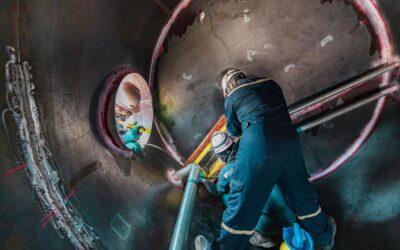
How to Select the Right Durometer Rating for Chemical, Abrasion, or Impact Resistance
How to Select the Right Durometer Rating for Chemical, Abrasion, or Impact Resistance In industrial environments where rubber linings protect tanks, chutes, piping, and process equipment, material performance isn’t optional — it’s critical. One of the most important...
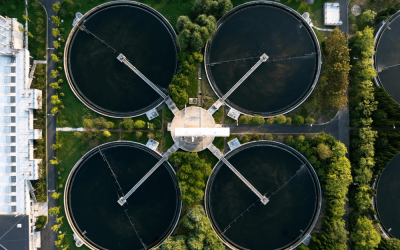
A Guide To Rubber Lining Solutions for Water Treatment Tanks & Clarifiers
Water treatment tanks operate in some of the harshest industrial environments. From constant chemical exposure to abrasive sludge and round-the-clock immersion, these assets are under continuous attack. Without proper protection, water treatment tanks and clarifiers...
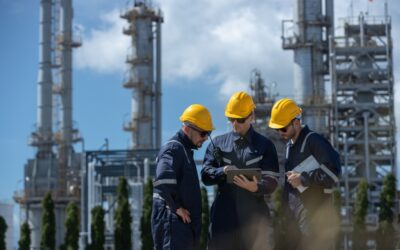
Rubber Lining in the Petrochemical Industry: How It Protects Tanks, Pipes & Vessels From Severe Corrosion
Tanks, piping, and process vessels in the petrochemical industry are constantly exposed to aggressive chemicals, high temperatures, and abrasive flow conditions that accelerate material degradation. Industry studies from AMPP (formerly NACE International) estimate...

How to Evaluate Rubber Lining Companies: 10 Factors Engineers Should Never Overlook
Choosing a rubber lining contractor is a crucial decision for asset protection. Yet many industrial teams are forced to evaluate rubber lining companies that appear similar on the surface. The reality is that not all rubber lining companies are built the same, and...
A Maintenance Guide to Rubber Lining Inspection and Budget Planning
Even the highest-performing rubber linings are not immune to degradation. Over time, chemical exposure, temperature fluctuations, and mechanical stress gradually weaken the material, creating vulnerabilities that aren’t always visible from the surface. Without a...

Turnkey Lining vs. Standard Rubber Lining Services: What’s the Difference?
In the rubber lining industry, buyers often assume that every contractor provides the same level of service. In reality, there’s a major difference between standard rubber lining services and a turnkey lining solution that manages the entire project from start to...

Tank Lining and Coating: What’s the Difference — and Which Do You Actually Need?
Industrial tanks operate under some of the harshest conditions in any facility. Between chemical attack, abrasion, high temperatures, and constant mechanical stress, tank surfaces can deteriorate quickly without the best protective system. That’s why choosing between...
Spark Testing for Rubber Linings: What It Is, Why It Matters, and When to Use It
Industrial rubber linings are designed to protect tanks, pipes, and process equipment from the harshest operating conditions, including corrosive chemicals, abrasion, high temperatures, and constant mechanical stress. But even the highest-quality lining materials can...
How Do Rubber Lining Materials Hold Up in Cold Weather?
Rubber lining materials are known for their durability and chemical resistance, but not all compounds perform equally in cold weather. From outdoor storage tanks and pipelines to containment systems in cool climates, understanding how rubber lining behaves in chilly...
How to Properly Remove Rubber Lining from a Tank
When it’s time to repair, re-line, or repurpose an industrial tank, one of the most critical steps is removing the existing rubber lining. While this may sound simple, the process can be delicate. Knowing how to remove rubber lining correctly is important in order to...
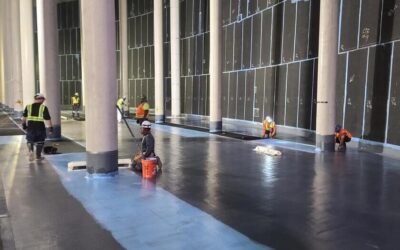
How Long Does Rubber Lining Installation Take?
When industrial facilities plan for rubber lining installation, one of the most common questions is: how long will it take? Understanding the expected duration helps plants and maintenance teams schedule downtime, allocate resources, and minimize disruption to...
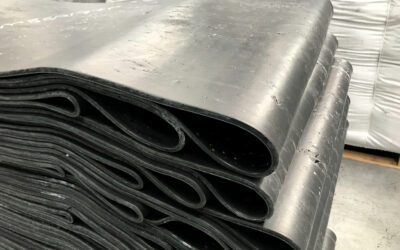
7 Signs Your Rubber Lining Needs Repair
Industrial tanks, pipes, and vessels operate in harsh environments, handling corrosive chemicals, high temperatures, and abrasive materials daily. Even with durable construction, rubber linings can degrade over time. Recognizing early signs of wear is critical to...

What Is an NACE Coating Inspector?
In industrial environments and applications, every lining and coating must perform under extreme conditions. The quality of the protection often comes down to one critical factor: inspection. That’s where an NACE (National Association of Corrosion Engineers, now...
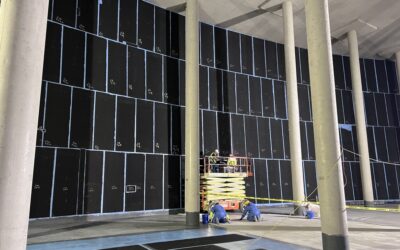
An Inside Look at Our Rubber Lining Procedure
Rubber lining’s effectiveness isn’t just about the material itself; it’s about the way it’s applied to ensure it lasts. At US RUBBER, our rubber lining procedure is designed to deliver maximum durability and performance through a carefully controlled, step-by-step...
How Weather and Climate Impact Industrial Rubber Lining Longevity
Industrial rubber lining is engineered to protect tanks, pipes, and process equipment from corrosion. Its internal performance is typically well accounted for, but external conditions like weather and climate can also affect its longevity. From UV radiation and...
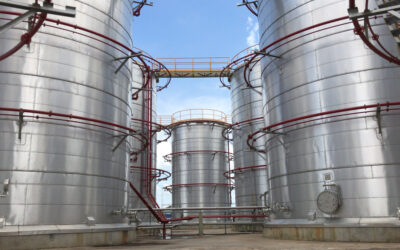
Total Cost of Ownership: Rubber Lining vs. Tank Replacement
When it comes to protecting industrial tanks, you have options. Some facilities install rubber lining from day one to protect against corrosion or chemical attacks. Others look into lining later, when a tank starts showing signs of wear. Either way, one question...
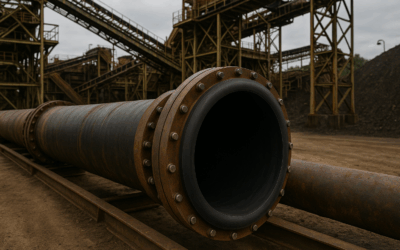
How Rubber Lining Protects Equipment for Mining from Abrasion and Slurry Damage
In the mining industry, equipment isn’t just exposed to tough conditions—it’s under constant attack. Chutes, tanks, pipelines, and other systems face relentless wear from abrasive materials, high-impact rock loads, and fast-moving slurry that erodes surfaces from the...

From Rubber Cracking to Debonding: How to Spot and Solve Lining Failures
Rubber linings protect industrial equipment against corrosion, abrasion, and chemical damage. They also protect storage tanks, pipes, or process vessels, extend equipment life, and keep operations running safely and smoothly. But even the most durable rubber lining...
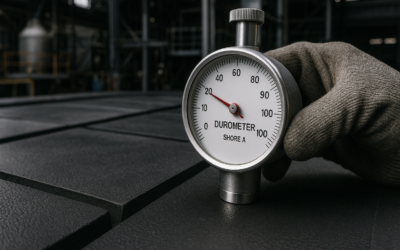
Understanding Durometer Ratings and What They Mean for Rubber Lining Performance
Understanding durometer ratings is one of the most critical factors in selecting industrial rubber lining. A durometer measures the hardness of rubber, which directly impacts how well it performs under stress, resists abrasion, absorbs impact, and stands up to harsh...
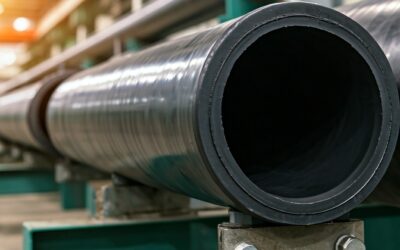
How to Select the Best Rubber Lining Material for Your Chemical Resistance Needs
When your equipment is exposed to harsh chemicals day in and day out, selecting the right rubber lining material is vital. The wrong choice can lead to premature failure, unplanned downtime, and costly repairs. The right material, on the other hand, can provide...
Contact Us
Looking for the perfect rubber lining solution for your application? Reach out to our expert team and we’ll deliver the answers you need.
US RUBBER & Specialty Construction
We specialize in complete solutions. From expert field installation to a full service shop. No project is too large or too small. US RUBBER is here to help you solve your problems.



Baton Rouge (HQ)
16347 Old Hammond Hwy, Baton Rouge, LA 70816
P (225) 647-2747
Houston
3400 Awesome Lane, LaPorte, TX 77571
P (281) 470-7252
Fabrication Shop
30875 Strawberry Lane, Hammond, LA 70403
P (225) 647-2747