When it’s time to repair, re-line, or repurpose an industrial tank, one of the most critical steps is rubber lining removal. While this may sound simple, the process can be delicate. Knowing how to remove rubber lining correctly is important to protect the substrate underneath, ensure worker safety, and prepare the tank for a new, long-lasting lining system.
Below, we’ll walk through the steps involved in rubber lining removal, explore common methods, and explain why hiring a professional contractor is the safest approach, especially when future tank rubber lining repair or replacement is required.
Why & When Rubber Lining Removal Is Necessary
Rubber linings are designed to protect metal tanks and equipment from corrosion, abrasion, and chemical attack. However, over time, exposure to harsh environments can lead to degradation, making rubber lining removal necessary to restore system performance.
Understanding how to remove rubber lining becomes critical when the lining loses integrity, as improper removal can complicate future tank rubber lining repair and reduce the lifespan of the new lining.
In other cases, rubber lining removal is required when a tank is repurposed for a new application and the existing material is no longer compatible.
The Challenges of Stripping Cured Rubber
Cured rubber is engineered for durability, which makes rubber lining removal a complex and labor-intensive process. The strong bond between the rubber and substrate requires specialized techniques when determining how to remove rubber lining effectively.
Improper rubber lining removal can damage the substrate, leading to pitting or contamination that negatively impacts adhesion during tank rubber lining repair or reinstallation.
Additionally, heat, dust, and fumes generated during rubber lining removal pose safety risks, making professional handling essential.
Safe and Effective Rubber Lining Removal Methods
Several techniques are used for rubber lining removal, depending on the material and condition of the tank. Understanding how to remove rubber lining properly ensures both efficiency and substrate protection.
1. Mechanical Removal
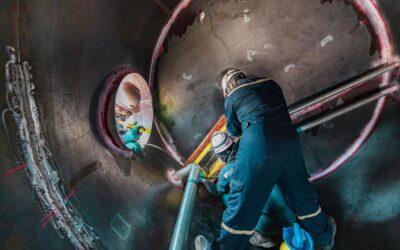
Mechanical rubber lining removal uses tools such as pneumatic chisels, grinders, and abrasive blasting systems to physically strip the lining.
This method is effective but requires precision to avoid damaging the substrate, especially when preparing for tank rubber lining repair.
In some cases, cryogenic techniques can assist in the rubber lining removal process by making the material more brittle.
2. Chemical Removal
Chemical methods provide another approach to rubber lining removal, using solvents to break down adhesive bonds.
While this method can help when evaluating how to remove rubber lining in sensitive applications, it must be handled carefully due to hazardous fumes and potential substrate reactions.
3. High-pressure or Hydroblasting Techniques
Hydroblasting is a widely used method for rubber lining removal, using high-pressure water to strip away material without generating excessive heat or dust.
This technique is especially useful in applications requiring cleanliness and precision, particularly before performing tank rubber lining repair or installing a new lining system.
Protecting the Substrate During Removal
Protecting the substrate is one of the most important aspects of rubber lining removal. Any surface damage can compromise the effectiveness of the next lining application.
Properly executed rubber lining removal ensures that the surface is clean, intact, and ready for inspection and preparation. This step is critical before proceeding with tank rubber lining repair or full re-lining.
Professionals use controlled techniques and follow strict processes to ensure that the substrate remains in optimal condition.
Working with experienced rubber lining specialists ensures that removal and preparation are handled correctly for long-term performance.
Partner with the Experts in Rubber Lining Removal
Effective rubber lining removal requires more than just tools, it requires experience, precision, and a deep understanding of how to remove rubber lining safely.
Whether you’re preparing for re-lining or planning a tank rubber lining repair, working with professionals ensures the job is completed efficiently and to industry standards.
If you’re planning a project, consult US Rubber rubber lining experts to ensure your removal and lining process is done right the first time. Contact us today!