CALL US TODAY! (225) 647-2747

CAREER OPPORTUNITIES 

The Most Popular Industrial Rubber Lining Applications

The Most Popular Industrial Rubber Lining Applications

In industries that rely heavily on tanks, vessels, and pipelines to store and transport materials, rubber lining is essential in extending the equipment’s life. This article explores some of those industries and related applications, and why rubber lining is a critical resource.

Top 9 Rubber Lining Industries and Applications

Rubber lining is applied to the interior surface of tanks, vessels, pipes, and other industrial equipment to protect against abrasion, corrosion, and chemical degradation. Not only does this make the equipment last longer, but it also ensures a safe environment and lowers maintenance costs (not to mention, the lost profit from operational downtime that inspection and maintenance requires).

So, here are several key industries that rely on rubber lining to maintain smooth operations.

1. Petrochemical Industry

Biggest threat: Chemical corrosion

The petrochemical industry is one of the largest consumers of rubber linings. Facilities in this sector handle corrosive chemicals like sulfuric acid, hydrocarbons, and caustic solutions, all of which can quickly erode unprotected tanks and pipelines. Applying rubber lining in chemical storage tanks and reaction vessels is necessary to provide a robust layer of defense against chemical attacks.

2. Pulp & Paper Industry
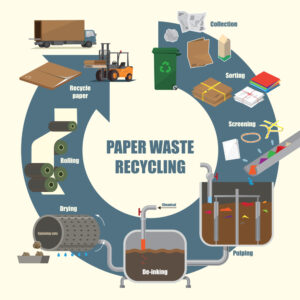
pulp and paper processing

Biggest threat: Chemical corrosion and material abrasion

The pulp and paper industry faces significant challenges due to the abrasive nature of the pulp and the corrosive chemicals used in paper production. Chlorine, caustic soda, and other bleaching agents can rapidly degrade the steel surfaces of the tanks and vessels that house them. By applying rubber linings, facilities in this sector can protect against chemical corrosion and pulp abrasion.

3. Railcar Applications

Biggest threat: Chemical corrosion and material abrasion

Transporting chemicals and other industrial liquids via railcar is a high-risk endeavor. Rubber linings are used to protect the interior surfaces of the railcars that carry corrosive or abrasive materials. 

Some rubber lining contractors offer customized solutions for railcar operators, which ensure the linings are compatible with the specific cargo being transported. This helps prevent leaks, contamination, and corrosion. 

4. Nuclear Industry

Biggest threat: Radioactive exposure

The nuclear industry requires robust, fail-safe systems for handling radioactive materials and hazardous waste. Even the slightest material failure can result in catastrophic consequences, so rubber linings are used in chemical storage tanks and processing equipment to protect against radiation, corrosion, and chemical exposure. 

5. Water Treatment Plants
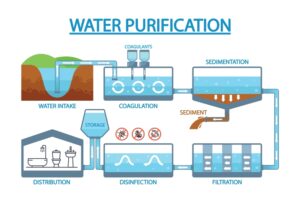
water treatment plant process

Biggest threat: Chemical corrosion and microbial growth

The water treatment industry relies on rubber linings, particularly in water treatment tanks and pipelines. Wastewater treatment plants use harsh chemicals like chlorine and hydrogen sulfide in disinfection and purification processes. Over time, those chemicals can eat away at unlined steel and cause leaks and contamination. 

Rubber lining also provides some resistance to microbial growth, further enhancing the safety and functionality of both the equipment and the water inside.

6. Utility and Power Plants

Biggest threat: High temperatures and chemical corrosion

Power plants, particularly ones that use fossil fuels, operate under extreme temperatures and corrosive environments. The rubber linings used in this sector mainly protect boilers, condensers, and cooling water pipes from corrosion caused by chemical-laden fluids, high heat, and steam. 

In coal and gas power plants, rubber linings protect systems from fuel combustion byproducts. 

7. Mining Industry

Biggest threat: Material abrasion

The mining industry is notorious for its abrasive, aggressive environments. Equipment like slurry tanks, chutes, and pipelines are constantly exposed to abrasive materials, like ores, that can cause severe wear and tear. Without proper protection, these materials would wear their containers down rapidly, requiring frequent maintenance and replacement.

8. Steel Mills

Biggest threat: Chemical corrosion and high temperatures

The steel industry often deals with high temperatures and corrosive chemicals. Take the pickling process for example. A chemical treatment is used to remove impurities, rust, and scale from the metal surface. The chemicals used here can cause significant chemical corrosion to the larger equipment at play.

9. Battery Plants

Biggest threat: Chemical corrosion

Battery plants, especially those that manufacture lead-acid batteries, are another major industry that relies on rubber linings. The highly corrosive sulfuric acid used in battery production can rapidly degrade steel equipment and cause spills and leaks. Rubber linings provide essential protection in chemical storage tanks and other processing equipment in these facilities. 

Protect Your Equipment with the Industry’s Best

From chemical storage tanks in petrochemical plants to water treatment tanks in municipal facilities, rubber lining serves as the backbone to protect numerous industries and applications from equipment corrosion, abrasion, and chemical attacks. As facilities continue to evolve and face new challenges, rubber linings will remain a critical part of industrial operations, ensuring equipment longevity, environmental safety and responsibility, and lowered maintenance costs. 

Our US RUBBER team is proud to support these industries (and more) with high-quality rubber lining designed to meet the most demanding specifications. Whatever industry you’re in, if you need rubber lining protection, contact us for a job well done.
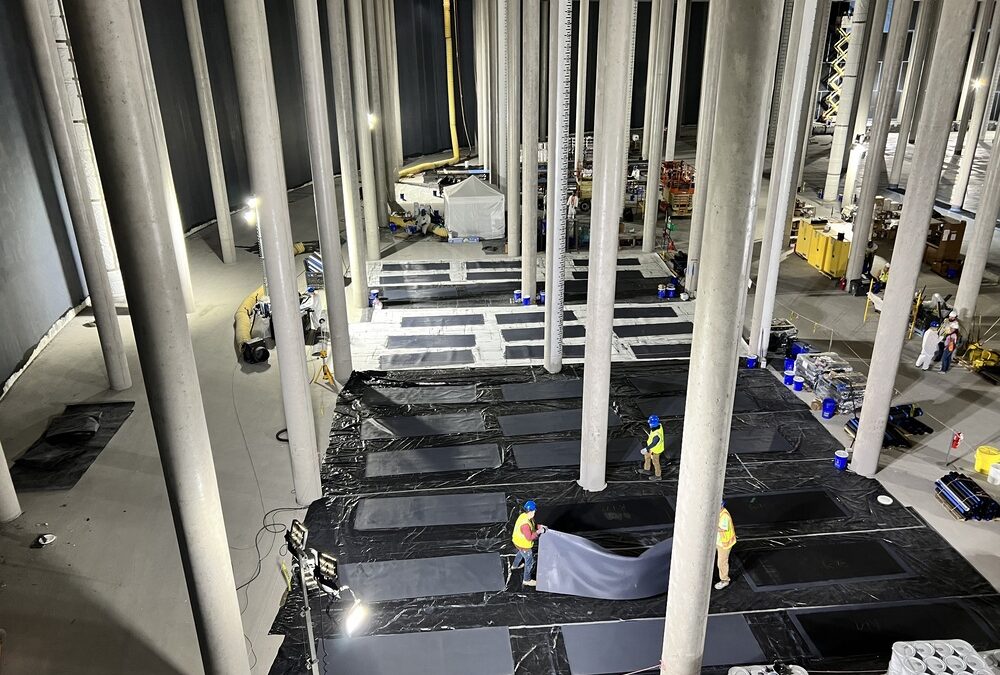
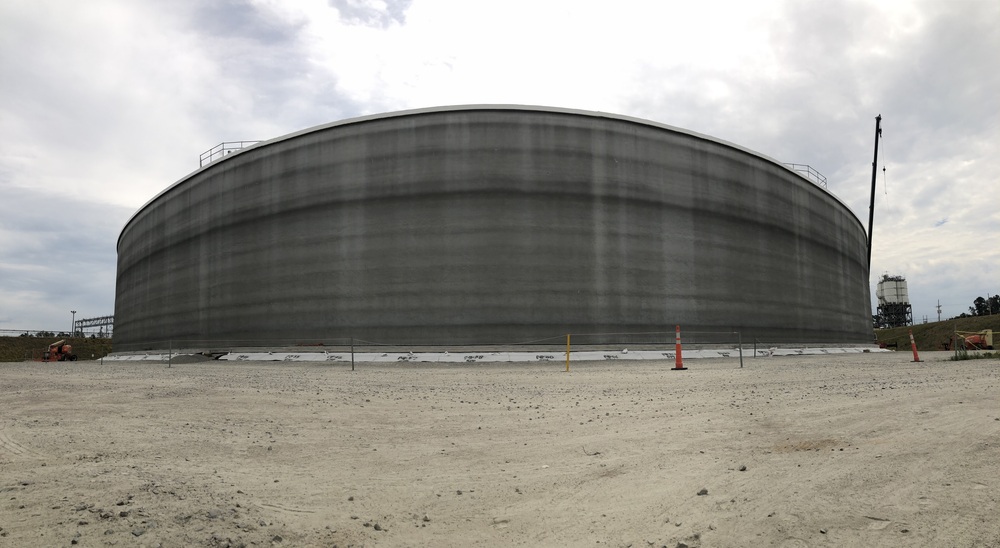
A Step-by-step Guide to Tank Rubber Lining Installation

A Step-by-step Guide to Tank Rubber Lining Installation

Rubber lining is a key material that protects industrial tanks against abrasive materials and chemical corrosion. Not only does it extend the life of tanks but it also enhances their performance, reduces maintenance costs, and ensures safety. However, rubber lining is only effective if installed properly by an experienced contractor. 

As a leader in the field, we’re committed to a meticulous rubber lining installation and rigorous inspection process. (Because installation mistakes and challenges can happen! Read about them here.)

How Rubber Lining Is Installed: 

Below is a step-by-step walkthrough of how rubber lining is applied. 

1. Assess Site Conditions & Tank 

The first step in any rubber lining installation project is a thorough assessment of the site conditions and an understanding of the unique needs of the tank or vessel. The type of material the tank will store, the temperature and pressure conditions it will encounter, and any other environmental factors that could affect the performance of the rubber lining must be evaluated.

Other key things to consider include:

  • Material compatibility: The type of rubber lining material chosen must be compatible with the tank’s contents (e.g. chemical-resistant rubber is essential for tanks storing acidic or alkaline solutions).
  • Environmental conditions: Factors like temperature fluctuations, UV exposure, and moisture levels must also be considered while choosing a rubber lining material and determining installation best practices.

2. Select the Right Rubber Lining Material

Once the site conditions are assessed, the next step is to use that information to select the appropriate rubber lining material. 

Common Rubber Lining Materials

Just a few of the most common types of rubber used for rubber lining are: 

  • Natural rubber, known for its elasticity and resilience, is suitable for abrasive environments.
  • Neoprene rubber offers resistance to oils, chemicals, and weathering.
  • EPDM rubber is ideal for high-temperature applications and is resistant to steam and weathering.
  • Butyl rubber is highly impermeable to gases and used in chemical-resistant applications.

This is not an exhaustive list, and there are many other types of rubber options. The ultimate choice is dependent on a discussion between us, the contractor, and the client and includes factors like material qualities, cost, and availability.

3. Prepare the Tank Surface for Rubber Lining

A well-prepared surface ensures proper adhesion of the rubber lining, which in turn prevents potential failures and extends the life of the coating. 

The steps include: 

  1. Cleaning: The tank surface must be thoroughly cleaned to remove any contaminants, rust, or old coatings. This is typically done using abrasive blasting techniques like sandblasting.
  2. Roughening: The surface is then roughened to create a texture that promotes better adhesion of the rubber lining, also completed with abrasive blasting techniques. 
  3. Priming: A primer is applied to the prepared surface to further enhance adhesion. The type of primer used depends on the rubber lining material selected.

4. Apply the Rubber Lining

This step requires the highest amount of precision and expertise because uniform coverage and adherence are critical. Two main application methods can be used depending on the material and project specifications. 

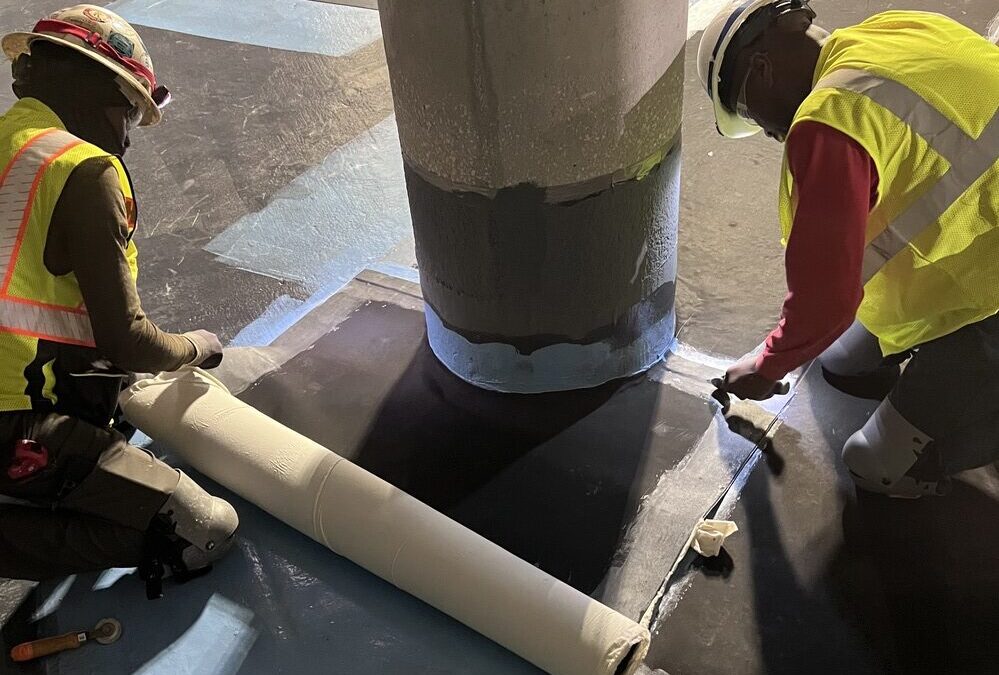
  • Hand laying, which involves manually applying rubber sheets to the surface. This method is ideal for complex shapes and detailed areas.
  • Spray coating, where liquid rubber is sprayed onto the surface and provides a seamless and uniform coating. This method is faster, but not always feasible in complex projects. 

5. Cure the Rubber Lining

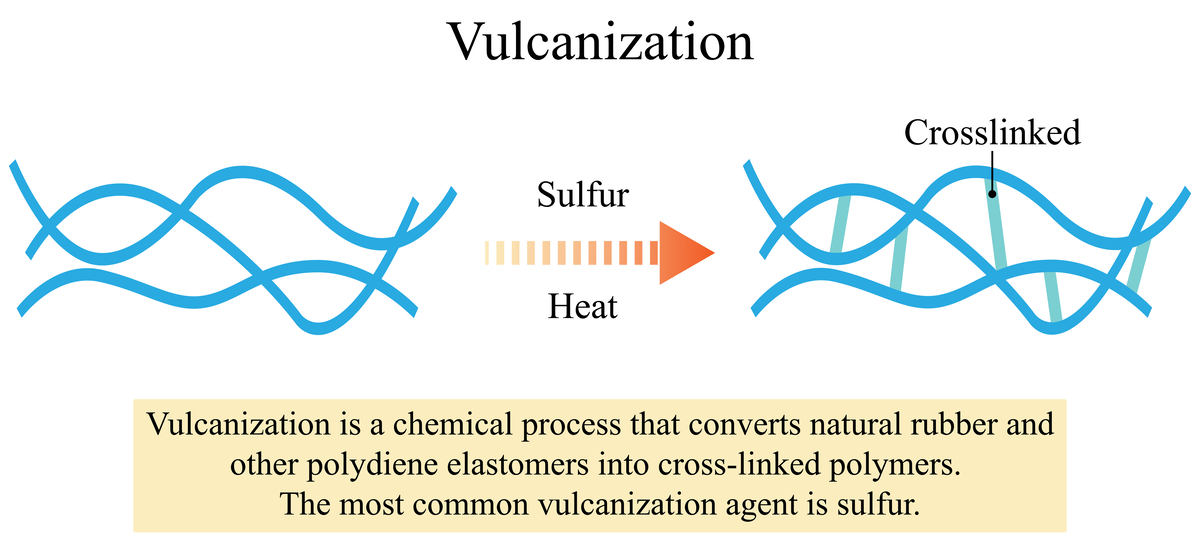
Rubber lining undergoes the vulcanization process, where it is cured using heat and pressure. This process involves mixing crude rubber with 5-30% sulfur or another similar agent to create cross-links between the polymer chains. The chemical reactions enhance the material’s durability, chemical resistance, and temperature resistance. 

In some cases, the rubber lining is applied before it is applied to the tank (before step 4). This is where you’ll hear about cured vs. uncured rubber. 

Cured vs. Uncured Rubber Lining

You can read more about cured vs. uncured rubber and their coinciding pros and cons in this article, but here’s a quick rundown: 

Cured rubber undergoes vulcanization before the installation process, which increases its durability, chemical resistance, and temperature resistance beforehand. However, the cured rubber can make for a more difficult and time-consuming installation. It can also make repairs more frequent and difficult

Uncured rubber is first applied to the tank surface and then undergoes vulcanization. This method allows for more flexibility and repairability during the installation process. However, it will still need to be vulcanized (cured) afterward and will have a lower initial strength before that can take place. 

6. Complete Inspection & Quality Assurance Protocol

The final step in the rubber lining installation process is a thorough inspection to ensure that the lining has been applied correctly and meets all quality standards. This step is crucial to identify any defects or areas that may require additional attention before the tank or vessel is put into service.

What’s Involved in Inspection & QA

At US RUBBER, we pride ourselves on two main commitments: safety and quality. In fact, our rubber lining specialists are National Association of Corrosion Engineers (NACE) certified inspectors. We ensure all rubber lining projects are highly functional and comply with industry standards via: 

  • Visual inspection: Our technicians visually inspect the entire surface for any signs of defects, such as bubbles, wrinkles, or gaps in the lining.
  • Spark testing: A high-voltage spark tester is used to detect pinholes or voids in the rubber lining that may not be visible to the naked eye.
  • Adhesion testing: The adhesion of the rubber lining to the surface is tested to ensure it meets the required standards.

Until each of those tests is run, we don’t consider the job complete. 

For a Rubber Lining Installation Job Well Done, Call Our Experts

Applying rubber lining is a complex process that requires careful planning, expert application, and thorough inspection to ensure the longevity and performance of the lining. 

By following these steps, our team delivers high-quality, durable rubber linings that protect industrial tanks and vessels for years. If you’re looking for an experienced team for your project, get in touch with us; we have over 35 years of experience in multiple industrial sectors.

Common Challenges in Tank and Vessel Rubber Lining

Common Challenges in Tank and Vessel Rubber Lining

Rubber tank lining is a critical process in many industries. Take chemical processing, mining, and water treatment for example, where tanks and other vessels are exposed to harsh chemicals and abrasive materials. 

To avoid corrosion and extend the longevity of rubber linings and the vessels they protect, proper installation and maintenance are required. But these processes aren’t without challenges, which is why it’s important to find a rubber lining contractor you can trust to do the job right. 

Top 4 Rubber Tank Lining Challenges

(+ Solutions)

Below we’ll review the most common tank and vessel lining issues and how our experienced team at US RUBBER works to combat them.

1. Rubber Lining Adhesion Problems

The most common challenge in rubber tank lining installation is ensuring strong adhesion between the rubber lining and the substrate. Poor adhesion can lead to premature failure of the lining, resulting in costly repairs and even more costly operational downtime.

The most typical causes of rubber lining adhesion issues are:

  • Contaminated substrate: Contaminants like oil, rust, and moisture can prevent the lining from bonding correctly to a surface. 
  • Application techniques: Inconsistent or incorrect application techniques can lead to weak spots, where the lining fails to adhere properly.
  • Curing process: Uncontrolled or unfinished rubber curing can result in weak adhesion and lining failure. 

Adhesion Solutions

To avoid adhesion problems and consequent rubber lining defects, our team: 

  • Utilizes advanced surface preparation techniques (abrasive blasting, chemical cleaning) to ensure that substrates are free from contaminants. 
  • Maintains up-to-date on the latest application methods
  • Employs precise curing techniques to guarantee rubber integrity

2. Complex Tank Shapes

Industrial tanks and vessels come in various shapes and sizes. Complex geometrics, such as corners, edges, or irregular shapes, can make it difficult to achieve a uniform and effective lining due to:

  • Incomplete coverage: Ensuring complete coverage in tanks with complex shapes can be difficult, leading to potential weak spots where the lining is thinner or absent.
  • Weak seam integrity: Seams and joints in rubber linings can be vulnerable points that, without proper sealant techniques, lead to leaks and other failures.

How to Effectively Rubber Line Irregularly Shaped Vessels  

At US RUBBER, we have experience lining tanks and vessels of all shapes and sizes. Our skilled technicians use specialized techniques and equipment to ensure complete coverage and seamless integration of the rubber lining. Before we consider the job complete, we take an additional measure to conduct rigorous inspections and ensure that all seams and joints are free of defects.

3. Rubber Lining Thickness Variability

Rubber lining thickness should be uniform across the entire tank or vessel. Variations in thickness can lead to weak spots that are more susceptible to wear. In most cases, thickness variations are due to:

  • Application errors: Inconsistent application techniques can result in too-thick or too-thin areas in the lining.
  • Material properties: Variations in the rubber material itself can of course lead to uneven thickness during application. 
  • Environmental factors: Temperature and humidity can affect the rubber curing process and lining application, leading to variations in lining thickness.

How to Ensure Uniform Rubber Lining Thickness

Above all else, we source only high-quality rubber with consistent properties to ensure uniform thickness in all projects. We also use state-of-the-art equipment and modern techniques to guide our application process. Finally, our technicians are trained to monitor and control environmental conditions to minimize their impact; with a Gulf Coast-focused service area, we know a thing or two about working in high temps and humidity!

4. Corrosion

Of course, the purpose of rubber lining is to prevent corrosion in tanks and vessels. But what about preventing corrosion in the rubber lining? Issues can arise from:

  • Chemical incompatibilities: The rubber lining must be compatible with specific chemicals or materials stored in the vessel to provide effective corrosion resistance.
  • General wear and tear: This is inevitable over time.

Corrosion Solutions

We work closely with our clients to select the appropriate lining material based on the specific chemicals and conditions to which the tank will be exposed. 

Aside from that, the most impactful thing we do to prevent corrosion (or at least identify and fix it before it turns into a bigger issue) is to conduct regular inspections and maintenance. Our comprehensive inspection and maintenance services include:

  • Scheduling proactive inspections to identify signs of wear, damage, or adhesion problems early on, per standards set by the American Society of Mechanical Engineers (see ASME Section VIII, Division 1).
  • Making repairs to address issues promptly, prevent further damage, and ensure the continued protection of the tank or vessel.
  • Keeping detailed records of all inspections, repairs, and maintenance activities to track the performance of the rubber lining over time.

Safeguard the Integrity of Your Rubber Lining Application

Rubber lining is a highly beneficial addition to your tanks and vessels — but only if it’s done thoughtfully and properly.

With our advanced techniques, high-quality materials, and skilled technicians, we can ensure your tanks and vessels are protected to perform optimally for years to come. If you’re experiencing any issues with your rubber tank lining or need expert maintenance services, don’t hesitate to reach out. 

Understanding Cured vs. Uncured Rubber Lining Materials and Associated Coatings

Understanding Cured vs. Uncured Rubber Lining Materials and Associated Coatings

Rubber lining materials play a crucial role in protecting industrial tank equipment. By providing a resilient barrier against corrosion, abrasion, and chemical attacks, rubber linings extend the lifespan of these vessels, reducing maintenance costs and operational downtime.

When selecting the right rubber lining solution for your application, it’s essential to understand the properties, benefits, and limitations of the different materials available. 

Cured vs. Uncured Rubber

There are two main types of rubber used to line tanks: cured and uncured. The difference between them primarily lies in their state of vulcanization, a chemical process by which the physical properties of the rubber are improved.

Cured rubber undergoes the vulcanization process before installation, while uncured rubber does not.

More on Vulcanization

Vulcanization typically involves mixing crude rubber with 5-30% sulfur or another similar agent to create cross-links between the polymer chains. Other additives like zinc oxide, thiurams, calcium chloride, amines, phenolics and phosphites, color pigments, oils, and anti-foaming agents may also be used in the process. 

Some alternative vulcanization methods are peroxide vulcanization, which is used for rubbers incompatible with sulfur or that require high temperature resistance, and radiation vulcanization, which is used for specialized applications where chemical residues must be limited.

Vulcanized (or cured) rubber is used to make tires, conveyor belts, shoe soles, rubber hoses, erases, and of course rubber lining for tanks.

Cured Rubber Lining Materials For Tanks and Vessels

Because they’ve undergone the vulcanization process, cured rubber linings are typically more durable and elastic than uncured rubber linings.

Cured Rubber Lining Benefits

The benefits of using cured rubber to line tanks are: 

  • High durability: Vulcanization significantly enhances the rubber’s toughness, making it highly resistant to abrasion and impact. 
  • Chemical resistance: Cured rubber linings exhibit excellent resistance to a variety of chemicals, from acids to alkalis to solvents. For tanks storing aggressive substances, this ensures long-term protection.
  • Temperature stability: Cured rubber linings maintain their integrity across a broad temperature range, making them suitable for applications in extreme heat or cold.

Cured Rubber Lining Limitations

However, cured rubber is not without its limitations. Some disadvantages of this material are: 

  • Installation complexity: Vulcanization requires precise temperature and pressure control, making installation more complex and time-consuming.
  • Repair challenges: For similar reasons, repairs to cured rubber lining can be difficult, often requiring specialized techniques and equipment to ensure proper adhesion and integrity. 

Uncured Rubber Lining Materials For Tanks and Vessels

Uncured rubber lining, also known as soft rubber lining, is applied in its raw, unvulcanized state. It is then vulcanized in place, typically with heat and pressure. 

Uncured Rubber Lining Benefits

Why would you choose uncured rubber vs. cured rubber to line tanks? If you wanted to take advantage of any of these properties:

  • Flexibility: Uncured rubber can conform closely to the contours of a tank or vessel, which is ideal when working with complex shapes and intricate installations.
  • Ease of installation: Since this lining doesn’t require pre-vulcanization, it’s generally easier and quicker to install. If reduced labor costs and less operational downtime are important to you, this may be your preferred material.
  • Repairability: Uncured rubber lining can be repaired more easily than cured rubber lining. Damaged sections can simply be removed and replaced with new uncured material, then vulcanized in place.

Uncured Rubber Lining Limitations

But uncured rubber lining also has its drawbacks:

  • Lower initial strength: Before vulcanization, uncured rubber lining lacks strength and chemical resistance, so it could be susceptible to damage during installation.
  • Vulcanization requirements: The need for on-site vulcanization can complicate the installation process, requiring specialized equipment and experienced technicians to ensure proper curing.

Rubber Coatings for Industrial Tank Applications

To enhance the performance of rubber linings even further, you can apply a range of industrial rubber coatings. These coatings provide additional layers of protection and improve the overall durability and efficiency of a lining system.

Popular Industrial Rubber Coatings

When selecting a rubber lining coating, it’s important to consider your unique application. Where is the tank or vessel located? What substance(s) will it store? What types of wear and abrasion will it most often be exposed to?

From there, you may choose one of these popular coating solutions:

Chemical-resistant Coatings

As the name suggests, chemical-resistant coatings are designed to withstand exposure to harsh chemicals, providing an extra barrier that prevents chemical degradation of the lining. If your tank will hold or be exposed to corrosive substances, this is likely your solution. 

Epoxy and vinyl ester coatings are popular chemical-resistant coating choices.

Abrasion-resistant Coatings

Abrasion-resistant coatings combat mechanical wear and tear, such as scratches, impacts, and other forms of physical — not chemical — damage. This physical damage could be brought on by environmental factors, or by storing solid materials inside the tank. 

Polyurethane and ceramic-filled coatings are popular choices in this coating category.

Thermal-resistant Coatings

Thermal-resistant coatings are key in applications involving extreme temperatures. They help maintain the integrity of the rubber lining by preventing thermal degradation from high heat or cold, which is typically caused by environmental factors but can also be due to substances stored.

Silicone and polytetrafluoroethylene (PTFE) are popular thermal-resistant rubber coatings.

Anti-microbial Coatings

Tanks used to store water or food products can experience microbial growth and bacterial or fungal contamination. Anti-microbial coatings incorporate silver ions, which have natural anti-microbial properties, to prevent this. 

Putting It All Together: How to Select the Right Rubber Lining & Coating Combination

Choosing the appropriate rubber lining material and associated coatings for your specific needs requires careful consideration of various factors. Some key points to keep in mind are:

Evaluate Environmental Conditions

Think about the chemical exposure, mechanical wear, and temperature range in your application. These factors will be the main drivers in your choice of material and coating.

Assess Installation and Maintenance Needs

Consider the level of installation complexity (and costs associated with it) you can tolerate, plus the ease of future maintenance you’d prefer. Uncured rubber linings may offer advantages in terms of flexibility and repairability, while cured solutions will provide superior initial strength and durability, meaning they may not need to be repaired as often.

Consult with Experts

Whether you think you’ve found your answer or not, it’s important to consult an expert in the field. Working with experienced rubber lining technicians will ensure the best choice is made, resulting in the peak performance and longevity of your equipment. They may even bring up some points you hadn’t considered before!

Need an expert to talk to? Get in touch with our team at US RUBBER, with over 35 years of experience in multiple industrial sectors.

Durability: Tips for Maintaining Rubber Linings in Industrial Environments

Durability: Tips for Maintaining Rubber Linings in Industrial Environments

Rubber linings on tanks, pipes, and equipment provide crucial corrosion resistance. These linings act as a barrier between abrasive materials, preventing deterioration to the structure. Proper maintenance is required for extending the lifespan of rubber linings. It ensures both safety and reliability in industrial environments. Extra care also reduces the frequency of replacements and prevents costly replacements. Learn now to maximize the longevity of industrial rubber linings with these expert tips on maintenance. 

Practical Maintenance Strategies to Extend Rubber Lining Lifespan

Regular inspection on rubber linings should take place every three to five years. Properties such as hardness, tensile strength, and elasticity should be tested by an inspector to detect and prevent any suspected deterioration. This will prevent cracks, holes, and other signs of wear. If found, small damages should be patched or repaired immediately. Otherwise, more extensive damage to the lining will occur and lead to a costly replacement. 

Periodic measurements of lining thickness should also be measured to monitor the rate of wear. The thickness of the rubber lining should be measured when it is first installed to serve as a baseline. Rely on certified installers to perform lining installation and provide accurate measurements. During monitoring, non-destructive thickness gages can be used to take measurements and prevent unnecessary damage. Rely on the manufacturer’s guidelines to determine how fast the lining should wear. If the wear rate increases drastically, it is likely indicating a problem and further investigation should be taken before correcting the issue. 

A leak detection system should be put in place to monitor signs of leaks. Regular manual inspections check for discoloration, damp spots, and other damaging spots to the lining. Ultrasonic leak detection can use sound waves to detect potential leaks. Chemical leak detection may involve adding a tracer chemical or dye. Finding a leak early on can prevent hazardous spills and costly cleanups. 

Personnel handling rubber linings need proper training on the maintenance procedures in order to detect issues. Create and maintain a detailed record of maintenance activities to track the condition of the linings over time and identify issues early on. This includes documenting the date, maintenance activity, personnel, and results. Document all repair activities and include details of how the issue was resolved. If process issues arise, document the correct adjustments for operational flow rates and pressures. This will prevent unnecessary stress on rubber linings in future operations. 

Maintain Rubber Coating Durability With These Cleaning Tips

Rubber coatings should be cleaned according to manufacturer guidelines to ensure the integrity and longevity of the lining. While it is important to remove contaminants and residues that build up, cleaning should only be done if necessary and with the appropriate cleaning agents. This will avoid accidental damage to the rubber linings. 

Cleaning can often be achieved with water flushing and mild detergents. After applying a cleaning solution, make sure to throughly rinse the lining of residue with low pressure. If an area is hard to reach, use a specialized cleaning tool to prevent stretches or other damage. Allow the coating to dry before restarting use. 

How to Protect Rubber Linings

Make sure to protect rubber linings from extreme conditions such as heat and extreme cold. High temperatures can cause linings to degrade, while freezing temperatures can cause them to crack. Sunlight can cause UV damage, resulting in brittleness and a loss of elasticity. In addition to a temperature controlled environment, shading or protective covers should be used as a shield to rubber linings.

Rubber linings should also be protected from chemical exposure. Before installation, rubber linings should be assessed to determine compatibility with the chemicals they will encounter. You may be able to add a protective coat or sealant to enhance durability and resistance. Different rubber formulations offer varying levels of resistance, so you’ll need a rubber lining procurement and installation service provider to help you select the most suitable lining material.

Rely On US RUBBER & Specialty Construction Expert Insight

Maintaining rubber linings is crucial to improving their longevity in industrial environments. That’s why you should schedule service with US RUBBER. Our rubber lining specialists are National Association of Corrosion Engineers (NACE) certified inspectors and available to offer a complete solution. Whether you need help with a repair or new tank lining, we’ll support your rubber lining needs.

Harnessing the Power of Rubber Lining Protection Against Tank Corrosion

Harnessing the Power of Rubber Lining Protection Against Tank Corrosion

Corrosion silently undermines the integrity of industrial tanks, posing a significant threat to their structure. This pervasive issue can result in expensive leaks, contamination, and potentially catastrophic failures. For industries relying on these vessels to store chemicals, fuel, or water, ensuring longevity and safety extends beyond routine maintenance—it demands intelligent protection strategies. Introducing rubber linings: the steadfast shield against corrosion’s destructive effects.

Rubber linings serve as an indispensable ally for your tanks. Learn why countless industries turn to this time-tested solution to preserve their assets and maintain operational excellence. With rubber linings, you can rest assured that your storage solutions stand resilient against corrosive attacks, safeguarding your resources and your peace of mind.

Understanding Corrosion in Industrial Tanks

Corrosion is a natural process that deteriorates materials over time due to chemical or electrochemical reactions with the environment. For industrial tanks, corrosion can lead to structural weaknesses, leaks, and even catastrophic failures, posing serious risks to both safety and productivity.

Among the common causes of corrosion within industrial settings are exposure to harsh chemicals, fluctuating pH levels, oxygen, and moisture. Such conditions are prevalent in industries ranging from chemical processing to wastewater treatment, making corrosion a persistent concern.

The consequences of corrosion on tank integrity and safety are severe. Corrosion can compromise the structural integrity of the tank, leading to the potential release of harmful substances into the environment. Further, unnoticed corrosion can progress to the point of causing unexpected shutdowns or, worse, accidents that threaten human life and cause significant financial loss.

  • Chemical or electrochemical reaction between tank material and surrounding environment
  • Leads to deterioration and potential structural failure
  • Caused by exposure to harsh substances, moisture, and other corrosive elements
  • Results in safety risks, environmental hazards, and economic costs

How Rubber Linings Combat Corrosion

Corrosion poses a persistent challenge in the world of industrial tanks, threatening both the integrity and longevity of these crucial storage vessels. Combatting this insidious force requires a robust defense—and rubber linings stand at the forefront of this battle. 

Barrier Protection

One of the essential ways rubber linings shield tanks from corrosion is by offering a seamless barrier. This physical layer acts as a steadfast guard that prevents corrosive substances and moisture from coming into direct contact with the tank walls. The impervious nature of rubber means that the armor it provides is both comprehensive and reliable, ensuring that the underlying structure is safe from the corrosive agents lurking in their contents.

Chemical Resistance Properties

Beyond acting as a mere physical barrier, rubber is chemically inert to a wide array of corrosive materials. It doesn’t react with various acids, alkalis, and salts—substances commonly stored in industrial tanks that can aggressively attack and degrade other materials. The very compound structure of rubber linings is designed to endure and resist these assaults, maintaining its integrity even when exposed to these harsh environments for extended periods.

Flexibility to Withstand Expansion and Contraction

Environmental and operational factors often cause tanks to expand and contract. Rubber linings accommodate these fluctuations with exceptional elasticity, preserving their protective abilities without cracking or becoming brittle. This flexibility is key to maintaining a secure and permanent shield against corrosive forces, safeguarding the tank through many cycles of temperature changes and internal pressure variations.

  • Rubber’s impermeability makes it a formidable and enduring barrier against corrosive substances.
  • Its chemical inertness equips rubber with the ability to resist a vast array of industrial chemicals.
  • The inherent elastic properties of rubber allow it to absorb and buffer against the stresses caused by tank expansion and contraction.

Maximize Your Tank’s Lifespan: Benefits of Rubber Linings for Corrosion Protection

Industrial tanks face a constant threat from corrosion, but rubber tank linings offer a robust defense, prolonging tank lifespans and preserving integrity. These linings act as a crucial barrier, shielding tank materials from corrosive substances. Their resilience and tight adherence to tank surfaces provide a customized fit that enhances protection.

Key Features of Rubber Linings That Make Them Effective Against Corrosion

  • Chemical resistance: Rubber linings boast excellent resistance to a wide range of chemicals, ensuring that they can withstand harsh environments without degrading.
  • Flexibility and elasticity: The inherent flexibility of rubber allows it to absorb mechanical shocks and adapt to temperature-induced expansions or contractions of the tank.
  • Durability and longevity: Engineered to endure, rubber linings can significantly outlast other materials when it comes to protecting tanks from corrosive damage.

Advantages of Using Rubber Linings for Corrosion Protection

  • Cost-effectiveness compared to alternative solutions: When evaluated over their lifespan, rubber linings are a financially savvy choice, thanks to their durability and low need for replacement.
  • Ease of installation and maintenance: The installation process for rubber linings is straightforward, and maintenance requirements are minimal, reducing the overall workload for operational staff.
  • Compatibility with various types of tanks and substances: Versatility is a hallmark of rubber linings, as they are compatible with a multitude of tank designs and can handle diverse substances, from water to aggressive chemicals.

What to Consider When Selecting Rubber Linings for Corrosion Protection

When it comes to safeguarding your industrial tanks from the destructive forces of corrosion, choosing the right rubber lining is critical. There are several variables that can influence the effectiveness and longevity of the rubber linings you select. Understanding these factors ensures that your investment in corrosion protection pays off in the long term. 

Assessing the Compatibility with Stored Substances

The type of chemicals or substances stored within your tank should be your primary consideration. Rubber linings must be compatible with the tank contents to prevent degradation, swelling, or delamination that can lead to failure. Each type of rubber material has its own resistance profile, so it’s essential to match the lining material with the substances it will come into contact with.

Evaluating Operating Conditions

Operating conditions within the tank such as temperature, pressure, and duration of exposure to chemicals play a pivotal role in selecting the appropriate rubber lining. High temperatures can affect the elasticity and integrity of the rubber, while fluctuating pressures can cause mechanical stress. Ensuring the lining can withstand your specific operational environment is a must.

Considering Tank Design and Material

The design and construction material of your tank can also influence the choice of rubber lining. The lining must be able to adhere properly and conform to the internal geometry of the tank. Tanks made from materials that expand or contract with temperature changes require linings with similar thermal expansion properties to maintain a cohesive bond.

The Importance of Proper Installation and Maintenance

Proper installation and ongoing maintenance are key to maximizing the service life of rubber linings. Even the most suitable rubber lining can fail prematurely if not installed correctly or if maintenance is neglected. It’s crucial to follow the manufacturer’s guidelines and to schedule regular inspections to identify and address any potential issues before they lead to failures.

  • Precise installation to ensure a correct fit and complete coverage
  • Regular inspections for early detection of wear and degradation
  • Timely repairs to avoid further damage and extend lining lifespan

Taking the time to thoroughly assess these factors can save you from costly downtime and maintenance in the future. Choose wisely and ensure that your rubber linings serve as a resilient barrier against corrosion for years to come.

Secure Your Industry’s Future with Ultimate Corrosion Protection

The importance of investing in durable and effective tank defense solutions like rubber linings extends beyond mere cost savings. It is a matter of ensuring long-term operational efficiency, safeguarding the safety of the workforce, and minimizing environmental impact. Reliable rubber linings represent a forward-thinking approach to industrial challenges, positioning your operations to withstand the tests of time and harsh conditions.

As industries continue to evolve and face ever-growing challenges, the decision to invest in rubber linings is not just a precaution—it’s a strategic move towards a safer, more efficient, and future-proof business. We encourage all industries that grapple with the threats of corrosion to consider rubber linings as their first line of defense. It’s a choice that signifies commitment to excellence and a clear vision for a sustainable industrial future.

  • Long-term operational efficiency: rubber linings extend the life of industrial tanks, helping to avoid frequent replacements and costly downtime.
  • Enhanced safety: by preventing leaks and structural failures, rubber linings contribute to a safer work environment.
  • Sustainable choice: with longer-lasting protection, rubber linings are an environmentally friendly option, reducing waste and the need for frequent maintenance.

The adoption of rubber linings against corrosion is more than just an operational decision; it’s a commitment to preserving the integrity and longevity of your industry’s most critical assets. We strongly advocate for the inclusion of high-quality rubber linings in your corrosion protection strategy, for an unwavering shield against the ravages of time and nature.