CALL US TODAY! (225) 647-2747

CAREER OPPORTUNITIES 

5 Common Causes of Rubber Lining Failures & How to Prevent Them

5 Common Causes of Rubber Lining Failures & How to Prevent Them

Rubber linings play a vital role in industrial applications, providing a reliable shield to protect equipment from corrosion, abrasion, and chemical damage. However, despite their durability, rubber linings are not immune to failure. Improper installation, poor maintenance, or choosing the wrong materials can lead to damage. 

Let’s explore the five most common reasons for rubber lining failures and how to prevent them. Whether you’re installing new linings or maintaining existing ones, these insights will help you ensure long-lasting, reliable performance.

How to Prevent Rubber Lining Failures 

1. Improper Installation

One of the most common causes of rubber lining failures is improper installation. When linings are not installed correctly, they can fail prematurely, leading to costly repairs and equipment downtime. Some common installation issues include:

  • Misaligned installation that causes uneven stress distribution.
  • Overtightening, which can compromise the integrity of the lining.
  • Failure to follow manufacturer guidelines, resulting in suboptimal performance.

Prevention Tips:

  • Hire Certified Professionals: Always rely on certified installers who understand the technical requirements of rubber lining applications.
  • Follow Manufacturer Specifications: Ensure the installation process follows the manufacturer’s guidelines, including curing times, alignment procedures, and adhesive application.
  • Conduct Quality Checks: Inspect the lining during and after installation to confirm proper alignment, adhesion, and overall fit. Testing for uniform thickness and secure adhesion is also essential.

2. Chemical Incompatibility

Rubber linings protect equipment from chemical exposure, but not all linings are suited for every chemical environment. Using a material that lacks the necessary chemical resistance can result in rapid degradation, such as:

  • Swelling from exposure to incompatible chemicals.
  • Brittleness caused by prolonged contact with harsh substances.
  • Cracking or delamination, leaving the equipment vulnerable to further damage.

Prevention Tips:

  • Conduct a Chemical Analysis: Before selecting a rubber lining, thoroughly evaluate the chemicals it will encounter, including their concentration and temperature. This ensures the chosen lining material can withstand the specific environment.
  • Consult With Experts: Choose a certified installer who understands the chemical compatibility of rubber linings and can recommend additional coatings or protective layers if needed.

3. Temperature Extremes

Temperature extremes are a significant factor in the deterioration of rubber linings. Operating equipment in conditions outside the recommended temperature range can lead to:

  • Softening of the rubber when exposed to excessive heat, compromising its structural integrity.
  • Hardening or cracking in extremely cold temperatures, making the lining brittle and prone to failure.
  • Loss of elasticity, resulting in reduced protective performance and increased susceptibility to damage.

Prevention Tips:

  • Choose the Right Material: Select rubber linings specifically designed for the temperature range of your application. For example:
    • Use materials like natural rubber for moderate temperatures.
    • Invest in EPDM or other heat-resistant rubbers for high-temperature environments.
    • Choose rubber formulations that maintain flexibility at low temperatures for cold weather. 
  • Monitor Temperatures: Regularly track operating temperatures to ensure they remain within the rubber lining’s tolerance range.
  • Implement Protective Measures: Insulate or shield equipment to minimize exposure to extreme heat or cold, reducing stress on the lining.

4. Insufficient Adhesion

Adhesion is critical to the performance of rubber linings. If the surface to be lined is not adequately prepared, the rubber may not bond correctly, leading to:

  • Delamination, where the lining separates from the substrate.
  • Separation, which exposes equipment to potential corrosion, abrasion, or chemical damage.
  • Premature failure of the lining due to weak bonding.

Prevention Tips:

  • Proper Surface Preparation: Use abrasive blasting to remove contaminants like rust, grease, or old coatings. Clean the surface with the recommended solvents or cleaners for optimal adhesion conditions.
  • Prime the Surface: Apply the appropriate primer to create a strong bond between the substrate and the rubber lining.
  • Conduct Adhesion Tests: Perform pull tests or other adhesion verification methods during and after installation to confirm a secure bond. 

5. Incorrect Thickness

The thickness of a rubber lining plays a critical role in its performance and longevity. Incorrect thickness can lead to several issues:

  • Too Thin: A lining that is too thin may wear out quickly, leaving the equipment unprotected and prone to damage.
  • Too Thick: Excessive thickness can reduce flexibility and create stress points that lead to cracking or delamination.

Prevention Tips:

  • Determine the Appropriate Thickness: Evaluate the specific conditions of the application, including:
    • Abrasion levels for high-wear environments.
    • Pressure requirements in high-stress systems.
    • Chemical exposure to ensure the lining can withstand the environment without degrading.
  • Follow Industry Standards: Refer to manufacturer recommendations and industry guidelines to ensure the thickness meets operational demands.
  • Rely on Certified Professionals: Work with experienced installers who can measure and verify the correct thickness during installation. 

Protect Your Rubber Lining With US RUBBER

Understanding and addressing common causes of rubber lining failures, such as improper installation and chemical incompatibility, can help you avoid costly downtime and ensure reliable performance.

At US RUBBER, we specialize in providing durable rubber linings, expert installation, and 24/7 repair services. Whether you need a new lining or expert advice on maintaining existing ones, our team has you covered.

Contact US RUBBER today for professional consultation, high-quality materials, and solutions tailored to your specific needs. 
How Long Does Rubber Lining Last?

How Long Does Rubber Lining Last?

Rubber linings are essential for protecting industrial equipment from corrosion and chemical damage. They act as a shield, enhancing the durability and longevity of tanks, pipes, and other critical equipment.

The typical rubber lining lifespan ranges from 5 to 30 years

However, the range depends on various factors, including environmental conditions, chemical exposure, proper cleaning, and maintenance practices. 

Let’s explore the key factors that impact the lifespan of rubber linings, practical tips to extend their durability, and how US Rubber’s turnkey solutions can maximize the performance of your equipment. 

Factors Affecting Rubber Lining Lifespan

Understanding the elements that impact rubber lining lifespan is crucial for maximizing performance and reducing costly replacements. Here are the key factors to consider:

Environmental Conditions

The environment in which a rubber lining is used significantly determines its lifespan, particularly the temperatures and sunlight it’s exposed to. 

  • High Heat: Prolonged exposure to high temperatures can cause rubber linings to degrade, reducing elasticity and increasing brittleness.
  • Freezing Temperatures: Cold environments can make rubber more susceptible to cracking, especially if not designed for such conditions.
  • UV Exposure: Sunlight can weaken the lining over time, leading to brittleness and reduced performance. 

Chemical Exposure

When chemicals come into contact with a rubber lining, it can dramatically affect its durability:

  • Incompatible Chemicals: Before installation, it’s vital to select a lining material specifically designed to resist the chemicals it will encounter. Incompatible chemicals can lead to rapid degradation, swelling, cracking, or loss of elasticity.

Maintenance Practices

Regular maintenance is one of the most effective ways to extend the lifespan of rubber linings:

  • Inspections: Periodic assessments of the lining’s hardness, thickness, and tensile strength can detect early signs of wear or damage.
  • Wear Monitoring: Measuring the wear rate allows for proactive repairs before more significant issues arise.
  • Timely Repairs: Addressing small cracks or holes immediately prevents larger-scale damage that might require a full replacement.

Application Type

Different industries and applications place varying levels of stress on rubber linings, impacting the lifespan:

  • Mining and Petrochemical Industries: Abrasive materials and harsh chemicals can accelerate wear, demanding more robust linings.
  • Nuclear and Power Plants: High-pressure environments require exceptionally durable linings to withstand operational stress.
  • Water Treatment Plants: Constant exposure to moisture and varying pH levels necessitates linings tailored for chemical and water resistance.

5 Tips to Extend the Lifespan of Rubber Linings

Maximizing the lifespan of rubber linings requires a proactive approach. With proper care and maintenance, you can protect your equipment and maintain its durability. Here are some actionable tips:

1. Regular Inspections

Routine inspections are essential for detecting early signs of wear and preventing larger future issues:

  • We recommend scheduling inspections every 3-5 years to evaluate properties like hardness, tensile strength, and elasticity.
  • Use non-destructive thickness gauges to measure wear rates and compare them to the baseline thickness recorded during installation.

2. Immediate Repairs

Even minor cracks or holes can lead to significant problems if left unattended:

  • Patch minor damage as soon as it’s identified to prevent further wear and costly replacements.
  • Work with certified installers to ensure repairs are completed professionally, providing reliability and longevity.

3. Leak Detection Systems

Early detection of leaks in rubber lining can save time and money and reduce operational downtime:

  • Use manual inspection methods to look for discoloration, damp spots, or other signs of wear.
  • Employ ultrasonic leak detection to locate potential issues not visible to the naked eye.
  • Utilize chemical leak detection systems with tracers or dyes to quickly identify weak points.

4. Proper Cleaning

Cleaning rubber linings helps maintain their integrity but must be done with precision:

  • Use mild detergents and water flushing to remove contaminants and residues.
  • Avoid harsh chemicals or abrasive tools that could damage the lining.
  • Follow manufacturer guidelines to ensure cleaning methods are compatible with the lining material.
  • After cleaning, thoroughly rinse with low-pressure water and allow the lining to dry completely before use.

5. Environmental Protections

Shielding rubber linings from extreme environmental conditions can significantly reduce wear:

  • Protect linings from UV exposure using shading, covers, or UV-resistant coatings.
  • Avoid exposing linings to extreme temperatures, as high heat can degrade them, and freezing conditions can cause cracking.
  • Use a temperature-controlled environment whenever possible.
  • Ensure compatibility with chemicals the lining will encounter, and apply protective coatings or sealants if needed.

How US Rubber Ensures Long-Lasting Rubber Linings

If you want to improve your rubber linings’ performance and durability, US RUBBER is here to help. From material selection to maintenance and repairs, our team of experts is ready to provide the solutions you need.

Contact US RUBBER today to schedule a consultation or learn more about our services. 

Chemical Industry: Exploring Rubber Lining for Acid Tanks

Chemical Industry: Exploring Rubber Lining for Acid Tanks

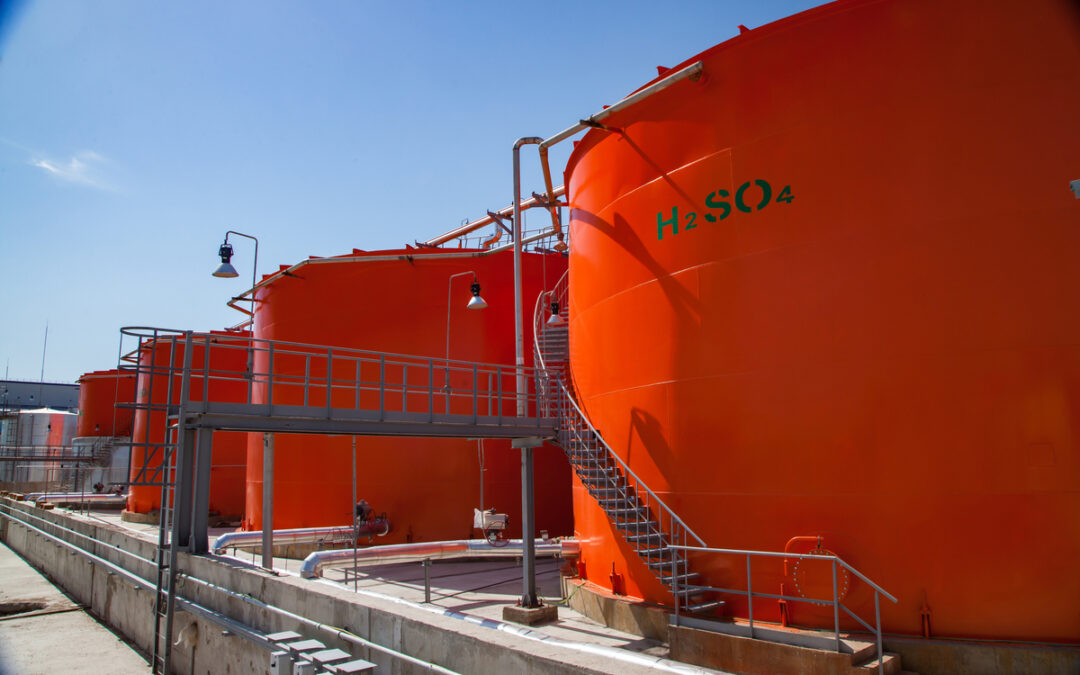
The chemical industry faces unique challenges when it comes to storing and transporting acidic, corrosive materials. Equipment like acid tanks requires a durable, resilient lining that can protect against the harsh effects of aggressive chemicals, and rubber has become a forefront solution.

Why Rubber Lining for Acid Tanks?

Key Features and Benefits:

The chemical industry depends on storage and transport systems that withstand highly corrosive conditions. Acid tanks, specifically, are exposed to harsh chemicals that can quickly erode unprotected metal surfaces, leading to expensive repairs and significant downtime. 

Rubber lining provides a robust, flexible solution that prevents acid tank damage caused by corrosive chemicals. It acts as a buffer between the tank’s metal surface and the chemicals within, shielding the equipment from corrosion and maintaining structural integrity. 

By choosing rubber linings, companies in the chemical industry can save on repair and replacement costs, reduce the risk of leaks or spills, and enhance operational safety.

Learn more about why rubber is the best tank lining material >>

The 5 Best Rubber Lining Materials for Chemical Applications

Not all rubber linings are created equal. Different compounds offer varying levels of protection, depending on the chemical nature of the stored substances. The following are some of the most effective rubber materials used in the chemical industry for acid tank linings:

1. Natural Rubber

Natural rubber is one of the most common choices for rubber linings. It provides excellent abrasion resistance and flexibility. However, it can have limitations with certain aggressive chemicals and is therefore most suitable for mild acid storage tanks where the chemical exposure is less aggressive.

2. Neoprene Rubber

Neoprene is an ideal choice for tanks exposed to moderate acids and alkalis. It is highly resistant to oils, greases, and a wide range of chemicals, making it suitable for multi-purpose use in chemical processing environments. Neoprene also offers good weather resistance, which is beneficial for tanks stored outdoors.

3. Butyl Rubber

Butyl rubber is a high-performance material known for its resistance to concentrated acids like sulfuric and hydrochloric acids. Its low permeability and high resistance to aging and weathering make it a popular option for acid tanks that require enhanced durability and protection.

4. EPDM (Ethylene Propylene Diene Monomer)

EPDM rubber is recognized for its ability to resist heat, UV, and weather exposure, as well as its chemical resistance to mild acids and alkalis. It is particularly useful for tanks and vessels exposed to outdoor environments or subjected to extreme temperature changes. 

5. Chlorobutyl and Bromobutyl Rubbers

Chlorobutyl and bromobutyl rubbers are chemically resistant materials with strong barriers against acids and gases. These rubbers provide excellent impermeability, making them suitable for tanks that contain highly volatile or reactive substances. 

Selecting Your Acid Tank Rubber Lining: What to Consider

While choosing the right rubber lining for your acid tanks, consider the following factors: 

1. Chemical Compatibility

As mentioned above, the type of chemical stored in the tank dictates which rubber lining material is most appropriate. For example, tanks containing highly concentrated acids may require butyl or chlorobutyl linings, while less reactive chemicals might be adequately contained with neoprene or natural rubber linings.

2. Temperature Resistance

High temperatures can degrade certain types of rubber linings over time. It’s essential to select a rubber lining that can endure the temperature conditions of the storage environment. EPDM, for instance, is suitable for applications that require temperature resilience.

3. Abrasion and Physical Wear

In some cases, chemical tanks experience frequent mixing or stirring, which can wear down the lining. A rubber lining with high abrasion resistance, like natural rubber, may be beneficial in these instances.

4. Tank Size and Shape

Larger tanks or those with complex shapes may benefit from a highly flexible, moldable rubber lining material that ensures comprehensive coverage and uniform protection.

5. Lining Thickness

The thickness of the rubber lining plays a critical role in its durability and resistance to wear over time. Thicker linings offer enhanced protection against mechanical abrasion and chemical penetration, making them suitable for tanks exposed to highly aggressive acids or subjected to frequent agitation. 

However, thicker linings may also add to installation time and material costs, so it’s essential to balance thickness with operational demands. For chemical tanks that encounter less intense wear, a thinner lining may suffice, offering flexibility and cost savings without compromising safety.

Your Partner for Chemical-resistant Acid Tank Linings

By choosing the right rubber lining material, you can enhance the durability of your acid tanks, reduce maintenance costs, and ensure safe, reliable storage of hazardous chemicals. If you’re looking for guidance or are ready to get started on a project, get in touch. We can guide you to the best solution that’s tailored to your application’s unique needs and delivers long-lasting protection. 

When and Why Should You Rubber Line Pipes?

When and Why Should You Rubber Line Pipes?

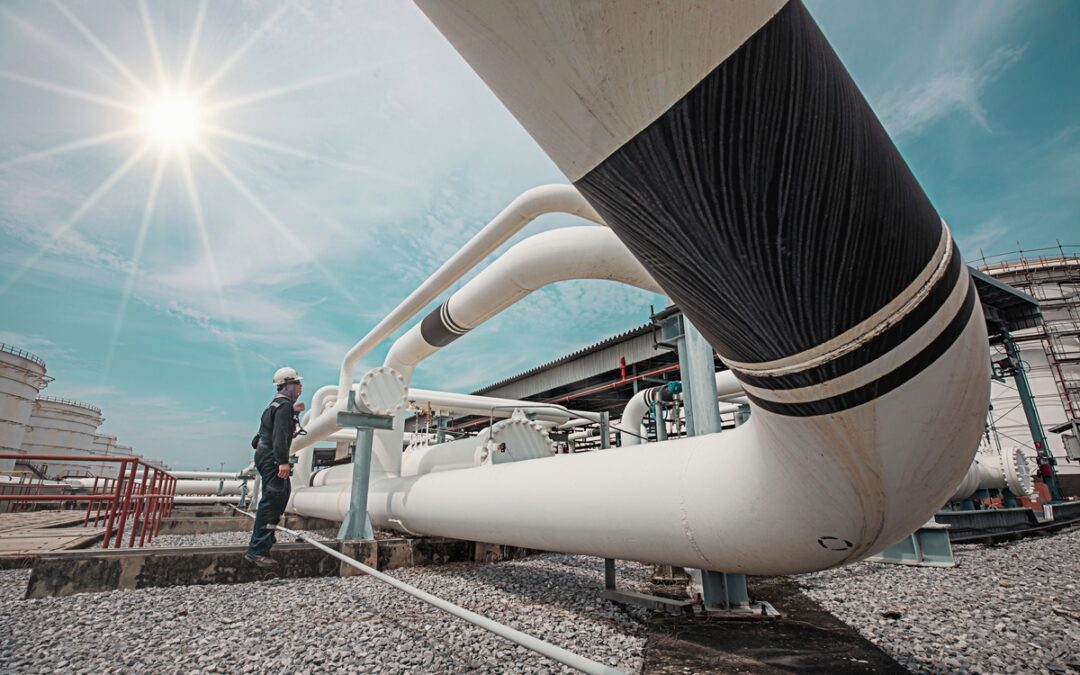
Protecting industrial pipes from corrosion, abrasion, and chemical damage is critical for ensuring efficient and long-lasting operations. In many cases, rubber lining is the most effective material for the job.

Below is an explanation of when and why rubber lining is a solid choice so you can make an informed decision about whether it’s the right protective measure for your application. 

Industries and Applications That Benefit From Rubber-lined Pipes 

Rubber lining is used across numerous industries where the pipes must endure extreme temperatures, corrosion, abrasion, or chemical attacks. Some common ones are:

  • Mining and mineral processing
  • Petrochemical processing
  • Water treatment
  • Power generation and utility systems
  • Pulp and paper production
  • Food and beverage processing
  • Railcar applications
  • Nuclear processes
  • Steel mill operations

Why Rubber Lining? 5 Benefits of Rubber-lined Pipes

Rubber lining pipes for industrial use helps protect equipment, extend its lifespan, and minimize maintenance costs. Rubber-lined pipes add value through: 

1. Chemical Resistance

Rubber provides exceptional resistance to a wide range of chemicals. This feature prevents chemical degradation and corrosion, helping pipes maintain structural integrity in the presence of harsh agents.

2. Abrasion Resistance

Rubber-lined pipes can handle abrasive materials like slurry, sand, and other particulates better than bare metal pipes. This abrasion resistance is crucial for industries like mining, where wear and tear from abrasive materials is constant. Rubber’s elastic nature also absorbs impact better, reducing the chance of damage from collisions or vibrations.

3. Microbiological Resistance

Rubber linings are non-porous, which minimizes microbial growth within pipes — a critical feature for industries such as water treatment and food processing. Certain rubbers are also formulated to resist mold and bacteria growth, maintaining cleaner pipelines and ensuring the purity of transported fluids.

4. Thermal and Impact Resistance

Rubber linings can withstand extreme temperatures and pressures without deforming. This thermal resilience prevents cracking and damage from temperature fluctuations, making rubber-lined pipes well-suited for steam applications in power plants and utility systems.

5. Enhanced Equipment Longevity and Lower Maintenance

By reducing corrosion, abrasion, and impact damage, rubber lining ultimately extends the life of pipes and lowers repair costs. By protecting pipes from the most common causes of wear, companies can decrease downtime and focus maintenance budgets on preventive care instead of reactive repairs.

Common Types of Rubber for Pipe Lining

Selecting the right type of rubber lining depends on what the pipe is used for, where it is used, the materials it will transport, and any relevant industry standards. Some of the most common types used are: 

  • Natural rubber: Best in mining and other industries that transport slurry.
  • Neoprene (Polychloroprene): Best in applications with oils or moderately corrosive chemicals, such as water treatment.
  • EPDM (Ethylene Propylene Diene Monomer): Best in chemical processing and water treatment applications. 
  • Butyl Rubber: Best in chemical processing and whenever pipes need an airtight, resilient lining.
  • Chlorobutyl: Best in high-temperature and high-pressure environments, like power and chemical plants. 

How Thick Should Pipe Rubber Lining Be?

The thickness of rubber lining for industrial pipes can vary depending on the pipe’s intended use, the abrasiveness of the materials being transported, and the expected lifespan of the pipeline. 

Generally, rubber lining for pipes ranges from 1/8 inch to 1/4 inch (3.2 mm to 6.4 mm), but custom applications may require different thicknesses.

  • Light- to medium-duty applications: Pipes handling mild chemicals or low-abrasion materials typically use thinner linings, around 1/8 inch (3.2 mm).
  • Heavy-duty applications: High-abrasion or high-chemical exposure environments, such as mining and chemical processing, may require thicker linings, up to 1/4 inch (6.4 mm) or even more. The added thickness provides greater durability, extending the life of the lining and reducing the frequency of replacement.

Final Considerations Before Implementing Rubber-lined Pipes

When deciding whether to use rubber-lined pipes, consider the following:

Less (but Not Non-existent) Pipe Maintenance Requirements

Rubber-lined pipes require less frequent maintenance, but you (or a licensed rubber lining contractor) will still need to inspect them periodically for any signs of wear or damage.

Cost-Effectiveness

While rubber-lined pipes might have a higher upfront cost, they often result in lower long-term expenses due to reduced repairs and longer service life.

Compatibility with Transported Substances

Ensure that the type of rubber selected is compatible with the materials the pipes will carry. Mismatched linings can lead to premature failure. A certified rubber lining professional can help you make the right choice.

Environmental and Safety Regulations

Some applications require rubber linings that meet specific industry or environmental standards, such as food-grade rubber for food and beverage processing. Again, a professional rubber lining contractor will know what’s best for your industry.

Ready to Rubber Line? Contact Our Team

Investing in rubber lining for industrial pipes ultimately contributes to a safer, more efficient operation, with reduced costs over time and improved industrial equipment protection. With the right rubber-lined pipes in place, you can confidently meet your operational needs while ensuring a stable infrastructure that can withstand the test of time.

To learn more about our rubber lining capabilities at US RUBBER, contact us online.

Water Treatment Tank Design Considerations: Putting Rubber Lining at the Forefront

Water Treatment Tank Design Considerations: Putting Rubber Lining at the Forefront

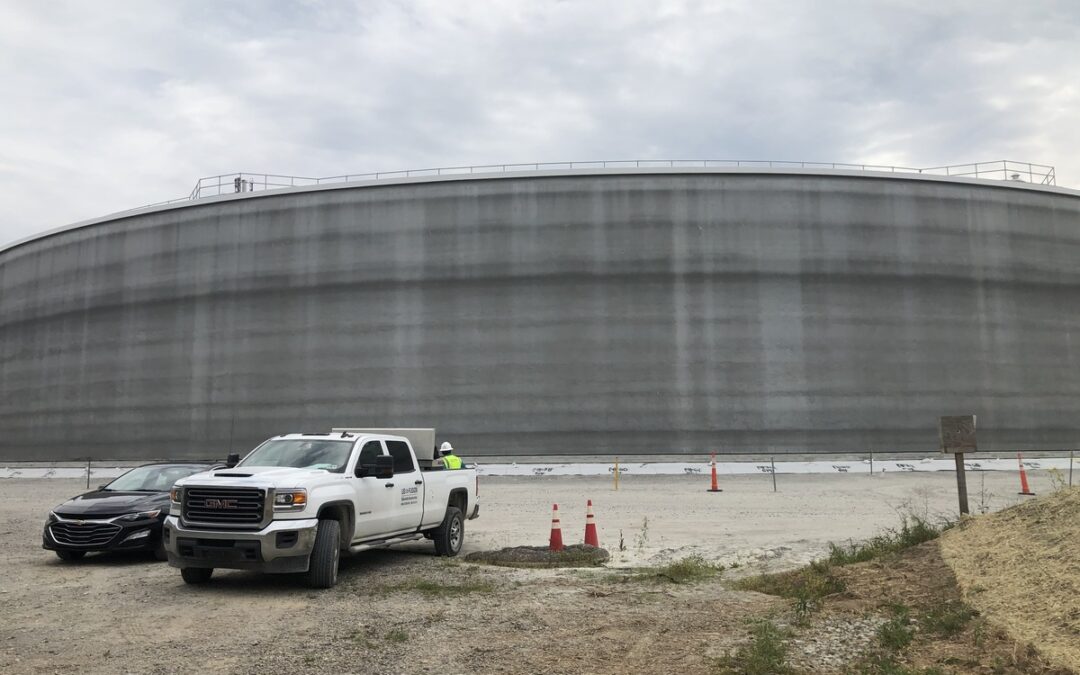
Water treatment plants are essential for ensuring clean and safe water for both industrial and residential use. Designing these facilities involves several critical steps, especially when it comes to the durability and longevity of water treatment tanks. 

A major consideration that is often overlooked in the initial design phase is the type of lining or protective coating applied to the tanks. For most water treatment tanks, rubber lining offers an ideal solution. By putting rubber lining at the forefront of water treatment tank design, facilities can ensure a more robust, safe, and long-lasting system.

The Water Treatment Tank and Plant Design Process

Designing a water treatment tank involves careful planning, starting with an understanding of the tank’s purpose and the specific contaminants or chemicals it will be exposed to. Several factors must be taken into account, such as construction material, tank shape and size, temperature control, and the presence of potential corrosive agents. These elements work together to ensure functionality, safety, and long-term performance.

Here’s a simplified look at the top considerations for water treatment tank design.

1. Define Tank Requirements

The first step in designing a water treatment tank is determining your facility’s needs. This includes the type of water being treated (e.g., potable water, wastewater, or industrial effluent), the chemicals used in the treatment process, and the desired output. 

This information helps with decisions about the tank material and other design parameters.

2. Choose the Right Tank Material

Water treatment tanks can be made from a variety of materials, including steel, concrete, and plastic. Steel is a common choice due to its strength and durability, but it can be susceptible to corrosion over time, especially when exposed to harsh chemicals and varying pH levels. Concrete, while more resistant to corrosion, can be vulnerable to cracking, which can compromise the tank’s integrity.

Talk to an expert for more information on which material best suits your application and environment.

3. Ensure Corrosion Resistance

Water treatment tanks must be designed to withstand corrosive environments, particularly if the water contains chemicals like chlorine or sulfuric acid. Corrosion can lead to tank failure, water contamination, and costly repairs. This is where additional protection, such as rubber lining, becomes critical.

The Role of Rubber Lining in Water Treatment Tanks

Rubber linings have long been used as a protective barrier for tanks, pipes, and other vessels. In the context of water treatment, rubber linings offer several key benefits, particularly in terms of industrial equipment protection. 

Incorporating rubber lining as part of the initial design process, rather than as an afterthought, is a best practice that can extend the lifespan of the vessel and ensure optimal performance. 

Rubber lining provides:

  • Corrosion resistance: By adding rubber lining, the tank is protected from corrosive agents, ensuring its structural integrity and reducing the likelihood of leaks, failures, and costly downtime. 
  • Abrasion resistance: Rubber lining provides excellent protection against water treatment processes that involve sediment or particulate matter. 
  • Flexibility and durability: Rubber lining is not only tough but also flexible. This makes them ideal for absorbing stress caused by temperature fluctuations, pressure changes, or movement within the system.
  • Cost-effectiveness: While the upfront cost of applying a rubber lining may seem significant, the long-term benefits (less maintenance and less risk of failure) outweigh the initial investment. 

Why Rubber Lining Should Be a Forethought, Not an Afterthought

In many cases, the decision to apply a rubber lining is made only after the tank has already been designed and built, often as a reactive measure to corrosion or damage. However, by considering rubber lining applications early in the water treatment tank design process, facilities can avoid many of the common issues that arise from inadequate protection.

Below are three added benefits of considering rubber lining early in the tank design process.

Custom Fit to Design

When rubber lining is planned from the beginning, the lining can be custom-tailored to the tank’s specifications. This ensures optimal coverage and adhesion, preventing gaps or weak points that could otherwise lead to premature failure. Furthermore, custom linings can be engineered to withstand the specific chemicals and conditions present in the facility.

Enhanced Tank Performance

A properly lined tank will maintain its structural integrity for longer periods, withstand aggressive chemicals, and reduce downtime due to maintenance or repairs. This translates into improved operational efficiency and lower overall costs.

Compliance with Industry Standards

The water treatment industry is governed by strict regulations regarding water quality, environmental protection, and operational safety. Incorporating rubber linings into the initial design ensures that the tank meets or exceeds these regulatory requirements. It can also help future-proof your facility against evolving industry standards.

Let Us Help You Protect Your Investments

At US RUBBER, our turnkey rubber lining procurement and installation services feature high-quality materials and best-in-class service. We understand the critical role rubber lining plays in enhancing the performance of water treatment tanks, and we’re here to get the job done — quality, safety, and longevity guaranteed. 

Get started by contacting our team or requesting a quote online.

Best Practices for Rubber Lining Repair: When Is It Necessary & How Is It Done?

Best Practices for Rubber Lining Repair: When Is It Necessary & How Is It Done?

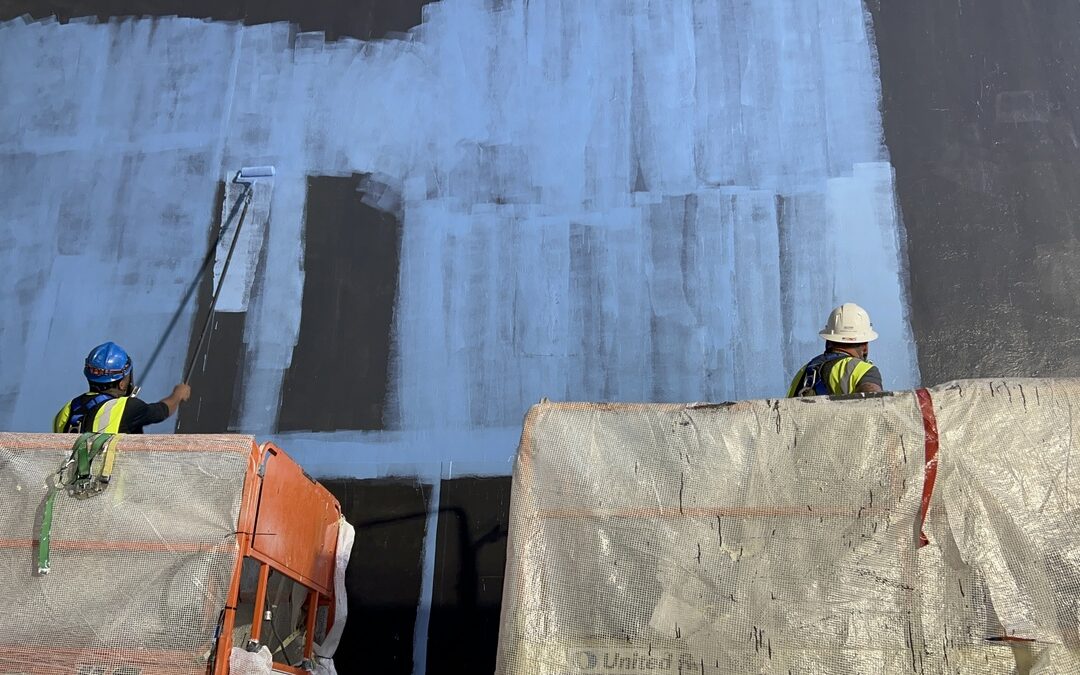
Rubber linings play a critical role in safeguarding industrial equipment like tanks, vessels, and pipes from corrosion, abrasion, and chemical attacks. But over time, even the most durable linings can wear down, leading to potential damage to the equipment they’re meant to protect. 

Knowing when to repair a rubber lining and how to do it effectively can help extend the lifespan of your equipment, reduce costly downtime, and ensure a safe operating environment.

Spotting the Need for Rubber Lining Repair: 5 Signs to Look For

Early detection is the key to preventing minor damage from turning into major issues. Regular inspections should focus on identifying specific signs that indicate the rubber lining requires repair. Here are five of the most common indicators. 

1. Visible Cracks or Blisters

Cracks or blisters in the rubber lining surface are clear warning signs that the lining has deteriorated. These defects can allow corrosive chemicals or abrasive materials to come into contact with the equipment, leading to serious structural damage if left unaddressed. Blisters often form due to trapped air or moisture beneath the surface, while cracks can develop due to aging, chemical exposure, or mechanical stress.

2. Peeling or Delamination

Peeling or delamination occurs when the rubber lining loses adhesion to the substrate. This can happen due to improper application, inadequate surface preparation, or prolonged exposure to harsh chemicals. Delaminated sections can weaken the overall integrity of the lining, making it more susceptible to wear and tear.

3. Softening or Hardening of the Rubber

Rubber that has become excessively soft or hard is a sign of chemical degradation. Softening is typically a result of exposure to aggressive solvents or acids, while hardening may indicate oxidation or exposure to high temperatures. Either condition can reduce the protective qualities of the lining and warrant repair or replacement.

4. Discoloration or Fading

Discoloration can indicate chemical reactions between the rubber and the materials stored or processed in the tank. While slight color changes may not always signal a problem, sudden or patchy discoloration should be inspected closely, as it can point to localized degradation or damage.

5. Unusual Wear Patterns

Uneven wear or localized damage, especially around weld seams, sharp corners, or areas of high turbulence, often signals that the rubber is under too much mechanical stress in those regions. Addressing these problem spots can prevent further damage and improve the lining’s performance.

How Often Should Rubber Lining Be Inspected?

Regular inspections are crucial to maintaining rubber lining’s effectiveness. But how often should they be done? 

The frequency of inspections depends on factors like the type of material stored, the operating conditions, and the age of the lining. Here’s a general rule of thumb:

  • Monthly Inspections: For tanks or vessels containing highly corrosive or abrasive materials, monthly visual inspections are recommended to spot early signs of damage.
  • Quarterly Inspections: For most general-purpose applications, a quarterly inspection is usually sufficient. During these inspections, check for visible defects, changes in the lining’s texture, and any signs of chemical attack.
  • Annual Inspections: A more in-depth annual inspection, including hardness testing and thickness measurements, should be conducted to assess the overall condition of the lining. This will help detect hidden damage that may not be apparent during visual inspections.

If the lining shows significant signs of aging or has undergone several minor repairs, more frequent inspections may be warranted to ensure the integrity of the equipment.

Read more on this topic and ASME’s tank inspection guidelines >>

Common Types of Rubber Lining Repairs & How They’re Done

Once damage has been detected, it’s time to plan the appropriate repair. The specific repair method will depend on the type of defect and the condition of the lining. Below are some of the most common types of rubber lining repairs and how they’re carried out.

Patch Repairs

Patch repairs are suitable for small, localized areas of damage, such as cracks or blisters. When done properly, they can significantly extend the rubber lining’s life. The repair process typically involves the following steps:

  1. Surface Preparation: The damaged area is thoroughly cleaned and abraded to ensure good adhesion of the patch.
  2. Patch Application: A new piece of rubber is cut to size and bonded to the prepared area using a compatible adhesive.
  3. Curing: The patch is cured using heat or chemical methods, depending on the type of rubber lining material used.

Strip and Re-lining

If the damage is widespread or if large sections of the lining have delaminated, a partial strip and re-lining may be necessary. This involves removing the affected areas of the lining, preparing the substrate, and applying a new lining section. 

This type of repair requires skilled technicians to ensure that the new lining bonds correctly and the repair area is seamlessly integrated into the existing lining.

Full Re-lining

When a rubber lining has reached the end of its service life, a full re-lining is often the most practical solution. This process involves completely stripping the old lining, repairing any underlying substrate damage, and installing a new lining. 

Full re-lining is more time-consuming and costly but provides a much-needed fresh start with a lining that offers optimal protection.

Cold Vulcanization Repairs

For specific rubber materials that cannot be heat-cured on-site, cold vulcanization is used. This process involves applying a chemical adhesive to bond the new lining material to the old. Cold vulcanization is ideal for emergency repairs or situations where heat curing is not feasible.

Best Practices for Effective Rubber Lining Repair

To maximize the lifespan of your rubber lining and ensure effective repairs, it’s essential to follow these best practices:

  1. Choose the Right Repair Material: Select rubber lining materials that are compatible with the original lining to ensure proper adhesion and performance. Using inferior materials can lead to premature failure.
  2. Ensure Proper Surface Preparation: Surface preparation is critical to the success of any rubber lining repair. Ensure that the substrate is clean, dry, and free of contaminants before applying new rubber.
  3. Work with Experienced Technicians: Rubber lining repair requires specialized skills and knowledge. Partner with a qualified repair team, like US RUBBER, to ensure that repairs are done correctly and to industry standards.
  4. Implement a Maintenance Plan: Regular maintenance and inspections are key to catching small problems before they become larger issues. Implement a robust rubber maintenance program tailored to your specific operating environment.

Contact Us For Full-service Rubber Lining Capabilities

Rubber lasts a long time, but it doesn’t last forever — especially in industrial applications. Repairs are a necessary part of maintaining its durability and longevity, plus the durability and longevity of the equipment it protects. 

For rubber lining inspections, repairs, installation, and more, get in touch with our team. We’ll help you spot small issues before they turn into large ones so you can keep your operations running smoothly.