Even the highest-performing rubber linings are not immune to degradation. Over time, chemical exposure, temperature fluctuations, and mechanical stress gradually weaken the material, creating vulnerabilities that aren’t always visible from the surface.
Without a proactive approach, facilities can face unexpected failures, costly shutdowns, and safety risks. That’s why regular rubber lining inspection and long-term maintenance planning are essential.
By understanding how lining materials age, recognizing early warning signs, and anticipating when to prepare for repairs or relining, facility managers, plant engineers, and reliability teams can stay ahead of issues—rather than responding to emergencies.
This guide is designed to help you build that proactive plan. It outlines inspection frequency recommendations, key failure indicators, repair strategies, and budgeting considerations so you can protect your operation from unplanned downtime.
What Is the Lifespan of Rubber Lining?
The service life of a rubber lining can vary widely depending on the application, but most industrial systems fall within a predictable range.
- Under typical operating conditions, high-quality rubber linings last 8–15 years.
- In especially aggressive chemical or abrasive environments, that window may shorten to 5–7 years.
- Mild-service applications can see lifespans extending beyond 15 years.
Several factors directly influence how long a lining will perform:
- Chemical Environment – Strong acids, oxidizers, and solvents accelerate degradation.
- Temperature Exposure – Elevated temperatures soften or embrittle rubber, reducing its ability to protect the substrate.
- Mechanical Wear – High-velocity slurry, particulate abrasion, or turbulent flow can erode the lining faster than expected.
- Installation Quality – Proper surface prep, bonding, and curing significantly impact long-term performance.
- Maintenance History – Facilities with routine inspections and minor, timely repairs often extend service life by several years.
Many failures don’t originate from catastrophic events—they develop gradually as the lining reaches the end of its lifecycle. Understanding where your assets fall within these conditions is the first step in building a realistic inspection and budgeting schedule.
What Causes Rubber Lining to Fail?
Understanding how and why failures occur helps maintenance teams identify early warning signs—long before the lining reaches a critical stage.
Common Failure Mechanisms:
- Blistering
Formed by trapped gases, vapor pressure, or chemical permeation beneath the lining. Blisters often indicate early bond failure or chemical incompatibility. - Cracking
Caused by aging, thermal cycling, UV exposure, or flex fatigue. Small cracks allow chemicals or moisture to penetrate, accelerating internal damage. - Softening
Often tied to a chemical attack. Softened rubber loses abrasion resistance and becomes more susceptible to tearing or deformation under load. - Permeation
Certain chemicals (especially solvents or oxidizers) gradually diffuse into the lining, breaking down the polymer structure from the inside out. - Bond Failure
One of the most serious issues that occurs when the adhesive bond between the rubber and substrate weakens. Bond failures can stem from improper surface prep, environmental attack, or simply aging.
Why Failures Often Start Internally
A frequent misconception is that deterioration will always appear on the surface first. In reality, rubber linings often degrade internally long before visible signs emerge.
Chemical permeation, thermal hardening, and bond weakening start beneath the surface—meaning a lining that looks “fine” externally may already be compromised.
This is why scheduled inspections and documented trend analysis are essential.
Surface-only assessments can miss the early stages of internal deterioration, increasing the likelihood of unplanned failures.
How Often Should You Conduct a Rubber Lining Inspection?
Rubber lining performance varies widely by application, which means a one-size-fits-all inspection schedule doesn’t work. To maintain reliability and avoid premature failure, facilities should set inspection frequency based on operating conditions, chemical exposure, abrasion levels, and the criticality of the asset.
Recommended Inspection Intervals by Application:
To help maintenance teams build a predictable schedule, here’s a quick-reference table outlining typical inspection intervals and conditions that warrant increased monitoring:

Industry Best Practices for Inspection Timing:
- Conduct annual comprehensive inspections to assess overall liner condition and track long-term trends.
- Schedule targeted mid-cycle inspections for assets operating in harsh or abrasive environments.
- Perform post-event inspections after chemical switchovers, process upsets, abnormal corrosion readings, or unexpected operating deviations.
Conditions That Require More Frequent Inspection:
Certain conditions accelerate wear and should trigger shorter inspection intervals:
- Abrasive media
- Elevated temperatures
- Aggressive or incompatible chemicals
- UV exposure for above-ground or partially exposed systems
- Prior repairs or known end-of-life indicators
Even one of these factors can shorten a lining’s effective life, making scheduled inspections essential for preventing unplanned shutdowns and more costly corrective repairs.
Rubber Lining Inspection Checklist: What Warning Signs to Look For
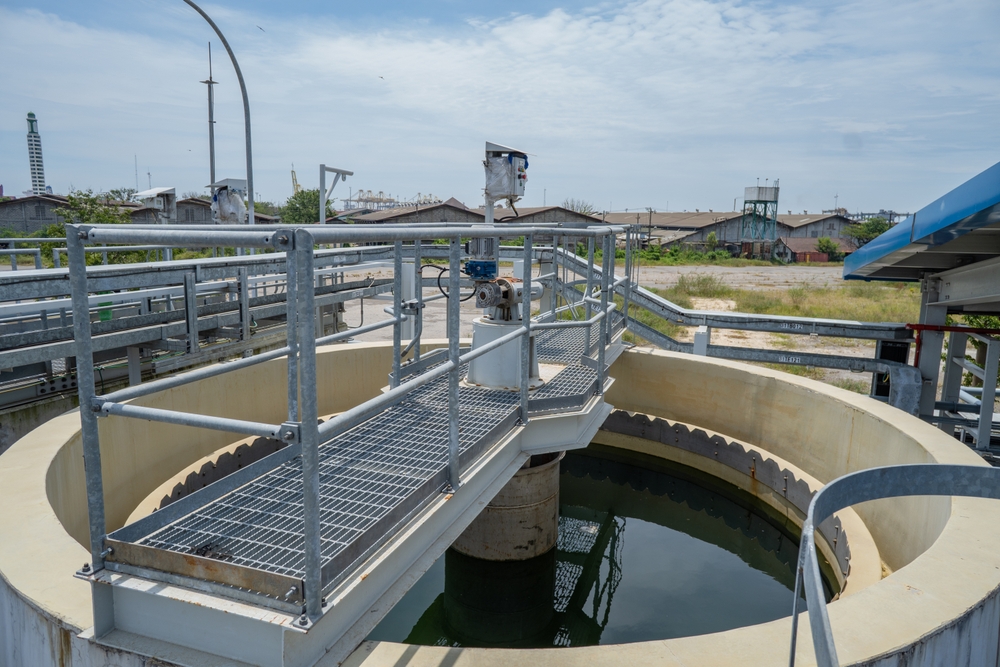
A thorough rubber lining inspection requires more than a quick visual sweep. The following checklist provides a structured guide your team can use during routine inspections.
Visual Indicators
- Surface Wear – Smooth, polished, or thinned areas indicating abrasion.
- Discoloration – Chemical attack or early oxidation may cause fading, darkening, or uneven coloration.
- Glaze Loss – A dull surface finish can signal chemical or thermal breakdown.
- Cracking – Fine surface cracks (crazing) or deeper fissures that may penetrate the lining.
- Edge-Lifting – Peeling or raised edges that expose the substrate to corrosion.
Mechanical Indicators
- Soft Spots – Areas that compress easily under pressure, suggesting plasticization or chemical softening.
- Hardness Reduction – A noticeable loss of durometer hardness indicates aging or chemical permeation.
- Blistering or Bubbling – Trapped gas or vapor permeation that compromises adhesion and structural integrity.
Bonding and Adhesion Failures
- Separation from the Substrate – Loss of adhesion that allows moisture or chemicals to accumulate behind the lining.
- Voids or Hollow-Sounding Areas – Audible delamination when tapped with a hammer or spark tester.
- Widespread Debonding – Significant adhesion failure that often requires full relining.
Chemical Degradation Indicators
- Swelling or Expansion – Rubber absorbing chemicals and losing dimensional stability.
- Embrittlement – Stiff or brittle sections that crack easily.
- Tackiness or Surface Softening – Indicative of polymer breakdown or solvent attack.
- Unusual Odors – Strong smell from degraded rubber or chemical permeation.
Operational Warning Signs
- Unexpected Corrosion Readings – Higher-than-normal corrosion rates indicating lining failure.
- Leaks or Damp Spots – Early-stage breaches that must be addressed immediately.
- Pressure Drops or Flow Issues – Potential internal delamination or material obstruction.
- Product Contamination – In process applications, contamination can signal chemical incompatibility or lining decay.
When to Consider Rubber Lining Repair vs. Full Relining
Not every issue discovered during a rubber lining inspection requires a complete overhaul. In many cases, targeted repairs can extend the system’s life and help facilities avoid unnecessary downtime.
However, some failures indicate that the lining has reached the end of its useful life. The key is knowing when a repair is appropriate and when total replacement is the smarter, more cost-effective choice.
Repair vs. Full Relining: Quick Comparison

Cost and Operational Considerations
Choosing between repair and replacement isn’t just about the material condition; it’s also about balancing cost, uptime, and risk.
- Downtime: Full relining requires more extended outages but minimizes future disruptions.
- Safety: Aging linings increase the risk of leaks and failures, especially in chemical service.
- Asset Lifespan: Replacement delivers the longest-term value.
- Process Continuity: Repairs offer short-term relief but may not prevent future shutdowns.
Understanding these trade-offs helps facility teams make informed decisions before a minor issue becomes a major emergency.
Building a Proactive Maintenance & Budgeting Plan
A strategic rubber lining maintenance plan allows facilities to reduce risk, avoid emergency shutdowns, and forecast capital needs with greater accuracy.
Establishing an Effective Inspection Schedule
A reliable inspection schedule should reflect how each asset actually operates, not an arbitrary interval. The key is to assess the environmental, mechanical, and chemical conditions that influence rubber lining performance:
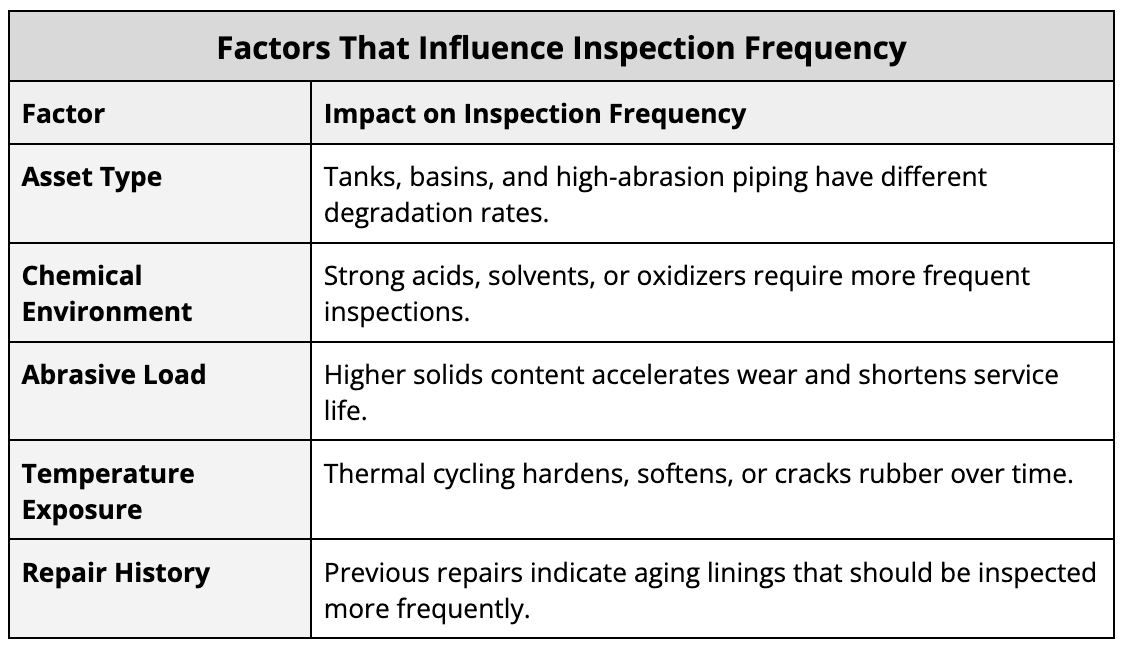
Using these variables, facilities can tailor their inspection schedule so that high-risk assets receive priority attention.
Using Trend Data to Predict Relining Windows
Routine inspections generate valuable condition data. Tracking this information over time helps teams:
- Identify progressive deterioration (softening, cracking, blistering)
- Spot recurring issues that indicate end-of-life conditions
- Establish which assets require attention first
- Plan for relining during controlled outages rather than emergency downtime
Trend analysis transforms maintenance from a reactive to a predictive approach, improving both safety and budget planning.
Budget Planning Considerations
A proactive budget accounts for both routine maintenance and future capital investment. The table below simplifies the core budgeting components facilities should consider.
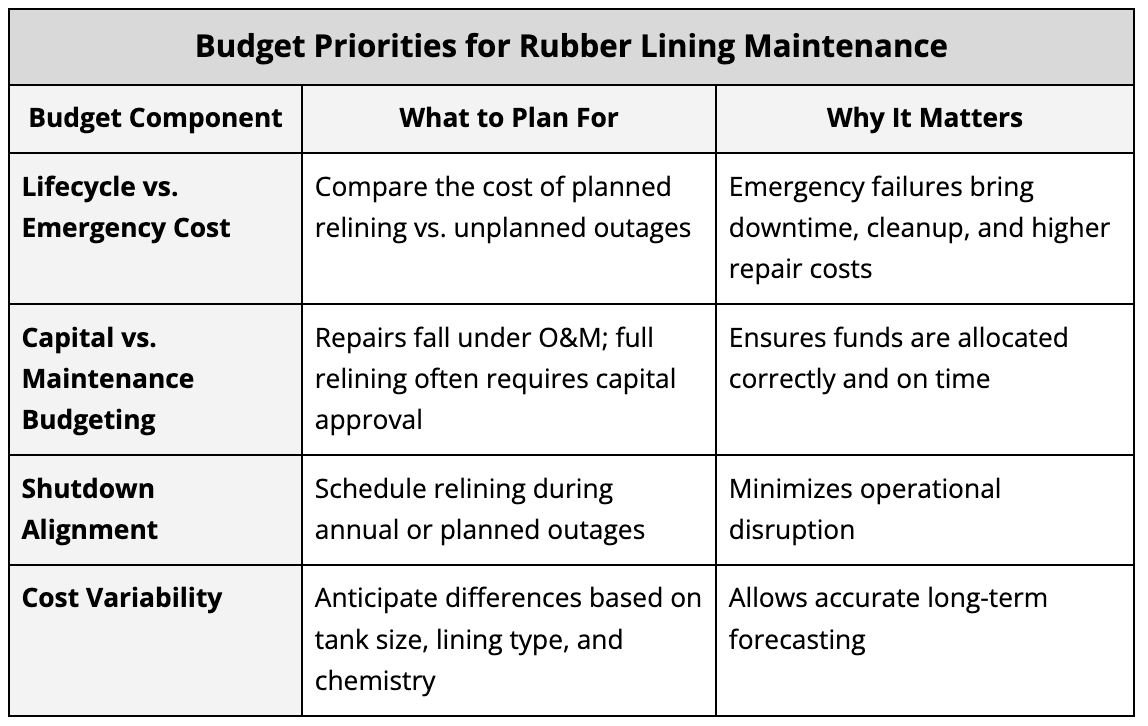
Proactive Planning Framework
To bring the inspection and budgeting process together, the following table provides an at-a-glance planning framework:

How US RUBBER Supports Long-Term Rubber Lining Performance
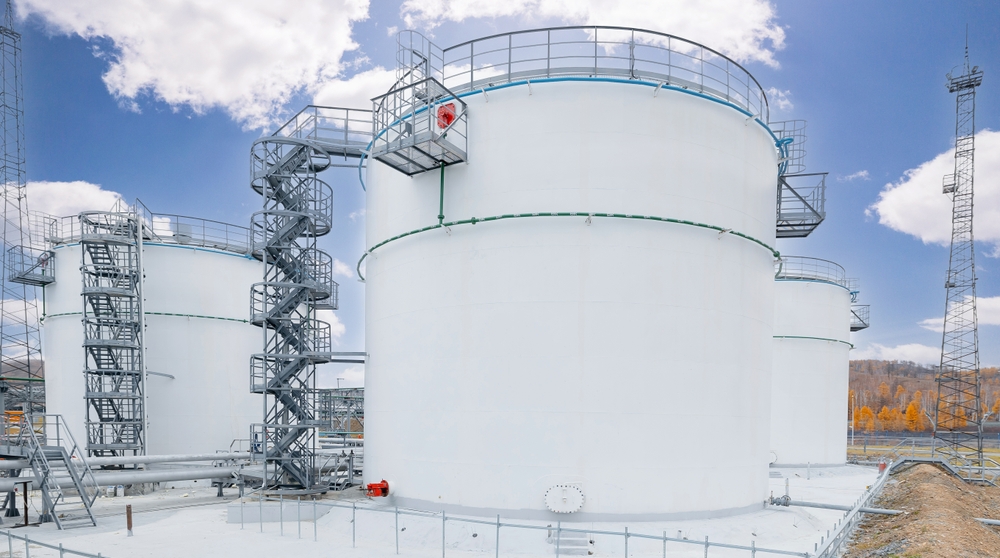
US RUBBER provides comprehensive lining expertise across inspection, installation, repair, and full relining—helping facilities maintain asset integrity, control costs, and avoid unplanned downtime.
The Value of Working With Certified Rubber Lining Specialists
Partnering with experienced lining and fusion professionals ensures:
- Accurate inspections grounded in industry codes and best practices
- Early identification of subtle or hidden failure mechanisms
- Proper selection of lining materials for chemical and thermal environments
- Precision installation that maximizes service life
- More accurate project timelines and cost estimates
A certified partner helps extend asset life, improve long-term reliability, and reduce total cost of ownership through predictable, well-planned maintenance strategies.
US RUBBER Reliable Repair and Relining Services
Whether damage is localized or widespread, US RUBBER provides the expertise to restore asset integrity:
- Patch repairs for small, contained defects
- Sectional replacements for localized wear
- Full relining for end-of-life or chemically compromised systems
Our team works quickly and safely to minimize downtime without compromising quality.
Do You Want To Protect Your Assets With a Strong Rubber Lining Plan?
The earlier issues are identified, the more flexibility you have in scheduling work, controlling costs, and protecting downstream processes.
Ready to strengthen your maintenance program?
Contact US RUBBER to schedule a professional rubber lining inspection or to discuss repair and relining options tailored to your facility.