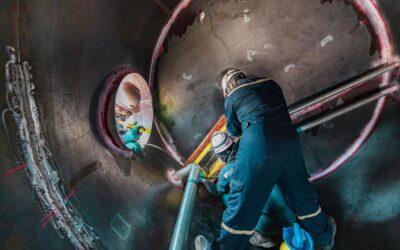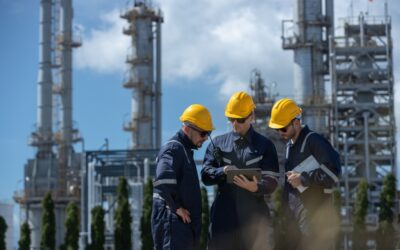
Water treatment tanks operate in some of the harshest industrial environments. From constant chemical exposure to abrasive sludge and round-the-clock immersion, these assets are under continuous attack.
Without proper protection, water treatment tanks and clarifiers are prone to premature corrosion, structural degradation, and costly unplanned downtime.
For municipal and industrial facilities tasked with maintaining uptime, regulatory compliance, and long service life, rubber lining isn’t optional—it’s a critical asset-preservation strategy.
What protects water treatment tanks from corrosion and chemical damage?
Rubber lining protects water treatment tanks by forming a chemically resistant, abrasion-resistant barrier that shields steel and concrete from wastewater, sludge, and treatment chemicals. This extends service life, reduces downtime, and supports regulatory compliance.
This bonded protective layer isolates the substrate from aggressive operating conditions that traditional coatings often can’t withstand in the long term.
The Unique Challenges Facing Water Treatment Tanks and Clarifiers
Water and wastewater facilities present a combination of stressors that accelerate failure in unprotected tanks, including:
Continuous Chemical Exposure
- Chlorine, acids, caustics, and disinfectants attack bare steel and concrete
- Chemical splash zones cause localized degradation and early failure
Abrasion From Sludge and Solids
- Grit, sand, and suspended solids erode surfaces over time
- Clarifiers and digesters are especially vulnerable to wear
Constant Moisture and Oxygen Exposure
- Continuous immersion creates ideal corrosion conditions
- Small coating failures can rapidly spread beneath the surface
Over time, these factors lead to leaks, structural damage, and increasingly frequent shutdowns.
Where Does Rubber Lining Make the Biggest Impact in Water Treatment Facilities?
Rubber lining is most effective in areas exposed to continuous immersion, abrasion, and aggressive chemistry. Examples of such environments include:
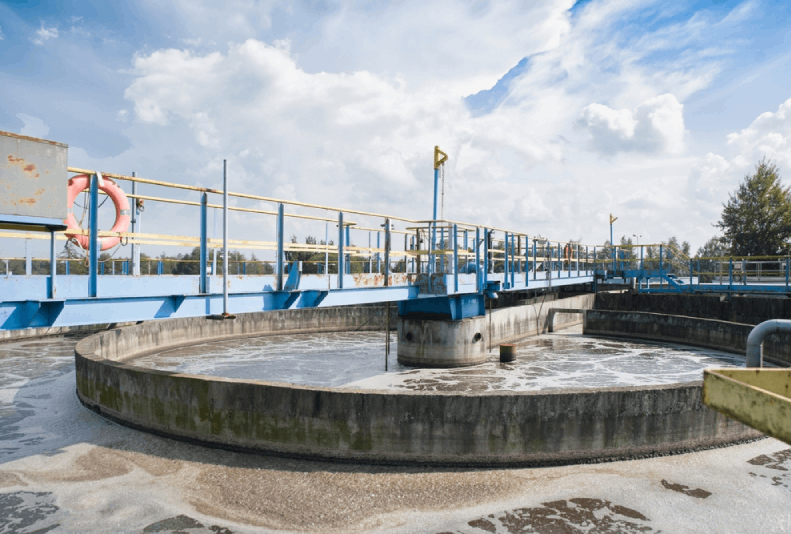
Clarifiers
- Protects against sludge abrasion
- Shields the waterline and rake zones from corrosion
- Extends operational life while reducing maintenance shutdowns
Aeration Tanks
- Protects steel and concrete from biological activity
- Resists chemical dosing exposure
- Maintains integrity in continuously wet environments
Digesters
- Withstands aggressive byproducts and elevated temperatures
- Prevents corrosion that can compromise pressure containment
Chemical Storage and Dosing Tanks
- Provides chemical-specific resistance
- Prevents leaks, contamination, and compliance violations
How Rubber Lining Outperforms Coatings in Water Treatment Applications
While coatings may offer short-term protection, rubber lining is engineered for long-term immersion and mechanical stress.
|
Performance Factor |
Rubber Lining |
Traditional Coatings |
|
Chemical resistance |
Formulated for harsh treatment chemicals |
Limited resistance; prone to breakdown |
|
Abrasion resistance |
Handles constant solids and slurry contact |
Wears quickly in high-abrasion zones |
|
Adhesion under immersion |
Bonded to resist under-film corrosion |
Prone to blistering and peeling |
|
Service life |
Designed for decades of use |
Often requires frequent recoating |
How Does Rubber Lining Extend Service Life and Reduce Downtime?
Properly installed rubber lining protects structural assets from irreversible damage, allowing facilities to move from reactive repairs to proactive maintenance.
Rubber lining helps facilities:
- Minimize emergency repairs and unplanned outages
- Extend tank replacement cycles
- Reduce total lifecycle costs
- Schedule maintenance with confidence
For facilities operating under tight budgets and regulatory scrutiny, fewer failures mean fewer disruptions.
How To Choose the Right Rubber Lining for Water Treatment Tanks
Not all rubber linings are the same. Selecting the right system depends on operating conditions—not guesswork.
Key factors to consider:
- Chemical exposure profile
- Operating temperature ranges
- Severity of abrasion
- Substrate type (steel vs. concrete)
Why Application Expertise Matters:
- Proper surface preparation is critical
- Incorrect installation shortens lining lifespan
- Experienced application reduces long-term risk
Rubber lining performance depends as much on how it’s applied as what material is used.
Water Treatment Tanks FAQs
Q. How long does rubber lining last in water treatment tanks?
A. Properly installed rubber lining can last decades, depending on chemical exposure, abrasion, and operating conditions.
Q. Is rubber lining suitable for both steel and concrete tanks?
A. Yes. Rubber lining can be applied to both steel and concrete substrates with proper surface preparation.
Q. Can rubber lining be customized for specific chemicals?
A. Yes. Rubber formulations can be selected based on specific chemical resistance requirements.
Why Water Treatment Facilities Partner With US RUBBER
Water treatment infrastructure doesn’t allow for shortcuts. Facilities partner with US RUBBER because they understand real-world operating conditions and design solutions around long-term performance.
US RUBBER focuses on:
- Proven expertise in water and wastewater environments
- Custom rubber lining systems matched to chemical and mechanical demands
- Long-term durability—not temporary fixes
- Protecting critical infrastructure that can’t afford failure
US Rubber doesn’t just line tanks—we help protect the systems communities and industries rely on every day.
Protect Your Water Treatment Tanks With US Rubber
When failure isn’t an option, protection matters.
Contact US RUBBER to discuss rubber lining solutions designed for your water treatment tanks and clarifiers.